Ultra Modern Outdoor Furniture A Style Guide

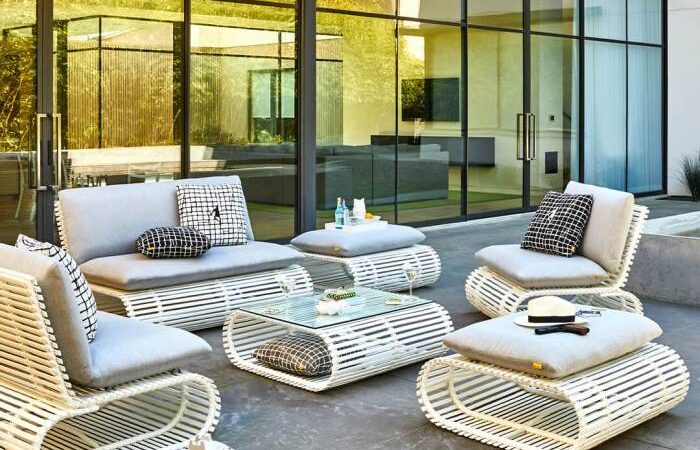
Ultra-modern outdoor furniture redefines outdoor living. Forget clunky wicker and faded plastic; this is about sleek lines, innovative materials, and a design aesthetic that seamlessly blends indoor sophistication with the beauty of the outdoors. We’ll explore the key characteristics, design trends, and practical considerations of this exciting furniture category, helping you create your stunning outdoor oasis.
This guide delves into the world of ultra-modern outdoor furniture, covering everything from defining its unique style and exploring popular design elements to understanding the materials, manufacturing processes, and maintenance involved. We’ll also look at leading brands, iconic designs, and how to best integrate this furniture into various outdoor spaces to maximize its impact and create a truly modern and functional outdoor environment.
Defining “Ultra Modern Outdoor Furniture”
Ultra-modern outdoor furniture represents a distinct aesthetic within the broader landscape of contemporary design. It’s characterized by a clean, minimalist approach, prioritizing functionality and sleek lines above all else. This style often incorporates innovative materials and manufacturing techniques, resulting in pieces that are both visually striking and highly durable.
Ultra-modern outdoor furniture stands apart from other contemporary styles through its unwavering commitment to geometric forms and a lack of ornamentation. While mid-century modern might feature organic curves and warmer tones, ultra-modern pieces typically favor sharp angles, straight lines, and a restrained color palette. Think less “rustic chic” and more “futuristic minimalist.”
Aesthetic Characteristics of Ultra-Modern Outdoor Furniture
The key aesthetic characteristics are its clean lines, minimalist design, and often monochromatic color schemes. Think sleek, geometric shapes, often incorporating metallic accents or high-gloss finishes. The overall effect is one of sophisticated simplicity and understated elegance. Materials are chosen for their inherent beauty and ability to withstand the elements, avoiding unnecessary embellishments or decorative flourishes.
Materials Commonly Used
A wide range of materials are used, chosen for their durability and resistance to weathering. Aluminum, steel, and concrete are frequently employed for their strength and longevity. High-performance fabrics, such as Sunbrella, are common for upholstery due to their resistance to fading and mildew. Glass and sustainably sourced wood are also sometimes incorporated, but always in a manner consistent with the overall minimalist aesthetic. The selection often prioritizes low-maintenance, high-performance materials suitable for outdoor environments.
Comparison with Other Contemporary Styles
Unlike traditional outdoor furniture styles that might embrace ornate details or rustic materials, ultra-modern pieces are characterized by their streamlined silhouettes and lack of ornamentation. While mid-century modern furniture might incorporate organic shapes and warmer wood tones, ultra-modern designs are decidedly more angular and often feature cooler, more neutral color palettes. Industrial-style outdoor furniture, with its emphasis on exposed metal and raw materials, shares some similarities in its focus on functionality, but ultra-modern designs are typically more refined and less overtly industrial.
Typical Price Range
The price range for ultra-modern outdoor furniture can vary significantly depending on the materials used, the complexity of the design, and the brand. However, it generally sits at the higher end of the market. Expect to pay several hundred dollars for individual pieces, with complete sets often costing thousands. High-end designer pieces can command significantly higher prices, reflecting the use of premium materials and sophisticated manufacturing techniques. For example, a single high-end aluminum and glass lounge chair might cost upwards of $1,500, while a complete dining set could easily exceed $5,000.
Design Elements and Trends
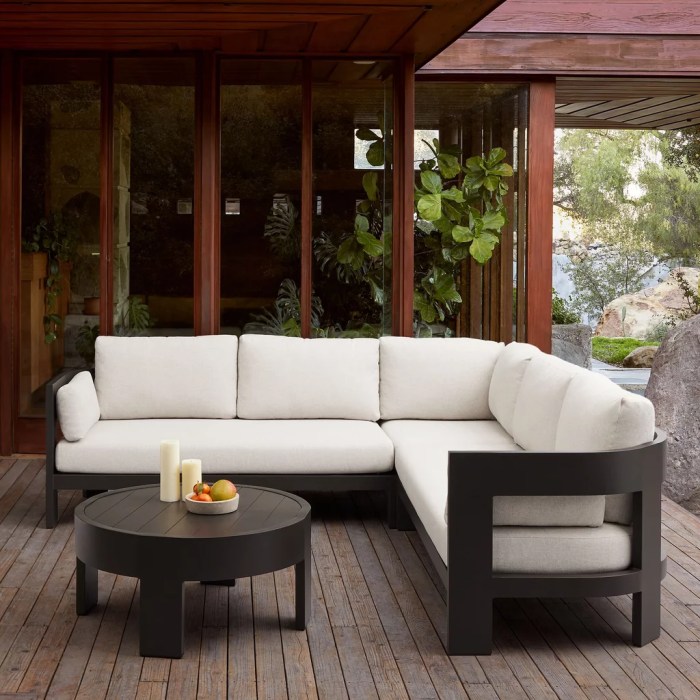
Source: popsugar-assets.com
Ultra-modern outdoor furniture seamlessly blends sophisticated aesthetics with practical functionality, creating spaces that are both stylish and comfortable. Key design elements reflect current trends in architecture and interior design, resulting in pieces that are both striking and enduring.
Several factors contribute to the overall look and feel of ultra-modern outdoor furniture. These elements work together to create a cohesive and contemporary design language.
Color Palettes
Neutral and earthy tones dominate ultra-modern outdoor furniture color palettes. Think sophisticated grays, deep charcoal blacks, creamy whites, and natural wood finishes. These colors provide a sense of calm and sophistication, allowing the furniture’s clean lines and forms to take center stage. Accents of bolder colors, such as muted greens, blues, or even a pop of terracotta, can be strategically incorporated to add visual interest without overwhelming the overall minimalist aesthetic. For example, a set of charcoal gray sofas might be complemented by teal cushions, creating a subtle yet stylish contrast.
Minimalist Design
Minimalism is a cornerstone of ultra-modern outdoor design. Clean lines, simple shapes, and a lack of unnecessary ornamentation are characteristic features. The focus is on functionality and form, with each element serving a purpose. This approach creates a sense of spaciousness and openness, ideal for outdoor settings. A minimalist design doesn’t mean boring; instead, it allows the quality of materials and the furniture’s overall silhouette to shine. For instance, a minimalist lounge chair might be crafted from a single piece of elegantly curved aluminum, showcasing the material’s beauty and the designer’s skill.
Innovative Design Features, Ultra modern outdoor furniture
Modern technology and innovative design solutions are increasingly integrated into ultra-modern outdoor furniture. Integrated lighting, for example, can transform an outdoor space in the evening. Subtle LED strips built into the furniture’s framework or within the base of a table provide ambient illumination. Hidden storage compartments are another clever feature, allowing for the discreet storage of cushions, blankets, or other outdoor essentials. Some pieces even incorporate weather-resistant power outlets for charging devices. These features not only enhance functionality but also contribute to the furniture’s sleek and streamlined appearance.
Functionality Comparison
| Furniture Piece | Material | Key Features | Typical Use |
|---|---|---|---|
| Lounge Chair | Aluminum, woven synthetic fiber | Ergonomic design, weather resistance, optional integrated lighting | Relaxation, individual seating |
| Sectional Sofa | Powder-coated steel, weather-resistant fabric | Modular design, hidden storage, deep seating | Conversation, lounging, larger gatherings |
| Coffee Table | Concrete, tempered glass | Durable, weatherproof, easy to clean | Surface for drinks, accessories |
| Dining Table | Teak wood, stainless steel | Extendable design, ample seating capacity | Outdoor dining, entertaining |
Materials and Sustainability
Ultra-modern outdoor furniture prioritizes both aesthetic appeal and environmental responsibility. The materials chosen significantly impact the furniture’s lifespan, maintenance requirements, and overall environmental footprint. Understanding the properties of different materials and embracing sustainable practices are crucial for creating stylish and eco-conscious designs.
Material Properties: Pros and Cons
Choosing the right materials is paramount for ultra-modern outdoor furniture. Different materials offer unique advantages and disadvantages concerning durability, maintenance, and environmental impact. The following table summarizes the key characteristics of commonly used materials.
| Material | Pros | Cons |
|---|---|---|
| Aluminum | Lightweight, rust-resistant, durable, recyclable | Can dent, may require powder coating for weather protection |
| Steel | Strong, durable, versatile | Susceptible to rust without proper treatment, heavier than aluminum |
| Wrought Iron | Extremely durable, visually striking | Heavy, requires regular maintenance to prevent rust, expensive |
| Concrete | Durable, weather-resistant, visually striking | Heavy, difficult to move, can crack under extreme stress |
| Wood (Teak, Ipe, etc.) | Naturally beautiful, and durable (depending on the type), can be treated for weather resistance. | Requires regular maintenance (oil, cleaning), can be expensive, susceptible to rot if not properly treated |
| High-Density Polyethylene (HDPE) | Recyclable, weather-resistant, low maintenance, durable | Can fade in direct sunlight over time, and may not have the same aesthetic appeal as natural materials |
| Glass | Elegant, sleek, weather-resistant (tempered glass) | Can break, requires careful handling, can be heavy |
| Rattan/Wicker (Synthetic) | Lightweight, comfortable, weather-resistant (synthetic versions) | Can fade or become brittle over time (depending on quality and UV resistance), and may require more frequent cleaning |
Sustainable Materials and Manufacturing
The increasing demand for eco-friendly products drives innovation in sustainable material sourcing and manufacturing processes. Several strategies minimize the environmental impact of ultra-modern outdoor furniture production.
- Recycled Materials: Using recycled aluminum, steel, and HDPE reduces reliance on virgin materials and minimizes landfill waste. Many manufacturers now incorporate significant percentages of recycled content in their products.
- Sustainable Wood Sourcing: Choosing wood from responsibly managed forests, certified by organizations like the Forest Stewardship Council (FSC), ensures sustainable harvesting practices and protects biodiversity.
- Bio-based Materials: Materials derived from renewable resources, such as bamboo or recycled plastic lumber, offer eco-friendly alternatives to traditional materials.
- Reduced Carbon Footprint Manufacturing: Employing energy-efficient manufacturing processes, reducing transportation distances, and optimizing packaging can significantly lower the carbon footprint of furniture production.
- Durability and Longevity: Creating furniture designed for long-term use reduces the need for frequent replacements, minimizing resource consumption over the product’s lifecycle.
Durability and Weather Resistance
Outdoor furniture faces harsh weather conditions, requiring materials with excellent durability and weather resistance. Proper material selection and finishing are crucial for longevity. For instance, powder-coated aluminum resists rust and corrosion, while teak wood’s natural oils provide inherent weather resistance, although regular maintenance extends its lifespan significantly. Synthetic wicker and HDPE are also designed for high weather resistance, minimizing maintenance needs.
Furniture Lifecycle Infographic
Imagine a simple infographic showing the lifecycle of an ultra-modern HDPE outdoor chair. The first stage depicts the recycling of plastic bottles to create the HDPE material. The second stage illustrates the manufacturing process, showing the molding and assembly of the chair. The third stage depicts the chair in use, highlighting its weather resistance and durability. Finally, the fourth stage shows the chair at the end of its life, being recycled again, completing the closed-loop system. The infographic uses clear visuals and concise text to communicate the chair’s sustainable lifecycle.
Manufacturing and Production
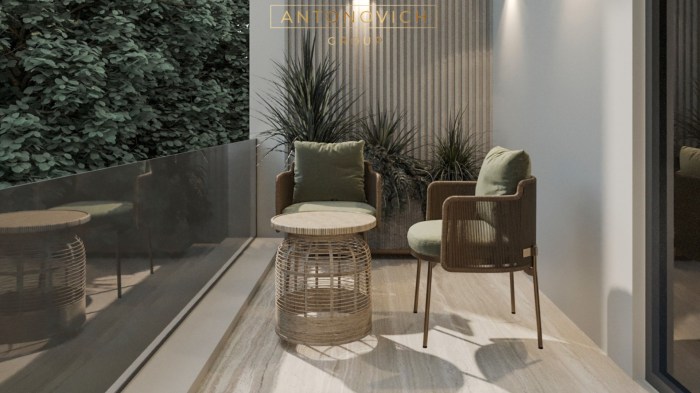
Source: antonovich-design.ae
Creating ultra-modern outdoor furniture involves a sophisticated interplay of design, material selection, and manufacturing processes. The final product’s durability, aesthetic appeal, and sustainability are all directly influenced by the manufacturing techniques employed. Different materials require distinct production methods, and technological advancements continuously reshape the industry.
The manufacturing techniques used vary significantly depending on the materials and the desired design complexity. For instance, metal furniture often involves processes like casting, forging, welding, and powder coating, while wood furniture might use techniques such as CNC routing, bending, and joinery. Plastic furniture frequently relies on injection molding or rotational molding. Each process has its advantages and disadvantages in terms of cost, efficiency, and the final product’s characteristics.
Manufacturing Techniques for Different Materials
Metal furniture production often starts with raw materials like aluminum or steel. These are then shaped through processes like casting (pouring molten metal into molds), forging (shaping metal using pressure), or extrusion (forcing metal through a die). Welding joins individual components, and powder coating provides a durable, weather-resistant finish. Aluminum, known for its lightweight yet strong properties, is particularly popular for outdoor furniture due to its corrosion resistance. Steel, while heavier, offers superior strength and can be easily welded.
Wood, a classic material for outdoor furniture, requires different processes. High-quality hardwoods are typically chosen for their durability and weather resistance. CNC (Computer Numerical Control) routing allows for precise cutting and shaping of complex designs. Traditional joinery techniques, like mortise and tenon joints, ensure strong and lasting connections. To enhance weather resistance, wood is often treated with specialized oils, stains, or sealants. Teak and cedar are popular choices due to their natural resistance to rot and decay.
Plastic furniture often utilizes injection molding or rotational molding. Injection molding involves injecting molten plastic into a mold under high pressure, creating intricate shapes efficiently. Rotational molding is suited for larger, hollow pieces, where plastic is heated and rotated within a mold until it evenly coats the inside. Plastic offers a low-cost, versatile option, but its durability and environmental impact need careful consideration. Recycled plastics are becoming increasingly common in sustainable furniture production.
The Role of Technology in Ultra-Modern Design
Technology plays a crucial role in creating ultra-modern outdoor furniture designs. Computer-aided design (CAD) software allows designers to create intricate and complex shapes that would be impossible to achieve manually. CNC machining ensures precise and consistent production of these designs, minimizing waste and maximizing efficiency. 3D printing is emerging as a tool for prototyping and even limited production, allowing for greater design freedom and customization. Robotics and automation are also being integrated into manufacturing processes to improve efficiency and reduce labor costs.
Production Steps for an Ultra-Modern Outdoor Chair
The following steps illustrate the production process for a specific ultra-modern outdoor chair made from aluminum:
- Design and CAD Modeling: The chair’s design is created using CAD software, detailing all dimensions and specifications.
- Aluminum Extrusion: Aluminum billets are extruded into the required profiles for the chair’s legs, frame, and other components.
- CNC Machining: CNC machines precisely cut and shape the extruded aluminum profiles to the final dimensions and add intricate details.
- Welding: Individual components are welded together to form the chair’s structure, ensuring strength and durability.
- Surface Finishing: The welded aluminum is then polished and prepared for powder coating.
- Powder Coating: A durable, weather-resistant powder coating is applied to protect the aluminum from corrosion and enhance the chair’s aesthetic appeal.
- Quality Control: The finished chairs undergo rigorous quality control checks to ensure they meet design specifications and quality standards.
- Packaging and Distribution: The chairs are packaged for transport and distributed to retailers or customers.
Popular Brands and Designers: Ultra Modern Outdoor Furniture
The world of ultra-modern outdoor furniture boasts a constellation of brands and designers pushing the boundaries of style and innovation. These companies and individuals are not only shaping current trends but also defining the future of how we interact with and experience outdoor spaces. Their designs reflect a commitment to minimalist aesthetics, sustainable materials, and cutting-edge manufacturing techniques. Understanding their approaches provides valuable insight into the overall landscape of this design niche.
Several key players consistently deliver high-quality, innovative pieces that redefine outdoor living. Their design philosophies, often reflected in their material choices and manufacturing processes, differentiate them within the market and appeal to diverse tastes. Examining these differences highlights the spectrum of styles available within the ultra-modern aesthetic.
Leading Brands in Ultra-Modern Outdoor Furniture
The following brands are recognized for their contributions to the ultra-modern outdoor furniture market. Their commitment to quality, innovation, and design excellence has established them as leaders in the field. Each brand possesses a unique design language, reflecting its design philosophies.
- Paola Lenti: Known for its sophisticated use of high-quality materials and meticulous craftsmanship, Paola Lenti often features woven textiles and modular designs, creating a sense of airy elegance.
- Roda: Roda blends contemporary Italian design with durable materials, creating pieces that are both stylish and practical for outdoor use. Their collections often incorporate sleek lines and a minimalist aesthetic.
- Kettal: This Spanish brand is celebrated for its collaborations with renowned designers, resulting in a diverse portfolio of ultra-modern pieces. Kettal often utilizes sustainable materials and innovative manufacturing techniques.
- Herman Miller (Outdoor Collection): While primarily known for indoor furniture, Herman Miller’s outdoor collection seamlessly extends its commitment to ergonomic design and high-quality materials to outdoor settings.
Iconic Designs and Their Designers
Several designs have achieved iconic status within the ultra-modern outdoor furniture landscape. These pieces often exemplify the key characteristics of the style, including clean lines, innovative materials, and a focus on functionality.
- The “Swing” by Patricia Urquiola for Kettal: This iconic piece features a gently curved frame and a comfortable woven seat, creating a relaxed and stylish outdoor seating option. Its organic form contrasts beautifully with its modern materials.
- Various pieces by Ronan and Erwan Bouroullec for various brands: The Bouroullec brothers are renowned for their minimalist designs, often characterized by simple forms and innovative material applications. Their outdoor furniture frequently incorporates subtle details and unexpected textures.
- “Net” Collection by Patricia Urquiola for Paola Lenti: This collection showcases Urquiola’s mastery of woven materials, creating elegant and airy furniture pieces that blend seamlessly into outdoor environments. The intricate weaving adds a layer of visual interest while maintaining a sense of lightness.
Comparative Analysis of Design Philosophies
Three prominent brands exemplify different approaches within the ultra-modern aesthetic.
Paola Lenti prioritizes craftsmanship and the luxurious feel of high-quality materials, often featuring intricate weaving techniques and natural fibers. Their designs are characterized by sophisticated elegance and a timeless appeal. Roda, on the other hand, emphasizes practicality and durability alongside modern design. Their pieces often feature weather-resistant materials and modular designs that cater to diverse needs. Finally, Kettal embraces collaboration with leading designers, resulting in a wider range of styles within the ultra-modern spectrum, from minimalist to more playful and experimental designs.
Notable Designers Specializing in Ultra-Modern Outdoor Furniture
Many designers have made significant contributions to this field. Their signature elements and approaches are key to understanding the evolution of ultra-modern outdoor furniture.
- Patricia Urquiola: Known for her playful yet sophisticated designs, often incorporating woven textiles and organic forms. Her work often blurs the lines between indoors and outdoors.
- Ronan and Erwan Bouroullec: Renowned for their minimalist aesthetic and innovative use of materials, their outdoor pieces often feature clean lines and subtle details.
- Jasper Morrison: Celebrated for his focus on functionality and simplicity, Morrison’s designs are characterized by their understated elegance and timeless appeal. His outdoor pieces are often characterized by simple forms and durable materials.
Maintenance and Care
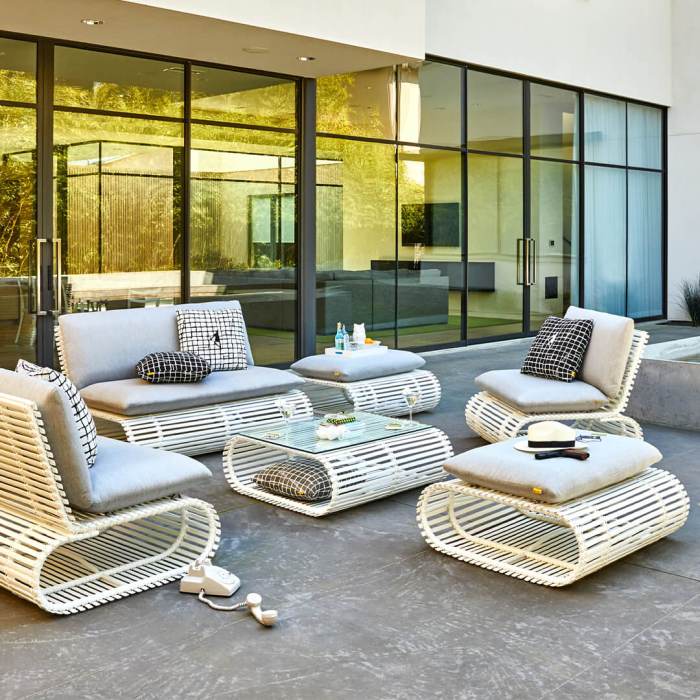
Source: storimodern.com
Keeping your ultra-modern outdoor furniture looking its best requires a little effort, but the rewards are a stylish and comfortable outdoor space for years to come. Regular cleaning and protection from the elements are key to extending the lifespan of your investment. This section details specific care instructions for various materials and addresses common issues.
Cleaning and Maintaining Different Materials
Different materials require different cleaning approaches. Aluminum, for example, is generally low-maintenance. A simple wipe-down with a mild soap and water solution is usually sufficient. For more stubborn stains, a non-abrasive cleaner can be used, followed by thorough rinsing and drying. Wicker, on the other hand, may benefit from a specialized wicker cleaner to preserve its natural fibers and prevent damage. Always check the manufacturer’s instructions for specific cleaning recommendations. For fabrics, spot cleaning with a suitable upholstery cleaner is recommended, while larger spills may require professional cleaning. Wood requires more care. Regularly apply a high-quality outdoor wood sealant to protect it from moisture and UV damage.
Protecting Furniture from Weather Damage
Ultra-modern outdoor furniture, despite its durability, is still susceptible to weather damage. Prolonged exposure to sunlight can cause fading and cracking, while rain and snow can lead to rust and mildew. Using protective covers is crucial, especially during the off-season. These covers should be breathable to prevent moisture buildup, and ideally made of a durable, water-resistant material. Consider placing your furniture under a covered patio or pergola to provide additional protection. Regularly inspect your furniture for signs of damage and address them promptly to prevent further deterioration. Applying UV protectant sprays can also help extend the life of your furniture’s finish.
Common Problems and Their Solutions
Rust is a common problem, particularly with metal furniture. Regular cleaning and the application of rust inhibitors can help prevent this. For existing rust, a wire brush can be used to remove loose rust, followed by the application of a rust remover and protective coating. Mildew can appear on fabric and wicker furniture, often caused by moisture. Cleaning with a mildew remover and allowing the furniture to dry completely in the sun can help eliminate this problem. Loose screws or bolts can be tightened to ensure the structural integrity of your furniture. Cracks in wooden furniture can sometimes be repaired with wood filler, but for significant damage, professional repair may be necessary.
Storing Ultra-Modern Outdoor Furniture During Off-Season
Proper storage is vital for extending the lifespan of your outdoor furniture. Before storing, thoroughly clean and dry the furniture. For metal furniture, consider applying a protective coating to prevent rust. Use protective covers to shield the furniture from dust and moisture. Store the furniture in a cool, dry place, ideally indoors, or in a well-ventilated outdoor shed or garage. Avoid storing the furniture directly on the ground to prevent moisture absorption. If storing bulky items, consider disassembling them to save space and protect delicate parts. Proper storage ensures your furniture will be in excellent condition when you are ready to use it again in the next season.
Integration with Outdoor Spaces
Ultra-modern outdoor furniture, with its clean lines and minimalist aesthetic, seamlessly integrates into a variety of landscaping styles, enhancing rather than competing with the surrounding environment. Careful placement is key to maximizing the furniture’s impact and creating a cohesive and stylish outdoor space.
Ultra-modern furniture complements different landscaping styles by offering a versatile design language. Its inherent simplicity allows it to blend harmoniously with both structured, formal gardens and more relaxed, naturalistic settings. The furniture’s neutral color palettes and geometric shapes can act as a unifying element, tying together disparate elements of the landscape.
Furniture Placement and Overall Aesthetic
Strategic furniture placement significantly influences the overall look and feel of an outdoor space. Positioning furniture to take advantage of views, sunlight, and natural focal points dramatically improves the user experience. For instance, placing a sleek, low-slung sofa facing a stunning vista creates an inviting and visually appealing seating area. Conversely, haphazardly placed furniture can disrupt the flow and detract from the overall design.
Incorporating Ultra-Modern Furniture into Various Outdoor Settings
Ultra-modern furniture adapts readily to diverse outdoor settings. On patios, minimalist seating arrangements with clean lines and neutral tones create a sophisticated atmosphere. Balconies, often limited in space, benefit from space-saving, multi-functional pieces like folding chairs or modular sofas. In gardens, ultra-modern furniture can provide a striking contrast to lush greenery, acting as a stylish focal point. For example, a single, sculptural chaise lounge placed amidst vibrant flowers creates a captivating visual statement.
Three Outdoor Space Layouts Featuring Ultra-Modern Furniture
Here are three distinct examples showcasing the versatility of ultra-modern outdoor furniture in different settings:
Layout 1: Minimalist Patio Oasis
This layout features a rectangular concrete patio with a low, concrete wall serving as a backdrop. Two sleek, white aluminum lounge chairs are positioned facing a small, meticulously manicured garden. A low, rectangular coffee table made of polished concrete sits between the chairs. The overall aesthetic is clean, serene, and modern. The limited color palette emphasizes the minimalist approach, allowing the architecture and landscaping to take center stage.
Layout 2: Balcony Retreat
A small, urban balcony is transformed with a compact, modular sofa system made of weather-resistant wicker. The sofa is arranged against the balcony wall, maximizing space. A small, round side table made of powder-coated steel provides a surface for drinks and plants. A neutral-colored, weatherproof rug defines the seating area, adding a touch of warmth and texture. The overall effect is a cozy and stylish retreat despite the limited space.
Layout 3: Modern Garden Sanctuary
This design incorporates a large, open garden space. A single, sculptural chaise lounge made of teak wood is strategically placed under a shade tree, providing a tranquil spot for relaxation. A low, circular coffee table made of woven rattan is positioned nearby. The surrounding garden features a mix of native plants and carefully placed boulders. The furniture’s organic shapes contrast with the more structured elements of the garden, creating a visually interesting and harmonious blend.
Epilogue
Creating a stylish and functional outdoor space with ultra-modern furniture is about more than just selecting beautiful pieces; it’s about understanding the design principles, material properties, and maintenance requirements to ensure longevity and enjoyment. By carefully considering the elements discussed—from design trends and material choices to proper care and integration with your landscape—you can transform your outdoor area into a modern sanctuary reflecting your style and providing years of comfortable enjoyment.
FAQ Resource
What’s the lifespan of ultra-modern outdoor furniture?
Lifespan depends heavily on the materials and maintenance. High-quality, weather-resistant materials can last for many years with proper care.
How much assembly is typically required?
It varies greatly depending on the piece. Some are fully assembled, while others require some assembly; check product specifications.
Are there financing options available for high-end pieces?
Many retailers offer financing plans or work with third-party lenders for larger purchases. Check with individual retailers.
How do I clean different materials (e.g., aluminum, teak)?
Cleaning methods vary; consult the manufacturer’s care instructions for specific materials. Generally, mild soap and water are suitable for most, while harsher cleaners should be avoided.
Where can I find ultra-modern outdoor furniture locally?
Check local furniture stores, design showrooms, or online retailers specializing in modern furniture. You may also find unique pieces at smaller, independent shops.
Comments are closed.