Outdoor Kitchen Contemporary Design Guide

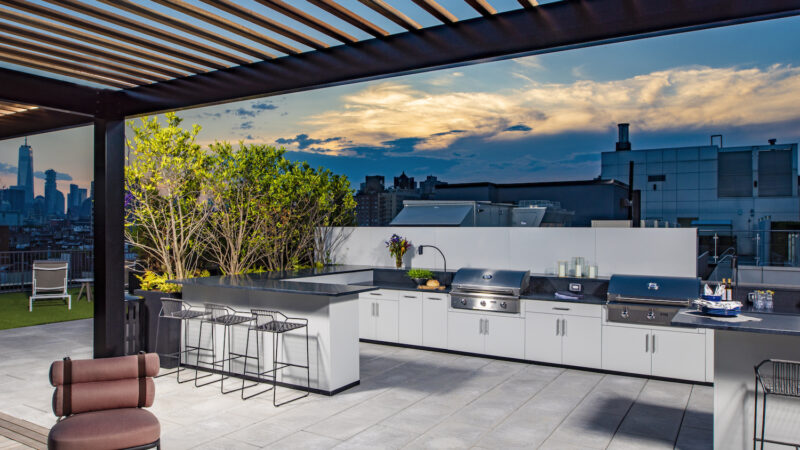
Outdoor kitchen contemporary designs are exploding in popularity! Imagine: a sleek, modern space seamlessly blending indoor luxury with the joy of alfresco cooking and entertaining. This guide dives into creating your own stylish and functional outdoor kitchen, from choosing the perfect appliances and materials to incorporating sustainable practices.
We’ll cover everything from essential design considerations like layout and appliance selection to enhancing the visual appeal with lighting, landscaping, and furniture choices. We’ll also explore the latest smart home technology integrations and eco-friendly options to create an outdoor kitchen that’s both beautiful and responsible.
Defining “Contemporary Outdoor Kitchen”
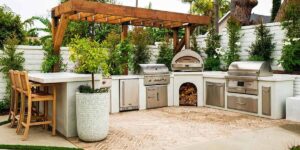
A contemporary outdoor kitchen is more than just a grill and a countertop; it’s a sophisticated extension of your indoor living space, designed for both functionality and aesthetic appeal. It seamlessly blends modern design principles with the practicality of an outdoor cooking area, creating a space that’s both stylish and highly usable.
Contemporary outdoor kitchens prioritize clean lines, minimalist aesthetics, and high-quality materials. Unlike traditional designs, which often embrace rustic or heavily ornamented styles, contemporary kitchens favor a sleek and uncluttered look. This approach emphasizes functionality and creates a sense of spaciousness, even in smaller outdoor areas.
Key Design Elements of Contemporary Outdoor Kitchens
Contemporary outdoor kitchen design focuses on several core elements. These elements work together to create a cohesive and visually appealing space. Simple geometric shapes, the use of integrated appliances, and a focus on durable, low-maintenance materials are all hallmarks of this style. The overall effect should be one of refined simplicity and modern elegance.
Comparison of Contemporary and Traditional Outdoor Kitchens
Traditional outdoor kitchens often feature brick or stonework, heavy wooden cabinetry, and ornate details. Think of a classic, perhaps slightly rustic, design. In contrast, contemporary designs lean towards sleek stainless steel, clean-lined cabinetry (often made from concrete or composite materials), and minimalist countertops. Traditional designs prioritize warmth and a sense of history, while contemporary designs prioritize clean lines, modern materials, and a streamlined aesthetic. The difference is largely in the overall feeling and visual impact. A traditional design might feel cozy and inviting in a more classic sense, while a contemporary one aims for a sophisticated and modern feel.
Materials Used in Contemporary Outdoor Kitchen Design
The choice of materials is crucial in achieving a contemporary look. Stainless steel is a popular choice for appliances and countertops due to its durability, ease of cleaning, and sleek appearance. Concrete, often used for countertops and bases, offers a modern industrial feel and high durability. Wood, while used less extensively than in traditional designs, can still find a place, often in the form of sleek, modern cabinetry or as a subtle accent. However, when used, it’s usually a more contemporary wood type, treated for weather resistance, rather than a heavily grained or rustic style.
Typical Features of Contemporary Outdoor Kitchens
Contemporary outdoor kitchens typically include built-in grills, often featuring multiple burners and side burners for added versatility. Integrated refrigerators and freezers keep ingredients cool and readily accessible. Undermount sinks provide a seamless and clean look, while ample counter space allows for comfortable food preparation. Many also include outdoor ovens, warming drawers, and even wine coolers, depending on the size and desired level of sophistication. The focus is always on integrating appliances seamlessly into the overall design, rather than having them stand out as individual pieces.
Design Considerations for Contemporary Outdoor Kitchens
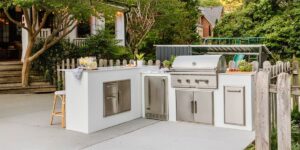
Designing a contemporary outdoor kitchen involves a careful balance of functionality and aesthetics. The goal is to create a space that seamlessly blends with your home’s style while providing a practical and enjoyable cooking and entertaining area. Consider the overall flow, the integration of appliances, and the selection of materials that can withstand the elements.
Contemporary Outdoor Kitchen Layouts
A well-designed layout is crucial for both efficiency and visual appeal. Consider the size of your space and the frequency of use when planning your layout. A linear design is ideal for smaller spaces, while an L-shaped or U-shaped layout offers more counter space and storage in larger areas. The placement of appliances should be intuitive and minimize unnecessary movement during meal preparation.
| Appliance | Option 1: Linear | Option 2: L-Shaped | Option 3: Island |
|---|---|---|---|
| Grill | End of the line | Corner | Center of the island |
| Refrigerator | Near the grill | Adjacent to counterspace | Side of the island |
| Sink | Near the refrigerator | Adjacent to the grill | Side of the island, opposite the grill |
| Prep Area | Between the sink and grill | Along the longer counter section | Remaining island space |
Essential Appliances for a Contemporary Outdoor Kitchen
Choosing the right appliances is key to creating a functional and enjoyable outdoor cooking space. Consider both your cooking style and the frequency of use when making your selections. High-quality appliances designed for outdoor use will ensure durability and longevity.
- High-performance grill: A built-in gas grill or a high-end charcoal grill is a must-have for any outdoor kitchen. Look for features like multiple burners, side burners, and integrated rotisseries.
- Refrigerator: A dedicated outdoor refrigerator that keeps drinks and ingredients cold, conveniently located near the cooking area.
- Sink: A durable stainless steel sink with a built-in faucet makes cleanup easy. Consider a model with a sprayer for added convenience.
- Storage cabinets: Ample storage is essential for keeping your outdoor kitchen organized and clutter-free.
- Optional additions: Consider a pizza oven, smoker, warming drawer, or ice maker depending on your needs and preferences.
Countertop Materials for Contemporary Outdoor Kitchens
The choice of countertop material significantly impacts both the aesthetics and durability of your outdoor kitchen. Consider factors like weather resistance, maintenance requirements, and overall style when making your selection.
- Stainless Steel: A classic choice, stainless steel is extremely durable, weather-resistant, and easy to clean. However, it can show scratches and fingerprints easily.
- Granite: A beautiful and durable natural stone, granite is resistant to heat and scratches. It requires sealing periodically to protect it from staining.
- Quartz: An engineered stone, quartz is highly durable, non-porous, and available in a wide range of colors and patterns. It’s relatively low-maintenance but can be susceptible to chipping.
- Concrete: A modern and industrial look, concrete countertops are durable and can be customized with various finishes and colors. They require sealing to protect them from staining and weathering.
Lighting and Landscaping Design Ideas
Careful consideration of lighting and landscaping can transform your outdoor kitchen into a truly inviting and functional space. Consider both ambient and task lighting to create a warm and inviting atmosphere. Strategic landscaping can enhance the overall aesthetic and provide privacy.
- Ambient Lighting: Recessed lighting, pendant lights, or string lights can create a soft and inviting glow. Consider using dimmable lights to adjust the ambiance.
- Task Lighting: Under-cabinet lighting or spotlights can illuminate work surfaces for easier cooking and preparation. Ensure sufficient lighting around the grill area for safety.
- Landscaping: Incorporate plants and shrubs to create a visually appealing backdrop. Consider using drought-tolerant plants to minimize maintenance. Adding a patio or deck creates a comfortable seating area.
Appliance Selection and Technology
Choosing the right appliances is crucial for creating a functional and enjoyable contemporary outdoor kitchen. The technology you integrate will directly impact both the convenience and the overall aesthetic. Consider your cooking style, budget, and desired level of automation when making these selections.
Outdoor Grill Types
The heart of any outdoor kitchen is the grill. Gas, charcoal, and infrared grills each offer unique advantages and disadvantages. Gas grills provide consistent heat and are easy to control, making them ideal for precise cooking. However, some find the flavor imparted by gas less desirable than that of charcoal. Charcoal grills deliver that classic smoky flavor, but require more effort in terms of preparation and temperature control. Infrared grills, on the other hand, boast incredibly fast heating times and superior searing capabilities due to their intense radiant heat. The best choice depends entirely on your personal preferences and cooking style.
Smart Home Technology Integration
Smart technology can elevate your outdoor kitchen experience to a whole new level. Smart grills, for example, allow you to control the cooking temperature and time remotely via a smartphone app. This level of control is particularly useful for larger gatherings or when monitoring the grill from inside the house. Automated lighting systems, integrated with motion sensors or smart home hubs, provide both convenience and ambiance, ensuring your outdoor kitchen is well-lit when needed and energy-efficient when not in use. Imagine the convenience of preheating your grill while you’re still inside, or setting the lights to a romantic glow for an evening dinner party – all controlled from your phone.
Outdoor Kitchen Refrigerators
Outdoor refrigerators are designed to withstand the elements and maintain consistent temperatures even in fluctuating outdoor conditions. They often feature weather-resistant materials and robust insulation to ensure food safety and longevity. Consider features like separate freezer compartments, adjustable shelves, and energy-efficient designs when making your selection. High-end models might even include features like ice makers and integrated beverage dispensers. Choosing a refrigerator with sufficient capacity for your needs is also crucial, considering both food storage and beverage chilling.
Ventilation Systems
A well-designed ventilation system is essential for a contemporary outdoor kitchen. It effectively removes smoke, grease, and odors, creating a comfortable and safe cooking environment. Consider the size and power of the ventilation system relative to the size of your outdoor kitchen and the types of appliances you’ll be using. High-quality ventilation systems often feature powerful fans, multiple speed settings, and effective filtration to ensure optimal performance. Without adequate ventilation, smoke and odors can linger, making the space unpleasant and potentially dangerous.
Creating a Visually Appealing Space
Designing a stunning contemporary outdoor kitchen involves more than just functionality; it’s about crafting a space that’s both inviting and visually striking. The right blend of colors, textures, and materials can transform your backyard into an outdoor oasis. Careful consideration of cabinetry, furniture, and hardscaping will ensure a cohesive and sophisticated design.
Visual Representation of a Contemporary Outdoor Kitchen
Imagine a sleek outdoor kitchen nestled against a backdrop of lush greenery. The countertops are crafted from rich, dark grey quartz, their polished surface reflecting the sunlight. These are complemented by cabinetry constructed from smooth, charcoal-colored concrete, offering a modern, industrial aesthetic. A built-in stainless steel grill and refrigerator maintain a consistent, high-end look. The backsplash is a mosaic of small, iridescent glass tiles in shades of deep teal and silver, adding a subtle sparkle and visual interest. Warm-toned, sustainably sourced teak wood is used for the bar stools, providing a textural contrast to the cool tones of the concrete and quartz. Potted succulents and herbs add pops of green, softening the industrial feel and bringing life to the space. Subtle, integrated LED lighting beneath the countertops provides ambient illumination at night, highlighting the textures and materials.
Contemporary Outdoor Kitchen Cabinetry Styles
Several cabinetry styles effectively complement a contemporary outdoor kitchen design. Sleek, frameless cabinetry with integrated handles creates a clean, minimalist look. Conversely, cabinetry with clean lines but featuring a visible, slightly recessed handle offers a more traditional take on contemporary style. For a more rustic-modern feel, consider cabinetry with a wood veneer in a dark, neutral tone, contrasted with stainless steel accents. The choice depends on the overall aesthetic you want to achieve.
Outdoor Furniture Options for Contemporary Outdoor Kitchens
Choosing the right outdoor furniture is crucial for creating a cohesive and comfortable space. Consider materials like powder-coated aluminum, woven wicker with aluminum frames, or teak wood for durability and weather resistance. The furniture should maintain a streamlined, contemporary aesthetic. For seating, sleek metal chairs with comfortable cushions or a modular sectional sofa in neutral tones would work well. A simple, rectangular dining table in a similar material to the chairs completes the set. Adding weather-resistant outdoor cushions in neutral tones with pops of color provides comfort and visual appeal.
Hardscaping Materials for Enhancing Design
The hardscaping significantly impacts the overall look and feel of the outdoor kitchen. Large-format, light grey concrete pavers create a clean, modern base. These pavers can be laid in a simple running bond pattern for a minimalist look or arranged in a more complex pattern for added visual interest. Alternatively, using textured concrete with a smooth finish offers a seamless, contemporary feel. Consider incorporating natural stone elements like flagstone or slate for pathways leading to the kitchen, adding textural contrast and a touch of natural beauty. The choice depends on the desired level of formality and the overall aesthetic of the surrounding landscape.
Sustainability and Eco-Friendly Options
Building a contemporary outdoor kitchen doesn’t have to come at the expense of the environment. Choosing sustainable materials and energy-efficient appliances can significantly reduce your kitchen’s carbon footprint and create a space that’s both stylish and responsible. Let’s explore how to design an eco-conscious outdoor cooking haven.
Sustainable and eco-friendly materials offer a multitude of benefits, from reduced environmental impact to enhanced durability and aesthetic appeal. By thoughtfully selecting these materials, you contribute to a greener future while enjoying a beautiful and functional outdoor kitchen.
Sustainable Materials for Construction
Many sustainable materials are readily available and suitable for outdoor kitchen construction. Recycled materials, such as reclaimed wood or recycled metal, offer a unique character and reduce the demand for newly harvested resources. Locally sourced stone, like granite or limestone, minimizes transportation emissions and supports local businesses. Bamboo, a rapidly renewable resource, provides a striking aesthetic and excellent durability. Finally, sustainably harvested timber, certified by organizations like the Forest Stewardship Council (FSC), ensures responsible forestry practices. These choices not only minimize environmental impact but also add a unique character to your outdoor kitchen.
Energy-Efficient Appliances
Choosing energy-efficient appliances is crucial for minimizing the environmental impact of your outdoor kitchen. Look for appliances with Energy Star ratings, indicating they meet stringent energy-efficiency guidelines. Induction cooktops, for example, are significantly more energy-efficient than gas cooktops, transferring heat directly to the cookware and minimizing energy loss. Similarly, high-efficiency grills and ovens utilize advanced technology to optimize fuel consumption and reduce emissions. Consider opting for solar-powered outdoor lighting to further reduce your energy consumption. These energy-efficient appliances not only benefit the environment but also often translate to lower energy bills in the long run.
Minimizing Environmental Impact
Beyond material and appliance choices, several strategies minimize an outdoor kitchen’s environmental impact. Proper waste management, including recycling and composting food scraps, is essential. Water conservation measures, discussed in the next section, are crucial. Consider using low-VOC (volatile organic compound) paints and stains to reduce air pollution during and after construction. Finally, thoughtful landscaping around the kitchen, using native drought-tolerant plants, reduces the need for excessive watering and maintenance. These holistic approaches create a truly sustainable outdoor cooking space.
Water-Saving Features, Outdoor kitchen contemporary
Water conservation is vital in an outdoor kitchen setting. Installing low-flow faucets and showerheads significantly reduces water consumption without compromising functionality. Consider incorporating a rainwater harvesting system to collect rainwater for irrigation, reducing reliance on municipal water supplies. Greywater recycling systems, which reuse water from showers and sinks for irrigation, are another effective option, though they require more complex installation. These water-saving features contribute to a more sustainable outdoor living space while conserving precious water resources.
Concluding Remarks

Designing your contemporary outdoor kitchen is an exciting journey! By carefully considering the layout, appliances, materials, and overall aesthetic, you can create a space that perfectly reflects your style and enhances your outdoor living experience. Remember to prioritize functionality, sustainability, and most importantly, your enjoyment of this amazing addition to your home. Start planning your dream outdoor oasis today!
FAQ Resource: Outdoor Kitchen Contemporary
What’s the average cost of building a contemporary outdoor kitchen?
Costs vary greatly depending on size, materials, appliances, and labor. Expect to invest anywhere from a few thousand to tens of thousands of dollars.
How much maintenance is required for an outdoor kitchen?
Regular cleaning and occasional repairs are necessary. The frequency depends on the materials used and weather conditions. Stainless steel is generally low-maintenance, while wood may require more frequent sealing.
What permits are needed to build an outdoor kitchen?
Building codes vary by location. Check with your local authorities for necessary permits before starting construction. Gas lines and electrical work often require professional installation and inspections.
Can I build an outdoor kitchen myself?
While some DIY projects are possible, complex installations (gas lines, electrical) are best left to professionals for safety reasons. Assess your skills and comfort level before undertaking the project.
How do I protect my outdoor kitchen from the elements?
Consider using weather-resistant materials, installing a cover or pergola for shade and protection from rain, and storing appliances properly during inclement weather.
Comments are closed.