Modern Backyard Remodel A Stylish Guide

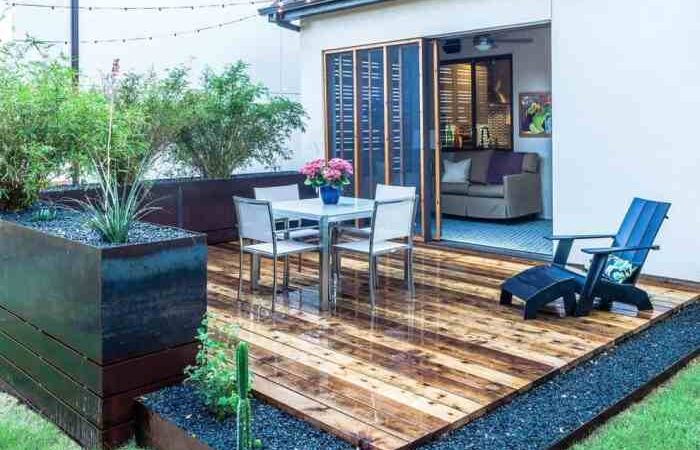
Modern backyard remodel projects offer a fantastic opportunity to transform your outdoor space into a stylish and functional oasis. This guide dives into the key elements of creating a modern backyard, from initial planning and design to landscaping, material selection, and budget considerations. We’ll explore how to seamlessly blend contemporary aesthetics with practical functionality, creating a space you’ll love to enjoy for years. Get ready to learn how to design your dream modern outdoor haven!
We’ll cover everything from choosing the right materials and incorporating sustainable practices to designing functional zones like patios, outdoor kitchens, and water features. We’ll also discuss managing your budget effectively while achieving your desired look and feel. Whether you’re envisioning a minimalist sanctuary or a vibrant entertainment area, this guide will provide you with the knowledge and inspiration you need to make your modern backyard remodel a reality.
Defining “Modern Backyard Remodel”
A modern backyard remodel transcends mere aesthetics; it’s about creating a functional and stylish outdoor space that reflects contemporary design principles. It’s a blend of clean lines, minimalist approaches, and the strategic use of materials to maximize both beauty and usability. This differs significantly from traditional designs that often prioritize ornate details and historical influences.
Modern backyard design prioritizes simplicity and functionality. Unlike traditional styles that may feature elaborate landscaping or fussy details, a modern approach focuses on creating a calming and uncluttered environment. This often involves the use of geometric shapes, neutral color palettes, and a focus on natural materials. The overall effect is a space that feels both sophisticated and relaxing.
Key Characteristics of Modern Backyard Design
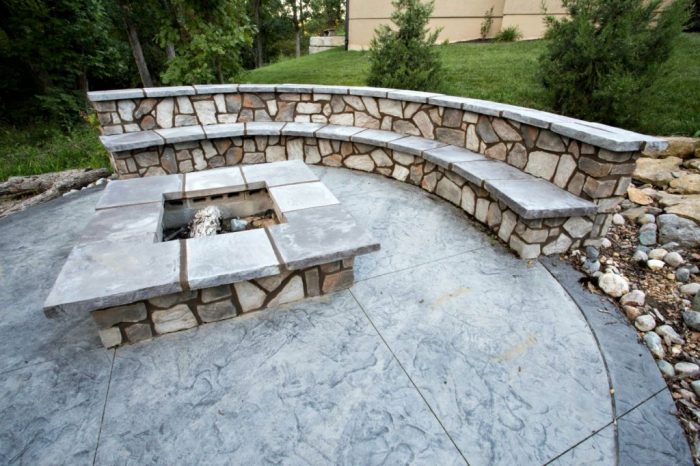
Modern backyards emphasize clean lines and geometric shapes in hardscaping elements like patios and walkways. Planting schemes are often structured and deliberate, favoring a minimalist approach with strategically placed plants and trees rather than overflowing flowerbeds. The use of natural materials, such as wood, stone, and concrete, is prominent, creating a sense of connection to the natural world while maintaining a refined aesthetic. Built-in seating, fire pits, and water features are often incorporated to enhance both the visual appeal and functionality of the space. Lighting is strategically used to highlight architectural features and create a warm and inviting ambiance at night.
Comparison with Other Styles
Modern backyard designs differ significantly from other popular styles. Minimalist designs take the modern approach further, stripping away almost all ornamentation to achieve a stark, uncluttered aesthetic. Rustic designs, in contrast, embrace natural, often reclaimed materials and a more organic, less structured feel. While a modern backyard might incorporate some rustic elements (like natural wood), it does so in a controlled and intentional way, maintaining the overall clean and minimalist aesthetic. A traditional backyard, on the other hand, might feature intricate flower gardens, ornate fences, and a more cluttered arrangement of furniture and decorative elements.
Typical Materials Used in Modern Backyard Renovations
The selection of materials is crucial in achieving a modern look. Common choices include:
- Concrete: Used for patios, walkways, and retaining walls, often in smooth, polished finishes or with interesting textural variations.
- Natural Stone: Such as flagstone, slate, or bluestone, provides a natural, textured contrast to the clean lines of other elements.
- Wood: Often used for decking, pergolas, and fencing, frequently in a simple, unadorned style – perhaps stained in a neutral color.
- Metal: Steel or aluminum can be used for fencing, railings, and fire pits, offering durability and a sleek, modern appearance.
- Composite Materials: These offer a low-maintenance alternative to natural wood, mimicking the look of wood without the upkeep.
The careful selection and integration of these materials contribute significantly to the overall success of a modern backyard remodel. For example, a sleek concrete patio might be complemented by a warm wood deck and a minimalist metal fire pit, creating a balanced and visually appealing space.
Planning and Design Considerations: Modern Backyard Remodel
Source: bonicklandscaping.com
Transforming your backyard into a modern oasis requires careful planning and thoughtful design. This section articulates key considerations to ensure your remodel is both aesthetically pleasing and functionally efficient. We’ll cover creating a functional layout, designing a modern patio, incorporating sustainable elements, and providing a step-by-step guide for the entire process.
Sample Modern Backyard Plan with Functional Zones
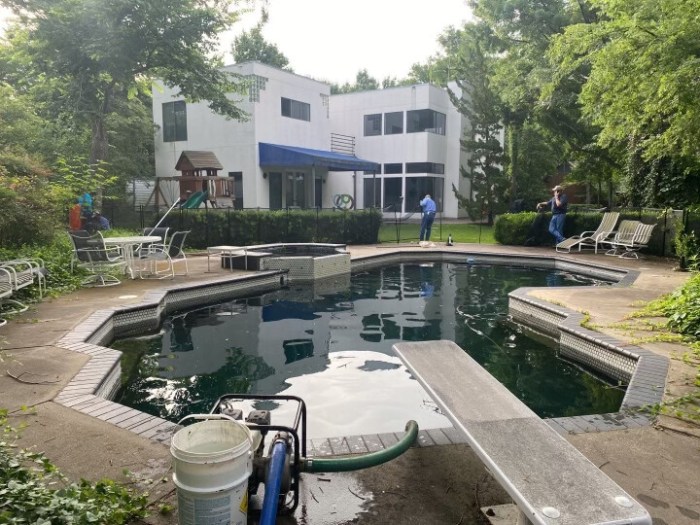
A well-designed modern backyard often incorporates distinct zones to maximize space and functionality. Imagine a space divided into a patio area for dining and socializing, a lounging area with comfortable seating and perhaps a fire pit, a planting area for greenery and flowers, and possibly a dedicated space for outdoor cooking (a grill or outdoor kitchen). The zones should flow seamlessly into one another, creating a cohesive and inviting atmosphere. For example, a 20×30 foot backyard could be divided into a 10×15 foot patio, a 10×10 foot lounging area adjacent to it, a 5×10 foot planting area near the fence, and the remaining space for pathways and perhaps a small water feature. The layout would prioritize clear sightlines and easy movement between zones.
Modern Patio Area Design
A modern patio typically emphasizes clean lines and minimalist aesthetics. Consider using large-format concrete pavers in a neutral color like grey or beige for a sleek and contemporary look. A size of 12×15 feet would comfortably accommodate a dining table and chairs for six. Incorporate built-in seating with integrated planters for a touch of greenery. Lighting is crucial; consider recessed lighting on the patio floor or stylish pendant lights suspended above the dining area. Adding an outdoor fireplace or fire pit could create a cozy focal point, extending the usability of the patio into cooler evenings.
Incorporating Sustainable and Eco-Friendly Elements
Sustainability is increasingly important in modern design. Choose locally sourced materials whenever possible to reduce your carbon footprint. Opt for permeable paving materials to allow rainwater to seep into the ground, reducing runoff and benefiting local water systems. Install drought-tolerant plants and consider a rainwater harvesting system for irrigation. Using solar-powered lighting further enhances the eco-friendly aspect of the design. For example, using reclaimed wood for fencing or decking adds character while minimizing environmental impact.
Step-by-Step Guide for Backyard Remodel Planning
Careful planning is essential for a successful remodel. This table illustrates the key steps involved:
| Phase | Step 1 | Step 2 | Step 3 |
|---|---|---|---|
| Concept & Design | Define your needs and desired aesthetic. | Sketch initial layouts and gather inspiration. | Consult with a landscape architect or designer (optional). |
| Budgeting & Materials | Develop a detailed budget, including contingency funds. | Source materials, comparing prices and sustainability. | Secure necessary permits and approvals. |
| Implementation | Prepare the site; remove existing structures and landscaping. | Install hardscaping elements (patio, pathways, etc.). | Plant vegetation and add finishing touches. |
| Finalization | Conduct a final inspection and address any issues. | Enjoy your newly remodeled backyard! | Consider ongoing maintenance and care for your landscaping. |
Key Features of Modern Backyards
Modern backyards are more than just grassy expanses; they’re extensions of the home, designed for relaxation, entertainment, and connection with nature. This section will explore key elements that define the modern backyard aesthetic and functionality. We’ll look at lighting, water features, furniture choices, and the design of a modern outdoor kitchen.
Outdoor Lighting in Modern Backyard Designs
Strategic outdoor lighting is crucial for creating ambiance and extending the usability of your backyard into the evening. Different lighting types serve different purposes. Path lighting, for instance, uses low-voltage LED lights embedded in the ground to safely illuminate walkways. Uplighting can dramatically highlight trees or architectural features, adding depth and visual interest. Pendant lights or string lights strung between trees create a more relaxed, social atmosphere, perfect for outdoor dining or gatherings. Spotlights can focus on specific plants or sculptures, drawing the eye to particular focal points. Consider layering different types of lighting for a dynamic and inviting space. Placement should be carefully planned to avoid harsh shadows and to highlight the best features of your landscape.
Modern Water Features for Backyards
Water features add a soothing and visually captivating element to any modern backyard. For smaller spaces, a sleek, minimalist fountain might be ideal. Imagine a simple, free-standing stainless steel fountain with a gentle, cascading flow. Larger yards could accommodate a more elaborate pond, perhaps incorporating natural stones and strategically placed aquatic plants for a biodiverse ecosystem. A reflecting pool, with its calm surface reflecting the sky and surrounding greenery, provides a sense of tranquility and elegance. The choice depends on the available space and the desired aesthetic, but the impact of a well-designed water feature is undeniable.
Modern Outdoor Furniture Selection
Modern outdoor furniture prioritizes clean lines, minimalist designs, and durable, weather-resistant materials. Materials like teak, aluminum, and weather-resistant wicker are popular choices. Consider modular furniture sets for flexibility; these can be easily rearranged to suit different occasions and group sizes. For smaller patios, slender, space-saving chairs and a small, compact table might be sufficient. Larger areas can accommodate larger seating arrangements, perhaps including a comfortable outdoor sofa and armchairs. The key is to choose pieces that are both stylish and functional, complementing the overall design of the backyard.
Modern Outdoor Kitchen Design
A modern outdoor kitchen is the ultimate entertainment hub. The design should seamlessly integrate with the existing backyard landscape and architecture.
- Essential Components: A built-in grill (gas or charcoal), a side burner for cooking side dishes, a sink with running water, ample counter space (consider stainless steel or concrete), and storage cabinets for utensils and cookware.
- Appliances: A refrigerator to keep drinks and food chilled, and possibly an outdoor pizza oven or smoker for more elaborate cooking.
- Layout: The layout should prioritize efficiency and ease of movement. The grill should be positioned conveniently near the counter space and sink. Consider adding an outdoor bar area with seating for socializing.
Landscaping and Planting
Modern backyard landscaping goes beyond simply adding plants; it’s about creating a cohesive and stylish outdoor space that complements the overall design of your home. This involves careful consideration of plant selection, placement, and the integration of hardscaping elements.
Choosing the right plants is crucial for a successful modern landscape. Prioritizing native plants and drought-tolerant species offers numerous benefits, including reduced water consumption, lower maintenance, and a greater contribution to local biodiversity.
Native Plants and Drought-Tolerant Landscaping
Utilizing native plants in your modern backyard design promotes sustainability and reduces the environmental impact of your landscaping. These plants are naturally adapted to your local climate, requiring less water and fewer fertilizers than non-native species. Drought-tolerant options are particularly beneficial in arid or semi-arid regions, ensuring a thriving landscape even during periods of low rainfall. Examples include succulents, lavender, and various types of grasses, depending on your specific region. The reduced need for watering translates to cost savings and a lighter environmental footprint.
Principles of Modern Landscape Design
Modern landscape design emphasizes clean lines, minimalist aesthetics, and a sense of calm. This is achieved through strategic planting, careful placement of hardscaping elements, and a restrained color palette. Avoid overly fussy designs; instead, focus on creating a visually appealing space with a sense of simplicity and elegance. Geometric shapes, such as rectangular planting beds or circular patios, are commonly used to create a structured and sophisticated look. The use of repeating elements, such as a specific type of paving stone or a particular plant species, can enhance the sense of unity and order.
Plant Selection Guide for a Modern Backyard
The ideal plant selection depends heavily on your climate and the amount of sunlight your backyard receives. The following table provides a selection of plants suitable for various conditions:
| Sunlight | Climate | Plant Type | Example Plants |
|---|---|---|---|
| Full Sun | Mediterranean | Shrubs | Rosemary, Lavender, Oleander |
| Partial Shade | Temperate | Perennials | Hostas, Astilbe, Ferns |
| Full Shade | Tropical | Groundcovers | Liriope, Pachysandra, Vinca |
| Full Sun | Arid | Succulents | Agave, Sedum, Echeveria |
Impact of Hardscaping on Modern Backyard Design, Modern Backyard Remodel
Hardscaping elements, such as patios, pathways, and retaining walls, are integral to the overall design of a modern backyard. The choice of materials significantly impacts the visual appeal and functionality of the space. Clean lines and minimalist aesthetics are key; consider materials like concrete, natural stone (flagstone, slate), or sleek composite decking. Concrete, for instance, can be poured into clean geometric shapes, creating a modern and uncluttered look. Natural stone provides a more organic feel, while composite decking offers durability and low maintenance. The color and texture of the hardscaping materials should complement the overall color scheme of the plants and the house. For example, a light-colored concrete patio might pair well with a palette of greens and grays, while darker stone might complement a more dramatic color scheme.
Budget and Cost Considerations
Source: hinklehardscapes.com
Planning a modern backyard remodel requires careful consideration of the budget. The total cost can vary wildly depending on the size of your yard, the complexity of the design, the materials chosen, and the labor involved. Understanding these factors upfront is crucial to avoid unexpected expenses and ensure a successful project.
Cost Estimates for Modern Backyard Remodels
A modern backyard remodel can range significantly in cost. Smaller projects focusing on a few key features, like a simple patio and some planting, might cost between $5,000 and $15,000. Larger projects encompassing extensive hardscaping, outdoor kitchens, pools, or elaborate landscaping can easily exceed $50,000 or even reach six figures. These estimates are broad and depend heavily on location, material choices, and the contractor’s rates. For example, a simple concrete patio might cost $10-$20 per square foot, while a custom paver patio could range from $20-$50 per square foot or more. Labor costs typically represent a significant portion of the total expense, often ranging from 30% to 50% of the overall project cost.
Tips for Staying Within Budget
Staying within budget during a backyard renovation requires careful planning and proactive measures. Prioritize your must-have features and be willing to compromise on less essential elements. Explore cost-effective alternatives for materials, such as using concrete instead of natural stone, or opting for less expensive plant species. Consider DIYing some aspects of the project if you have the skills and time, such as painting fences or planting smaller shrubs. Get multiple quotes from contractors to compare pricing and services, and be transparent about your budget from the outset. Remember to factor in unexpected costs and build a contingency buffer of 10-20% into your overall budget.
Creating a Realistic Budget
Creating a realistic budget involves breaking down the project into smaller, manageable components. Begin by defining the scope of your project—what features are essential, and which are desirable but not strictly necessary? Then, research the cost of materials and labor for each component. Utilize online resources, consult with contractors, and get multiple quotes to establish a range of prices for each element. Add up the costs of all the components, including materials, labor, permits, and a contingency buffer. Regularly review and adjust your budget throughout the project to account for any unforeseen changes or expenses. For instance, if your initial budget was $20,000, allocate $2,000-$4,000 for unexpected costs.
Material Cost Comparison
The choice of materials significantly impacts the overall cost of your modern backyard remodel. Below is a comparison of common materials and their approximate cost ranges. Note that these are estimates and can vary depending on location and supplier.
| Material | Cost Range (per sq ft or unit) | Notes |
|---|---|---|
| Concrete Patio | $10 – $20 | Cost-effective option; can be stained or stamped for design |
| Paver Patio | $20 – $50+ | More expensive, but offers greater design flexibility |
| Natural Stone Patio | $30 – $100+ | High-end option; offers unique aesthetic qualities |
| Wood Fencing | $20 – $40 per linear foot | Cost varies greatly depending on wood type and style |
| Composite Fencing | $30 – $60 per linear foot | More durable and low-maintenance than wood |
| Lighting Fixtures (LED) | $20 – $100+ per fixture | Energy-efficient and long-lasting |
Last Recap
Source: architectureartdesigns.com
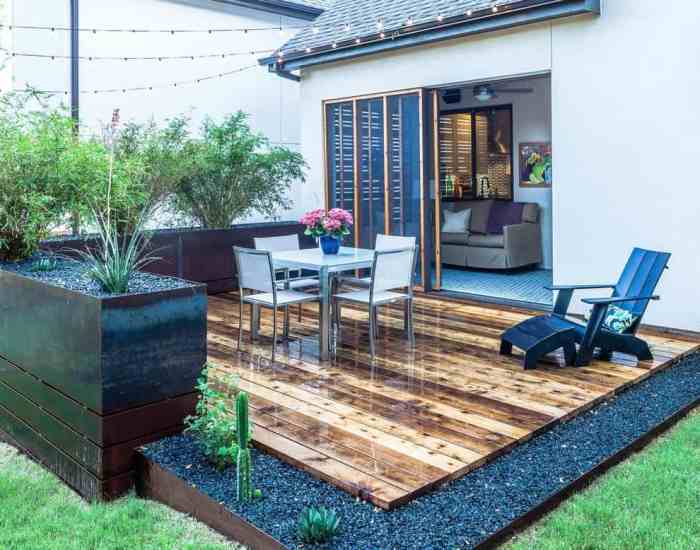
Transforming your backyard into a modern masterpiece involves careful planning, creative design, and thoughtful material selection. By following the steps Artikel in this guide, you can create a space that reflects your style while maximizing functionality and sustainability. Remember, the key to a successful modern backyard remodel is a balance between clean lines, natural elements, and functional design. So, start planning, get inspired, and enjoy the process of creating your perfect outdoor retreat!
Popular Questions
How long does a modern backyard remodel typically take?
The timeline varies greatly depending on the project’s scope and complexity. Smaller projects might take a few weeks, while larger renovations could take several months.
What are some common mistakes to avoid during a backyard remodel?
Common mistakes include underestimating the budget, neglecting proper planning, and failing to consider local building codes and permits. Poor material selection and insufficient drainage are also frequent issues.
How do I find a reputable contractor for my modern backyard remodel?
Get recommendations from friends and family. Check online reviews, verify licenses and insurance, and get multiple quotes before making a decision. Always meet the contractor in person to discuss your project in detail.
Can I DIY parts of my modern backyard remodel?
Absolutely! Many aspects, like painting, planting, and some smaller construction tasks, are DIY-friendly. However, for complex tasks like electrical work or structural changes, it’s best to hire professionals.
How can I maintain my modern backyard after the remodel is complete?
Regular cleaning, seasonal plant maintenance, and occasional repairs will help keep your backyard looking its best. Consider using weather-resistant materials to minimize upkeep.
Comments are closed.