Landscaping for Residential Houses A Complete Guide

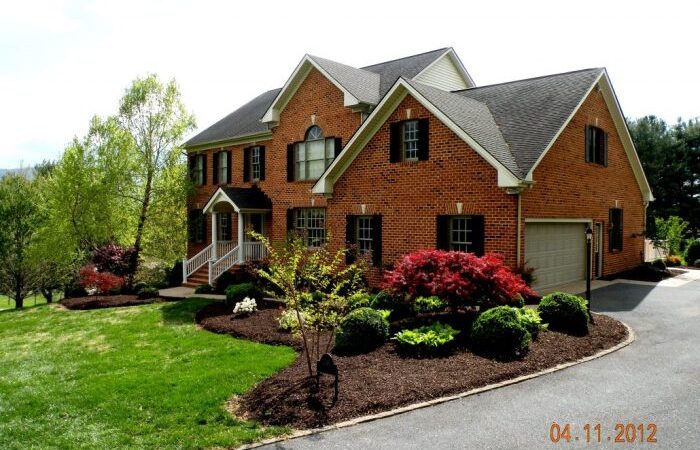
Landscaping for residential houses transforms a simple house into a home, reflecting your style and enhancing curb appeal. This guide dives into everything from choosing the right plants and hardscaping materials to creating a sustainable and budget-friendly landscape that thrives. We’ll cover various design styles, practical tips for plant selection and placement, and even help you create a realistic budget. Get ready to turn your outdoor space into an oasis!
Whether you’re a seasoned gardener or a complete beginner, this comprehensive guide will equip you with the knowledge and inspiration you need to create the residential landscape of your dreams. From understanding different landscaping styles and selecting appropriate plants to incorporating hardscaping elements and designing a sustainable approach, we’ll walk you through each step of the process. We’ll also tackle the often-overlooked aspects of budgeting and maintenance, ensuring your beautiful landscape remains vibrant for years to come.
Residential Landscaping Styles
Choosing the right landscaping style can dramatically enhance your home’s curb appeal and overall aesthetic. Understanding the various styles and their characteristics is crucial for creating a cohesive and visually pleasing outdoor space. This section explores different residential landscaping styles, highlighting their key features and suitability for various house types.
Five Distinct Residential Landscaping Styles
Here are five distinct residential landscaping styles, each offering a unique approach to outdoor design.
| Style Name | Description | Key Features | Suitable House Types |
|---|---|---|---|
| Formal | Symmetrical and structured design with precise lines and geometric shapes. | Neatly trimmed hedges, symmetrical plantings, paved walkways, and fountains. | Traditional, colonial, Victorian homes. |
| Informal | Naturalistic and relaxed design with flowing lines and a less structured appearance. | Varied plant heights and textures, winding pathways, and natural stone features. | Ranch, Craftsman, contemporary homes. |
| Mediterranean | Evokes the sun-drenched landscapes of the Mediterranean region. | Drought-tolerant plants, terracotta pots, stone walls, olive trees. | Mediterranean-style, Spanish-style homes. |
| Japanese | Emphasizes tranquility and harmony with nature. | Rocks, water features, carefully selected plants, and zen gardens. | Modern, minimalist homes. |
| Xeriscape | Focuses on water conservation through the use of drought-tolerant plants and efficient irrigation. | Native plants, gravel pathways, and efficient drip irrigation systems. | Any house type, particularly in arid or semi-arid climates. |
Formal vs. Informal Landscaping
Formal landscaping prioritizes symmetry, order, and geometric precision. Think manicured lawns, precisely placed shrubs and straight lines. Informal landscaping, conversely, embraces a more natural and relaxed aesthetic. It features flowing lines, a mix of plant heights and textures, and a less structured overall appearance. The choice depends on personal preference and the architectural style of the house.
Landscaping Considerations for Small and Large Properties
Small properties benefit from landscaping that maximizes space and creates the illusion of more area. Vertical gardening, strategically placed focal points, and light-colored paving can achieve this. Large properties offer more scope for elaborate designs, including multiple garden areas, water features, and extensive plantings. Careful planning is crucial to avoid a sprawling, unorganized look.
Plant Selection and Placement

Source: architeca.in
Selecting and placing plants thoughtfully is vital for a thriving and aesthetically pleasing landscape. Consider factors such as sunlight, water needs, and the overall design scheme. The right plants can transform a space, while poor choices can lead to disappointment.
Low-Maintenance Plants
- Lavender: Full sun, well-drained soil, low water needs.
- Coneflower: Full sun to partial shade, average water needs.
- Sedum: Full sun, drought-tolerant, low water needs.
- Yarrow: Full sun, well-drained soil, drought-tolerant.
- Hosta: Shade to partial shade, average water needs.
Sample Front Yard Planting Plan
| Plant Name | Quantity | Location | Purpose |
|---|---|---|---|
| Ornamental Grass | 3 | Back of border | Height and texture |
| Coneflower | 5 | Mid-border | Color and interest |
| Lavender | 2 | Front of border | Fragrance and low-maintenance |
| Hosta | 4 | Shady area | Ground cover |
Climate and Soil Considerations
Understanding your local climate and soil conditions is paramount. Choosing plants that thrive in your specific environment ensures their health and longevity. Poorly suited plants will struggle, requiring more maintenance and potentially failing to flourish.
Hardscaping Elements: Landscaping For Residential House
Hardscaping elements provide structure, functionality, and visual interest to a landscape. Careful selection and placement of these elements can significantly enhance the overall design. This section explores various hardscaping materials and design principles.
Comparison of Hardscaping Materials
Brick, stone, and concrete each offer unique aesthetic qualities and functional properties. Brick provides a classic, warm look; stone offers a more natural, rustic feel; and concrete offers versatility and affordability. The choice depends on the desired style and budget.
Creative Hardscaping Features
- Paved pathways: Provide functional access and visual appeal.
- Patios: Create outdoor living spaces for relaxation and entertainment.
- Retaining walls: Manage slopes and add visual interest.
- Dry creek beds: Manage water runoff and add a natural aesthetic.
- Outdoor fireplaces or fire pits: Extend the usability of the outdoor space.
Integrating Hardscaping with the Landscape
Seamless integration is key. Hardscaping elements should complement the surrounding landscape, not compete with it. Consider using materials that echo natural elements, such as stone that matches existing rock formations or brick that complements the house’s color palette.
Lighting and Water Features
Lighting and water features add both functionality and aesthetic appeal to a residential landscape. Careful planning is crucial to ensure these elements enhance the overall design and create a welcoming atmosphere.
Residential Landscape Lighting Plan, Landscaping for residential house
A well-designed lighting plan incorporates both functional and ambient lighting. Path lighting ensures safety and wayfinding. Accent lighting highlights key features, such as plants or sculptures. Ambient lighting creates a warm and inviting atmosphere. Consider using low-voltage LED lighting for energy efficiency and longevity.
Water Features: Benefits and Drawbacks
Water features, such as fountains and ponds, add a soothing element to the landscape, increasing its aesthetic appeal. However, they require regular maintenance and can be costly to install and maintain. Consider the long-term commitment before incorporating a water feature.
Environmental Considerations for Water Features
Water feature design should prioritize water conservation. Consider using recycled water or rainwater harvesting. Choose plants that require minimal water, and ensure proper filtration to maintain water quality and prevent mosquito breeding.
Budgeting and Maintenance
Creating a realistic budget and a comprehensive maintenance plan are essential for a successful landscaping project. This ensures that the project stays within budget and that the landscape remains healthy and attractive for years to come.
Sample Landscaping Budget (Mid-Sized Project)
| Category | Estimated Cost |
|---|---|
| Plants | $1500 |
| Materials (hardscaping, soil) | $3000 |
| Labor | $4000 |
| Design & Consultation | $500 |
| Total | $9000 |
Residential Landscape Maintenance Plan
- Watering: Regular watering, especially during dry periods.
- Fertilization: Apply fertilizer according to plant needs.
- Pruning: Regularly prune shrubs and trees to maintain shape and health.
- Weed control: Regularly remove weeds to prevent competition for resources.
- Pest and disease management: Monitor for pests and diseases and take appropriate action.
Extending Lifespan and Minimizing Maintenance
Choosing durable materials for hardscaping and selecting low-maintenance plants significantly reduces long-term maintenance requirements. Regular upkeep, such as pruning and weeding, prevents problems from escalating and extends the lifespan of the landscape.
Sustainability and Eco-Friendly Practices
Incorporating sustainable practices into landscape design minimizes environmental impact and promotes long-term health. This section explores ways to create an eco-friendly and sustainable outdoor space.
Sustainable Landscaping Practices
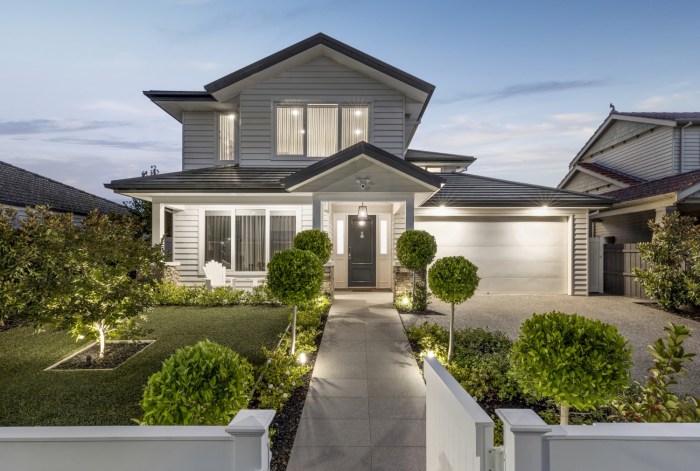
Source: com.au
Water conservation is crucial. Employ techniques like rainwater harvesting, drip irrigation, and the use of drought-tolerant plants. Choosing native plants reduces the need for fertilizers and pesticides, supporting local ecosystems.
Eco-Friendly Landscaping Materials
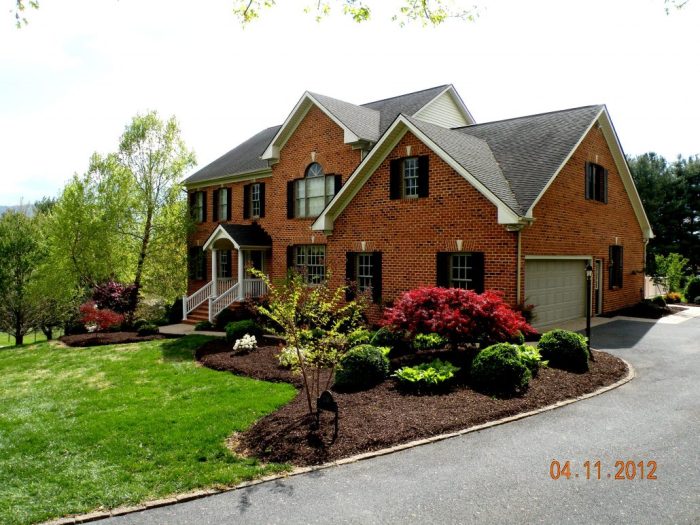
Source: shreckhiselandscape.com
- Recycled plastic lumber: Durable, low-maintenance alternative to traditional wood.
- Permeable paving: Allows water to seep through, reducing runoff and replenishing groundwater.
- Natural stone: Sustainable and aesthetically pleasing, with minimal environmental impact during extraction and processing.
Reducing Pesticide and Herbicide Use
Pesticides and herbicides can harm beneficial insects, pollute water sources, and negatively impact human health. Prioritize integrated pest management strategies, such as attracting beneficial insects and using organic pest control methods.
Ending Remarks
Creating a stunning residential landscape is a rewarding journey that blends creativity, practicality, and a touch of personal flair. By thoughtfully considering design styles, plant selection, hardscaping elements, lighting, and water features, you can transform your outdoor space into a functional and aesthetically pleasing extension of your home. Remember to prioritize sustainability, create a realistic budget, and establish a solid maintenance plan to ensure your landscape continues to flourish for years to come. Happy landscaping!
Question & Answer Hub
What’s the best time of year to start a landscaping project?
Spring and fall are generally ideal, offering milder temperatures and better conditions for planting.
How do I choose a landscaper?
Get referrals, check licenses and insurance, compare quotes, and review online reviews before hiring.
How often should I water my plants?
Watering frequency depends on the plant type, climate, and soil conditions. Check soil moisture regularly and water deeply but less frequently.
What are some low-cost ways to improve my landscape?
Mulching, adding a few strategically placed plants, and DIY projects like building a simple pathway can make a big difference.
How do I deal with weeds?
Regular weeding, mulching, and using pre-emergent herbicides can help control weed growth.
Comments are closed.