Decorative Large Outdoor Planters A Guide

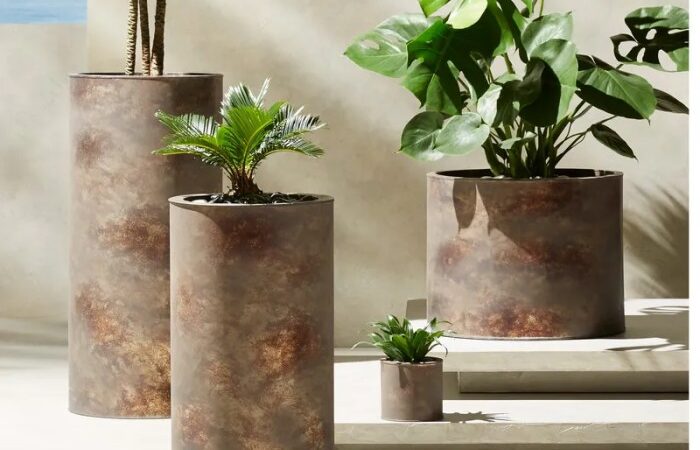
Decorative large outdoor planters transform outdoor spaces, adding pops of color, texture, and visual interest. From sleek modern designs to rustic charm, the possibilities are endless. This guide explores the diverse world of large planters, covering everything from material selection and manufacturing to design considerations, placement, and ongoing care. We’ll delve into various styles, explore sustainable options, and offer practical tips to help you choose and maintain the perfect planters for your outdoor oasis.
Whether you’re a seasoned landscaper or a weekend gardener, understanding the nuances of large outdoor planters is key to creating a beautiful and thriving outdoor environment. We’ll cover everything from the aesthetic appeal of different materials and shapes to the practicalities of choosing the right location and ensuring long-term durability. Get ready to elevate your outdoor space with stunning and functional planters!
Large Decorative Outdoor Planters: A Comprehensive Guide: Decorative Large Outdoor Planters
Large outdoor planters offer a fantastic way to enhance your landscape’s aesthetic appeal, adding pops of color, texture, and visual interest. This guide delves into the various aspects of selecting, installing, and maintaining these statement pieces, ensuring your outdoor space thrives with beauty and functionality.
Types of Decorative Large Outdoor Planters

Source: kinseyfamilyfarm.com
Several styles of large outdoor planters cater to diverse tastes and landscaping needs. Each boasts unique material properties and aesthetic characteristics, influencing both their durability and visual impact.
| Style | Material | Aesthetic | Typical Size Range (Diameter x Height) |
|---|---|---|---|
| Classic Urn | Stone (concrete, terracotta), fiberglass | Formal, elegant, traditional | 24″-48″ x 24″-48″ |
| Modern Cube | Metal (steel, aluminum), concrete | Clean lines, minimalist, contemporary | 20″-36″ x 20″-36″ |
| Rustic Wooden Tub | Cedar, redwood, reclaimed wood | Natural, warm, inviting | 24″-48″ x 18″-30″ |
| Sleek Resin Planter | Fiberglass, plastic resin | Versatile, customizable colors, contemporary | 18″-40″ x 18″-40″ |
| Ornate Ceramic Planter | Ceramic, glazed pottery | Intricate detailing, artistic, eye-catching | 18″-36″ x 18″-36″ |
Comparing Durability and Maintenance:
- Concrete: Highly durable, and weather-resistant, but can crack if dropped or subjected to extreme temperature fluctuations. Requires minimal maintenance beyond occasional cleaning.
- Wood: Requires regular sealing and treatment to protect against rot and insect damage. Offers a natural, warm aesthetic but needs more upkeep than concrete or metal.
- Metal: Durable and weather-resistant, but can rust or corrode without proper coatings. Generally requires less maintenance than wood but may need occasional repainting.
Design elements like shape, texture, and color significantly influence a planter’s visual appeal. Rounded shapes create a softer feel, while geometric shapes offer a modern touch. Textured surfaces add depth and visual interest, while color choices complement existing landscaping or create striking contrasts.
Materials and Manufacturing Processes

Source: harrodhorticultural.com
Understanding the manufacturing processes and sustainability aspects of different planter materials is crucial for making informed choices.
Fiberglass planters are often manufactured using a mold and resin process, offering lightweight yet durable options. Advantages include a wide range of colors and shapes and resistance to cracking. However, fiberglass isn’t biodegradable.
| Material | Environmental Impact |
|---|---|
| Recycled Plastic | Low impact; reduces plastic waste, but manufacturing still requires energy. |
| Sustainably Sourced Wood | Relatively low impact if sourced responsibly; biodegradable, but susceptible to rot without proper treatment. |
| Concrete | Moderate impact; cement production has a carbon footprint, but concrete is durable and long-lasting. |
Preparing a Wooden Planter:
- Sand the wood to smooth any rough surfaces.
- Apply a wood preservative to protect against rot and insects.
- Apply a high-quality exterior-grade paint or sealant for weather protection.
- Allow adequate drying time between coats.
Design and Placement Considerations
Integrating large planters effectively requires careful consideration of design and placement to achieve a harmonious and visually appealing landscape.
Landscaping Schemes:
- Mediterranean Theme (Large Terracotta Urn): Lavender, rosemary, olive trees. These plants thrive in sunny locations and complement the urn’s classic style.
- Tropical Oasis (Modern Cube Planter): Bird of paradise, bromeliads, ferns. The planter’s clean lines contrast beautifully with the lush tropical foliage.
- Zen Garden (Rustic Wooden Tub): Bamboo, hostas, moss. The natural wood complements the serene atmosphere of a Zen garden, creating a peaceful setting.
Planter size and shape influence visual balance. Larger planters create strong focal points, while smaller ones can be used to fill gaps. Combining various shapes adds visual interest and prevents monotony.
Placement factors include sunlight exposure (choosing sun-loving or shade-tolerant plants accordingly), soil drainage (ensuring proper drainage to prevent root rot), and proximity to structures (avoiding placement too close to buildings to prevent damage).
Care and Maintenance, Decorative large outdoor planters
Regular maintenance ensures your planters remain beautiful and functional for years to come.
| Planter Type | Maintenance Schedule |
|---|---|
| Concrete | Clean annually; repair cracks promptly. |
| Wood | Reseal every 1-2 years; clean regularly; treat for pests as needed. |
| Metal | Clean and repaint as needed (every 2-3 years); check for rust. |
Protection from extreme weather includes using covers during frost, providing shade during intense heat, and securing planters to prevent wind damage.
Addressing common issues involves patching cracks with appropriate fillers, repainting or resealing to address discoloration, and treating pest infestations with suitable insecticides or organic methods.
Illustrative Examples

Source: kinseyfamilyfarm.com
Several examples illustrate the versatility of large outdoor planters.
1: A 36″ diameter, 30″ high, glazed ceramic planter in a vibrant turquoise, featuring intricate floral detailing, houses a cascading mix of petunias and trailing lobelia.
2: A 48″ diameter, 24″ high, rustic wooden tub planted with a variety of drought-tolerant succulents, creating a low-maintenance, visually striking display.
3: A 30″ square, 30″ high, sleek black metal planter featuring a collection of vibrant annuals, strategically placed to create a bold focal point in a modern patio setting.
1: A rooftop garden utilizes several large rectangular concrete planters to define different seating areas and plant zones, creating a cohesive and functional space.
2: A public park features a series of large, ornate ceramic planters, strategically placed along a walkway, showcasing a rotating display of seasonal blooms.
3: A patio area utilizes a collection of oversized fiberglass planters in various shapes and sizes, adding visual interest and creating a layered landscape.
Visual Representation: A 40″ diameter, 36″ high, ornate ceramic planter in a deep terracotta color features intricate hand-painted floral designs in shades of gold and cream. The planter sits on a pedestal and houses a large, flowering hibiscus plant.
Final Summary
Source: sunset02.com
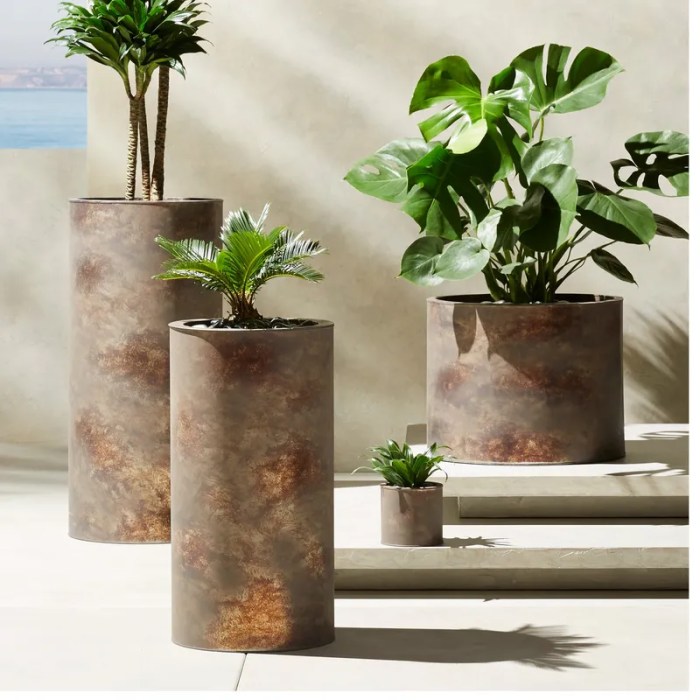
Creating a stunning outdoor space with large decorative planters is a rewarding experience. By carefully considering the planter’s style, material, placement, and ongoing maintenance, you can transform your yard, patio, or balcony into a vibrant and welcoming environment. Remember to choose plants that complement your planters and thrive in your climate, and don’t be afraid to experiment with different designs and arrangements to create a truly unique look. With a little planning and effort, your outdoor planters will be the envy of the neighborhood for years to come!
Expert Answers
What’s the best way to water large outdoor planters?
Water deeply and less frequently, allowing the soil to dry slightly between waterings. Avoid overwatering, which can lead to root rot.
How do I prevent pests and diseases in my planters?
Use well-draining soil, inspect plants regularly for pests, and treat infestations promptly with appropriate methods. Proper spacing between plants also helps improve air circulation and reduce disease.
Can I move large planters once they’re filled with soil and plants?
It’s best to place large planters in their final location before planting. Moving them once established can damage roots and the planter itself. If you must move one, do it carefully with help.
What are some creative ways to use large planters besides planting flowers?
Use them as standalone sculptures, fill them with gravel and candles for ambiance, or even use them as unusual seating arrangements (ensure they are sturdy enough).
How often should I clean my large outdoor planters?
Regularly remove debris and dead leaves. A thorough cleaning, potentially with a mild soap solution, should be done at least once a year, or more often if needed.
Comments are closed.