Contemporary Wooden Planters A Design Guide

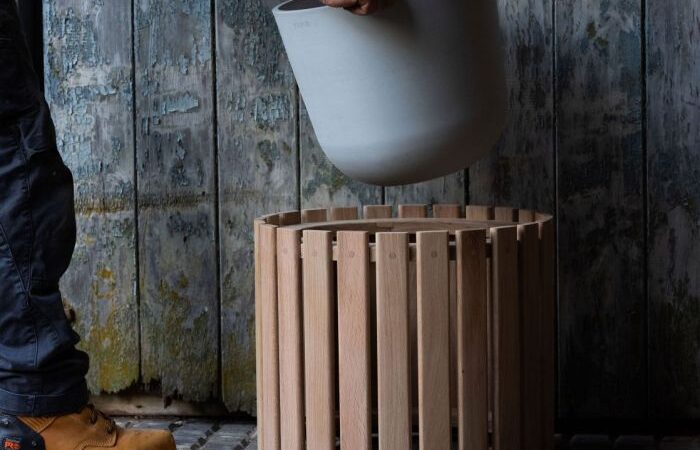
Contemporary wooden planters are more than just containers; they’re design statements, bringing warmth and natural beauty to any space. From sleek minimalist designs to rustic farmhouse styles, wood’s versatility allows for a wide range of aesthetic expressions. This guide explores these stylish and functional planters’ current trends, construction techniques, practical applications, and decorative possibilities.
We’ll delve into the diverse materials used, examining the sustainability of sourcing and the unique properties of different wood types. We’ll also cover essential construction techniques, explore various planter sizes and shapes to suit different plant needs and discuss how to prevent common issues like rot and insect infestation. Get ready to discover how to choose, care for, and creatively display your contemporary wooden planters!
Contemporary Wooden Planters: Design, Construction, and Trends
Source: etsystatic.com
Wooden planters offer a timeless and versatile way to enhance any garden or indoor space. Their natural beauty, durability, and eco-friendly nature make them a popular choice among gardeners and interior designers alike. This article explores the current trends in contemporary wooden planter design, construction techniques, functionality, aesthetic aspects, and market dynamics.
Design Trends in Contemporary Wooden Planters
Source: diyhuntress.com
Contemporary wooden planter design encompasses a wide range of styles, shapes, and finishes, reflecting evolving aesthetic preferences and material innovations.
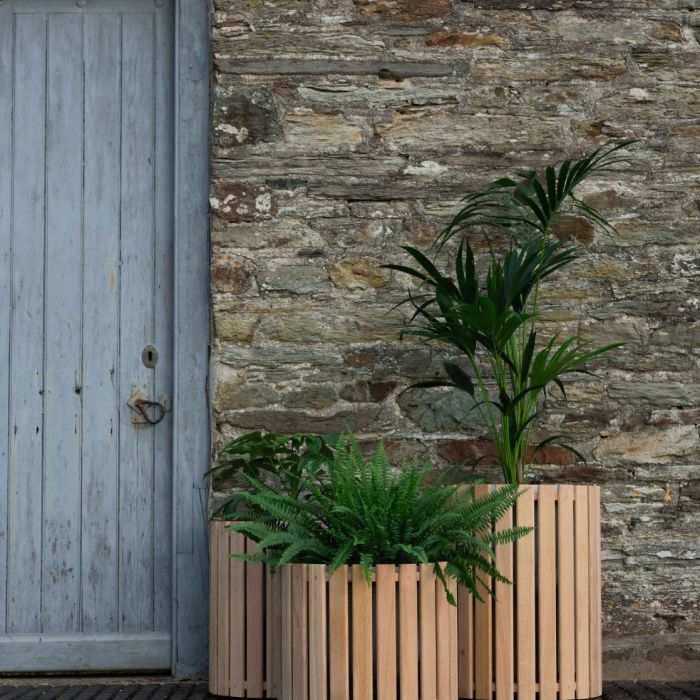
Popular Styles and Shapes: Current trends favor clean lines and minimalist designs, alongside rustic and modern interpretations. Popular shapes include rectangular, square, cylindrical, and even uniquely shaped planters that mimic natural forms. Many designs incorporate geometric patterns or subtle curves for a contemporary feel.
Prevalent Wood Types: Cedar, teak, redwood, and reclaimed wood are commonly used due to their durability, weather resistance, and aesthetic appeal. Cedar is prized for its aromatic qualities and natural resistance to decay. Teak offers exceptional weather resistance and strength. Redwood’s rich color and durability make it a popular choice, while reclaimed wood provides a sustainable and unique aesthetic.
Finishes and Treatments: A variety of finishes and treatments are applied to enhance the wood’s durability and visual impact. Natural oils enhance the wood’s grain and provide water resistance. Stains add color and depth, while paints offer a wider range of color options. Some planters receive a sealant to protect against moisture and insect damage. The choice of finish influences both the planter’s longevity and its overall aesthetic.
| Design Aesthetic | Shape | Wood Type | Finish |
|---|---|---|---|
| Minimalist | Clean lines, geometric shapes (e.g., cube, cylinder) | Light-colored wood (e.g., pine, birch) | Natural oil or clear sealant |
| Rustic | Irregular shapes, natural edges | Reclaimed wood, weathered wood | Natural finish, possibly with a protective sealant |
| Modern | Sleek lines, geometric shapes, potentially with metal accents | Teak, walnut | Stain, paint, or a combination |
Materials and Construction Techniques
Source: co.uk
The sustainability and craftsmanship involved in creating contemporary wooden planters are key aspects influencing their appeal.
Sustainability and Sourcing: Increasingly, consumers prioritize sustainably sourced wood, often opting for reclaimed wood or wood certified by organizations like the Forest Stewardship Council (FSC). This ensures that the wood comes from responsibly managed forests.
Joinery Methods: Various joinery techniques are employed, including mortise and tenon joints, dowel joints, and more contemporary methods like using screws concealed within the wood. The choice of joint impacts both the planter’s strength and its aesthetic appeal. Mortise and tenon joints, for example, offer superior strength and a more traditional look.
Advantages and Disadvantages of Wood Types: Cedar is lightweight and naturally resistant to rot, but may require more frequent oiling. Teak is incredibly durable and weather-resistant but can be expensive. Redwood offers a good balance of durability and aesthetics but is less naturally resistant to rot than cedar or teak.
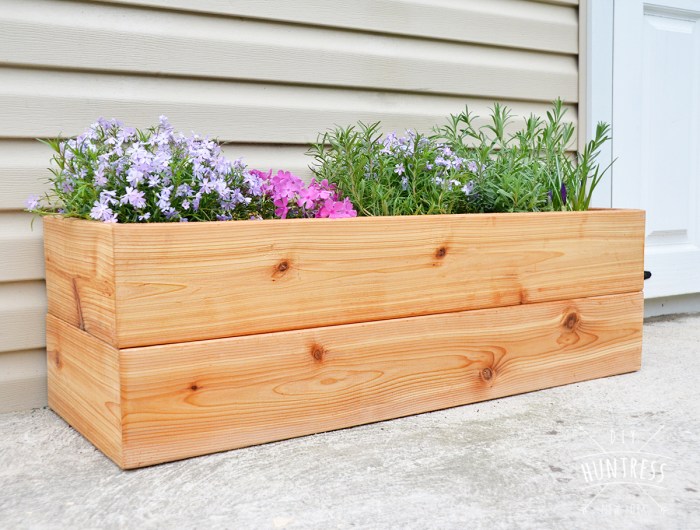
Simple Wooden Planter Construction Plan: A simple rectangular planter can be built using four planks of cedar or redwood, joined using exterior-grade wood glue and screws. Pre-drill holes to prevent wood splitting. The bottom can be created from a single piece of plywood or by using additional planks. Drainage holes should be drilled in the bottom.
Functionality and Practical Applications
The functionality of a wooden planter is crucial, impacting its usability and longevity.
Planter Sizes and Shapes for Plant Types: Larger planters are suitable for larger plants and trees, while smaller planters are ideal for herbs, flowers, and succulents. The shape of the planter can also influence the type of plant that thrives best within it. Deep planters are better suited for plants with deep root systems.
Functionality-Enhancing Features: Drainage holes are essential to prevent root rot. Integrated watering systems can help maintain consistent moisture levels. Raised legs elevate the planter, improving air circulation and preventing waterlogging. Liners can protect the wood from moisture damage.
Wooden Planters in Different Gardening Contexts: Wooden planters are versatile and can be used on patios, balconies, decks, and even indoors. Their natural aesthetic complements various garden styles, from formal to informal.
Common Issues and Preventative Measures: Rot and insect infestation are common issues. Using pressure-treated wood or applying a protective sealant can mitigate these risks. Regular cleaning and inspection can help prevent problems.
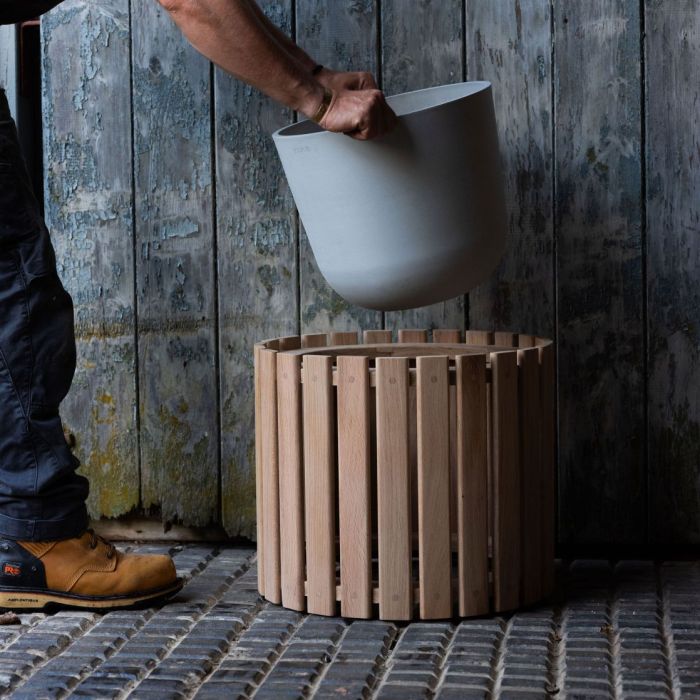
Aesthetic and Decorative Aspects, Contemporary wooden planters
Source: co.uk
The aesthetic appeal of wooden planters is significantly influenced by various factors.
Influence of Color, Texture, and Grain Patterns: The natural color, texture, and grain patterns of the wood contribute significantly to the overall aesthetic. The choice of wood and finish can greatly influence the planter’s visual impact.
Personalization and Customization: Planters can be personalized through painting, staining, carving, burning, or adding decorative elements like metal accents or mosaic tiles. This allows for unique and expressive designs.
Integration into Design Schemes: Wooden planters seamlessly integrate into various outdoor and indoor design schemes. Their natural warmth complements both modern and traditional styles.
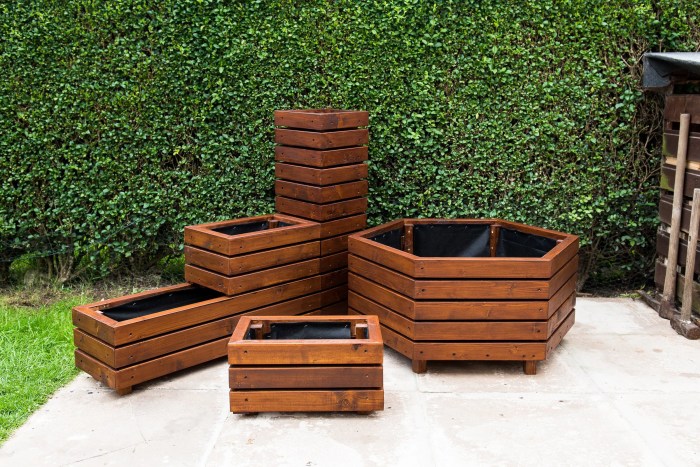
Arranging and Displaying Multiple Planters: Multiple planters can be arranged in a variety of ways to create visually appealing displays. For instance, a staggered arrangement of varying heights and sizes can add dynamism. Choosing plants with complementary colors and textures further enhances the visual appeal. A grouping of smaller planters on a patio table, or a tiered arrangement of varying sizes against a wall, are examples of effective displays.
Market and Consumer Trends
The market for contemporary wooden planters is influenced by several factors.
Factors Influencing Consumer Demand: Sustainability concerns, a preference for natural materials, and the desire for unique and aesthetically pleasing garden features are key drivers of demand. The increasing popularity of urban gardening and balcony gardening also contributes to the market’s growth.
Price Range and Market Segmentation: The price range varies significantly depending on the wood type, size, design complexity, and craftsmanship. Market segments range from budget-friendly options to high-end, custom-made planters.
Role of Online Platforms and Retail Channels: Online marketplaces and e-commerce platforms play a significant role in the distribution of contemporary wooden planters, alongside traditional garden centers and home improvement stores.
Last Word
Whether you’re a seasoned gardener or a design enthusiast, contemporary wooden planters offer a unique blend of functionality and aesthetic appeal. By understanding the design trends, construction techniques, and practical considerations discussed here, you can confidently select and incorporate these versatile planters into your indoor or outdoor spaces. From choosing the right wood and size to personalizing your planter with paint or carving, the possibilities are as limitless as your creativity. Embrace the natural beauty and enduring style of contemporary wooden planters and transform your environment.
General Inquiries
How often should I water plants in wooden planters?
Watering frequency depends on the plant, pot size, and weather. Check soil moisture regularly; water when the top inch feels dry.
How do I prevent my wooden planter from cracking?
Avoid extreme temperature fluctuations. Use a high-quality wood sealant to protect against moisture damage, which can cause cracking.
What kind of soil is best for wooden planters?
Use a well-draining potting mix to prevent waterlogging, which can lead to root rot. Amend heavy clay soils with perlite or vermiculite.
Can I leave my wooden planters outside year-round?
It depends on the wood type and climate. Some woods are more weather-resistant than others. Consider using a protective sealant and storing planters indoors during harsh winters or extreme heat.
How do I clean my wooden planter?
Use a mild soap and water solution. Avoid harsh chemicals that can damage the wood. Rinse thoroughly and allow to dry completely.
Comments are closed.