Contemporary Raised Planters Design & Style

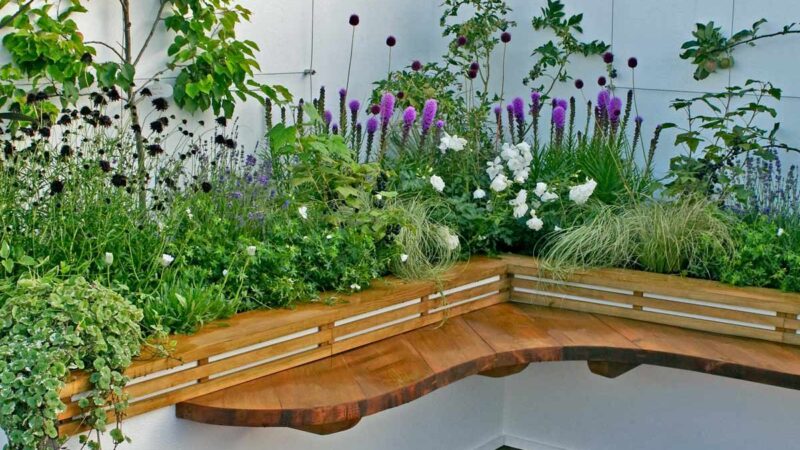
Contemporary raised planters are transforming outdoor spaces, offering a blend of functionality and aesthetic appeal. From sleek minimalist designs to bold maximalist statements, these planters offer versatile solutions for gardeners of all levels. We’ll explore the latest design trends, construction techniques, and maintenance tips to help you create the perfect raised planter for your garden, balcony, or patio.
This guide covers everything from choosing the right materials (wood, metal, concrete, or plastic) and building your planter, to understanding drainage, and pest control, and integrating your planters seamlessly into your existing landscape. Whether you’re a seasoned gardener or just starting, you’ll find practical advice and inspiration here.
Design Trends in Contemporary Raised Planters
Contemporary raised planters have exploded in popularity, transforming outdoor spaces and adding a touch of modern design to gardens and patios everywhere. Their versatility allows for creative expression, reflecting current trends in materials, shapes, and aesthetics. This section will explore some key design trends shaping the contemporary raised planter landscape.
Popular Materials in Contemporary Raised Planter Design
The choice of material significantly impacts a planter’s aesthetic and longevity. Currently, several materials dominate the market, each offering unique advantages. Corten steel, with its rust-like patina, provides a rugged, industrial look that softens over time. Its durability makes it ideal for long-lasting outdoor use. Concrete, another popular choice, offers a clean, modern aesthetic, available in a wide range of finishes from smooth and polished to textured and raw. Reclaimed wood, embracing sustainability, brings warmth and a rustic charm, adding a touch of natural beauty to any setting. Finally, composite materials, often mimicking the look of wood or stone, provide a low-maintenance, weather-resistant option.
Evolution of Planter Shapes and Sizes Over the Last Decade
Planter shapes and sizes have undergone a significant evolution. A decade ago, rectangular and square planters were prevalent. Today, however, there’s a greater emphasis on diverse forms. Curved and rounded planters, mimicking natural shapes, are increasingly popular, offering a softer, more organic aesthetic. The size range has also broadened; we see a move beyond uniformly sized planters to a wider variety. From petite planters suitable for windowsills to large, statement pieces dominating patios and gardens, there’s a planter to suit every space and need. For instance, the trend toward vertical gardening has fueled the rise of slim, tall planters designed to maximize space in smaller areas.
Minimalist and Maximalist Design Styles in Contemporary Raised Planters
Minimalist and maximalist styles represent opposing ends of the design spectrum, yet both find their place in contemporary raised planter design. These minimalist planters emphasize clean lines, simple shapes, and a neutral color palette. They often feature a single material and lack ornamentation, creating a sense of understated elegance. Think of a sleek, rectangular concrete planter in a muted grey, devoid of any extra detailing. Maximalist planters, on the other hand, embrace complexity and ornamentation. They might incorporate multiple materials, intricate carvings, vibrant colors, and even integrated lighting, resulting in a visually striking and dramatic piece. An example would be a planter constructed from a mix of reclaimed wood, metal accents, and vibrant mosaic tiles.
Color and Texture in Contemporary Raised Planter Design
Color and texture play a crucial role in creating visual interest and setting the overall tone of a space. The interplay between these elements can dramatically impact the overall aesthetic.
- Palette 1: Earthy Neutrals: This palette uses muted tones like terracotta, beige, and grey, often paired with rough-hewn textures such as unfinished wood or textured concrete. This creates a rustic, grounded feel, complementing natural landscapes.
- Palette 2: Vibrant Monochromes: This approach focuses on a single bold color, like deep teal or sunny yellow, using varying shades and textures within that color family. For example, a smooth, glossy teal planter could be paired with a textured, matte teal pot for a sophisticated look.
- Palette 3: Industrial Chic: This style combines cool metallics like steel grey and gunmetal with raw textures such as rusted metal or exposed concrete. The contrast between smooth and rough surfaces creates a visually compelling industrial aesthetic.
Materials and Construction Techniques
Source: gardeningsoul.com
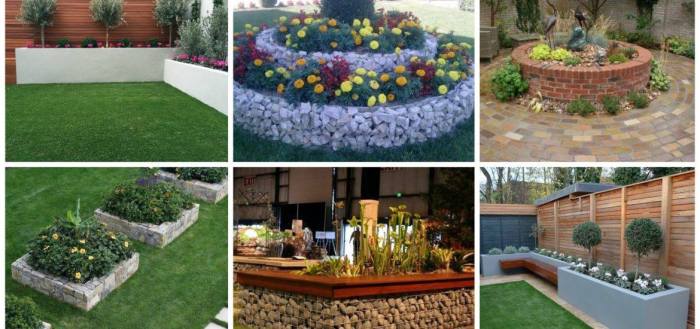
Choosing the right materials for your raised planter is crucial for its longevity, aesthetic appeal, and overall functionality. Different materials offer unique advantages and disadvantages, impacting both the construction process and the planter’s lifespan. This section explores the pros and cons of common materials and provides a step-by-step guide for building a simple wooden planter.
Material Advantages and Disadvantages
Wood, metal, concrete, and plastic are popular choices for raised planters, each with its own set of benefits and drawbacks.
- Wood: Advantages include its natural aesthetic, relative ease of working with, and good insulation properties (beneficial for plant roots). Disadvantages include susceptibility to rot and insect damage if not properly treated, and the need for regular maintenance (staining, sealing). Examples of suitable woods include cedar, redwood, and pressure-treated pine.
- Metal: Metal planters, such as those made from galvanized steel or aluminum, are durable and resistant to rot and pests. However, they can be expensive, require more specialized tools for construction, and can get extremely hot in direct sunlight, potentially harming plants. They may also rust over time if not properly protected.
- Concrete: Concrete planters offer exceptional durability and longevity. They are resistant to rot, insects, and most weather conditions. However, they are heavy, require more specialized tools and skills to construct, and can be expensive depending on the type of concrete used. The material’s porous nature can lead to water retention issues if not properly sealed.
- Plastic: Plastic planters are lightweight, inexpensive, and readily available in various sizes and colors. They are also easy to clean and maintain. However, they are not as aesthetically pleasing as other materials, can degrade over time in harsh sunlight, and are not as environmentally friendly as other options. Recycled plastic options are becoming increasingly popular, offering a more sustainable alternative.
Building a Simple Wooden Raised Planter
This guide details the construction of a simple rectangular wooden planter.
| Steps | Materials | Tools | Notes |
|---|---|---|---|
| 1. Cut lumber to size. | Untreated lumber (e.g., cedar, redwood), screws, landscape fabric | Measuring tape, saw (circular saw or hand saw), drill, screwdriver | Ensure all cuts are precise and at 90-degree angles for a neat fit. |
| 2. Assemble the frame. | Clamps | Use screws to join the boards, pre-drilling pilot holes to prevent splitting. | |
| 3. Attach the bottom. | Consider using landscape fabric to line the bottom to prevent soil from escaping and improve drainage. | ||
| 4. Stain or seal the wood (optional). | Wood stain or sealant | Paintbrush, roller | This will protect the wood from the elements and extend its lifespan. |
Innovative Construction Techniques
Beyond traditional methods, innovative techniques are employed to create unique and durable raised planters. These include using repurposed materials like shipping pallets or old barrels, incorporating integrated irrigation systems, and designing planters with curved or unusual shapes using advanced joinery techniques. The use of CNC routing allows for intricate designs and precise cuts in wood or other materials.
Creating a Raised Planter Using Recycled Materials
Repurposed materials offer a sustainable and cost-effective approach to building raised planters.
- Materials: Old pallets, reclaimed wood, recycled plastic containers (e.g., buckets, tubs), metal drums, or even large tires can be used.
- Methods: The method will depend on the chosen material. For example, pallets can be disassembled and their planks used to build a planter box. Plastic containers can be stacked and secured, or metal drums can be cut and repurposed. Always ensure the materials are clean and free from hazardous substances before use. Proper drainage should be considered in the design regardless of the recycled material used.
Functionality and Applications
Source: co.uk
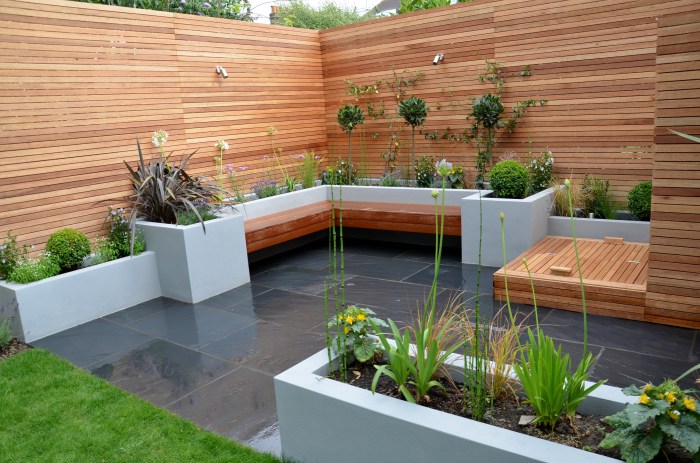
Raised planters offer a versatile and adaptable gardening solution, significantly expanding the possibilities for cultivation in diverse settings. Their functionality extends beyond simple containers, impacting accessibility, soil management, and overall gardening experience. This section explores the multifaceted applications of raised planters and their benefits.
Raised planters dramatically increase the practicality and enjoyment of gardening in a variety of contexts. Their use isn’t limited to aesthetics; they solve real-world problems and unlock opportunities for gardeners of all abilities and locations.
Residential Garden Applications, Contemporary Raised Planters.
Raised planters provide a structured and organized approach to home gardening. They are perfect for smaller yards where space is at a premium, allowing for efficient use of available areas. They also offer the ability to create distinct gardening zones, separating herbs from vegetables, for example, or even incorporating different soil types for specific plant needs. The contained nature of raised beds simplifies weed control and makes maintenance significantly easier. Additionally, raised beds can be incorporated seamlessly into existing landscaping designs, adding visual interest and functionality.
Urban Farming and Community Gardens
In urban environments, raised planters are invaluable for maximizing food production in limited spaces. Rooftop gardens, balconies, and even unused patches of land can be transformed into productive food sources using raised planter systems. The controlled environment they provide allows for better management of soil quality and irrigation, leading to higher yields. Community gardens often utilize raised planters to create accessible and shared gardening spaces, fostering a sense of community and promoting sustainable food practices. The ease of maintenance and shared responsibility inherent in raised bed systems is ideal for collaborative gardening projects.
Accessibility Improvements for Gardeners
Raised planters significantly enhance accessibility for gardeners with mobility limitations. By elevating the planting area, gardeners can avoid bending and kneeling, reducing strain and making gardening more comfortable and achievable. The contained nature of the beds also means less bending and reaching to tend plants, improving overall ease of access. The height of the planter can be customized to suit the individual’s needs, ensuring optimal comfort and usability. For example, a wheelchair user could have a planter built at a height suitable for tending to plants while seated.
Small Balcony Garden Design
Designing a raised planter system for a small balcony requires careful consideration of space and weight. Here’s a suggested design:
- Dimensions: A modular system of three 30cm x 60cm x 30cm (W x L x H) planters, allowing for flexibility and arrangement to suit the balcony’s dimensions. This size is manageable for a smaller balcony and provides ample growing space.
- Materials: Use lightweight yet durable cedar wood for the planter boxes. Cedar naturally resists rot and insects, minimizing maintenance. Alternatively, treated pine or composite materials could also be used.
- Construction: Simple box construction with robust joints is sufficient. Ensure proper drainage holes are included in the base of each planter to prevent waterlogging.
- Soil: Use a high-quality potting mix formulated for containers, ensuring good drainage and aeration.
- Placement: Strategically position the planters to maximize sunlight exposure and ensure adequate spacing for plant growth.
Improved Soil Drainage and Aeration
Raised planters contribute significantly to improved soil drainage and aeration. The elevated position promotes better water drainage, preventing waterlogging which can damage plant roots. Well-drained soil also allows for better aeration, supplying roots with the necessary oxygen for healthy growth. This is particularly beneficial in clay soils which tend to retain water and become compacted, hindering root development. The ability to easily amend the soil within the raised bed further enhances drainage and aeration by allowing for the incorporation of materials like perlite or vermiculite. This controlled environment makes it easier to maintain ideal soil conditions for optimal plant health. For example, raised beds filled with a well-draining mix can significantly improve the success rate of growing plants that are sensitive to wet conditions.
Maintenance and Care
Keeping your contemporary raised planters looking their best and functioning properly requires regular attention. Ignoring maintenance can lead to a variety of problems, impacting both the aesthetics and the health of your plants. This section articulates common issues, preventative measures, and a schedule to keep your planters thriving.
Common Problems and Solutions
Several issues can arise with raised planters, depending on the material and environment. These problems range from simple drainage issues to more serious structural damage. Addressing them promptly is key to planter longevity.
- Drainage Problems: Poor drainage leads to root rot and other plant diseases. Ensure planters have adequate drainage holes and consider adding a layer of gravel or broken pottery at the bottom for improved water flow. Regularly check for clogs.
- Pest Infestations: Insects, slugs, and other pests can damage plants. Regularly inspect plants for signs of infestation and address problems promptly using appropriate organic or chemical pest control methods. Consider preventative measures such as companion planting.
- Material Degradation: Wood planters can rot, metal planters can rust, and concrete planters can crack. Regular cleaning and protective treatments (e.g., sealant for wood, rust-resistant paint for metal) can significantly extend their lifespan. Address any cracks or damage promptly with appropriate repairs.
- Waterlogging: Overwatering can lead to waterlogged soil, suffocating plant roots. Ensure your planter has adequate drainage and avoid overwatering. Monitor soil moisture regularly.
- Nutrient Depletion: Plants will deplete nutrients from the soil over time. Regular fertilization, using appropriate organic or synthetic fertilizers, is essential for healthy plant growth. Consider soil testing to determine nutrient levels.
Maintenance Schedule
A regular maintenance schedule tailored to your planter’s material will ensure its longevity and the health of your plants. The frequency of tasks may need adjustment depending on your climate and the specific needs of your plants.
| Planter Type | Task | Frequency | Notes |
|---|---|---|---|
| Wood | Inspect for rot, cracks, loose boards | Monthly | Repair or replace damaged sections as needed. Apply wood sealant every 1-2 years. |
| Metal | Inspect for rust, scratches, and damage | Monthly | Touch up rust spots with rust-resistant paint. Repair any damage promptly. |
| Concrete | Inspect for cracks, chips | Annually | Repair any cracks or chips using the appropriate concrete patching compound. |
| All Types | Clean the planter and remove debris | Weekly | Remove weeds, dead leaves, and other debris. |
| All Types | Check drainage | Weekly | Ensure drainage holes are clear and water drains properly. |
| All Types | Inspect plants for pests and diseases | Weekly | Treat any infestations or diseases promptly. |
| All Types | Water as needed | Daily (or as needed) | Monitor soil moisture and water when the top inch of soil feels dry. |
| All Types | Fertilize as needed | Monthly (or as needed) | Follow fertilizer instructions carefully. |
Winter Preparation
Preparing your raised planters for winter is crucial to protect them from damage and ensure their longevity. The specific steps will depend on your climate and the type of planter.
- Empty and Clean: Remove all plants and soil. Thoroughly clean the planter to remove any debris, pests, or diseases. Allow to dry completely.
- Protective Treatments: Apply a fresh coat of wood sealant to wooden planters, and touch up any rust on metal planters with rust-resistant paint. For concrete planters, ensure any cracks are repaired.
- Storage: Store wooden and metal planters in a dry, sheltered location to prevent damage from frost and moisture. Concrete planters can generally remain outdoors but consider covering them if heavy frost is expected.
Aesthetic Integration into Outdoor Spaces
Source: familyhandyman.com
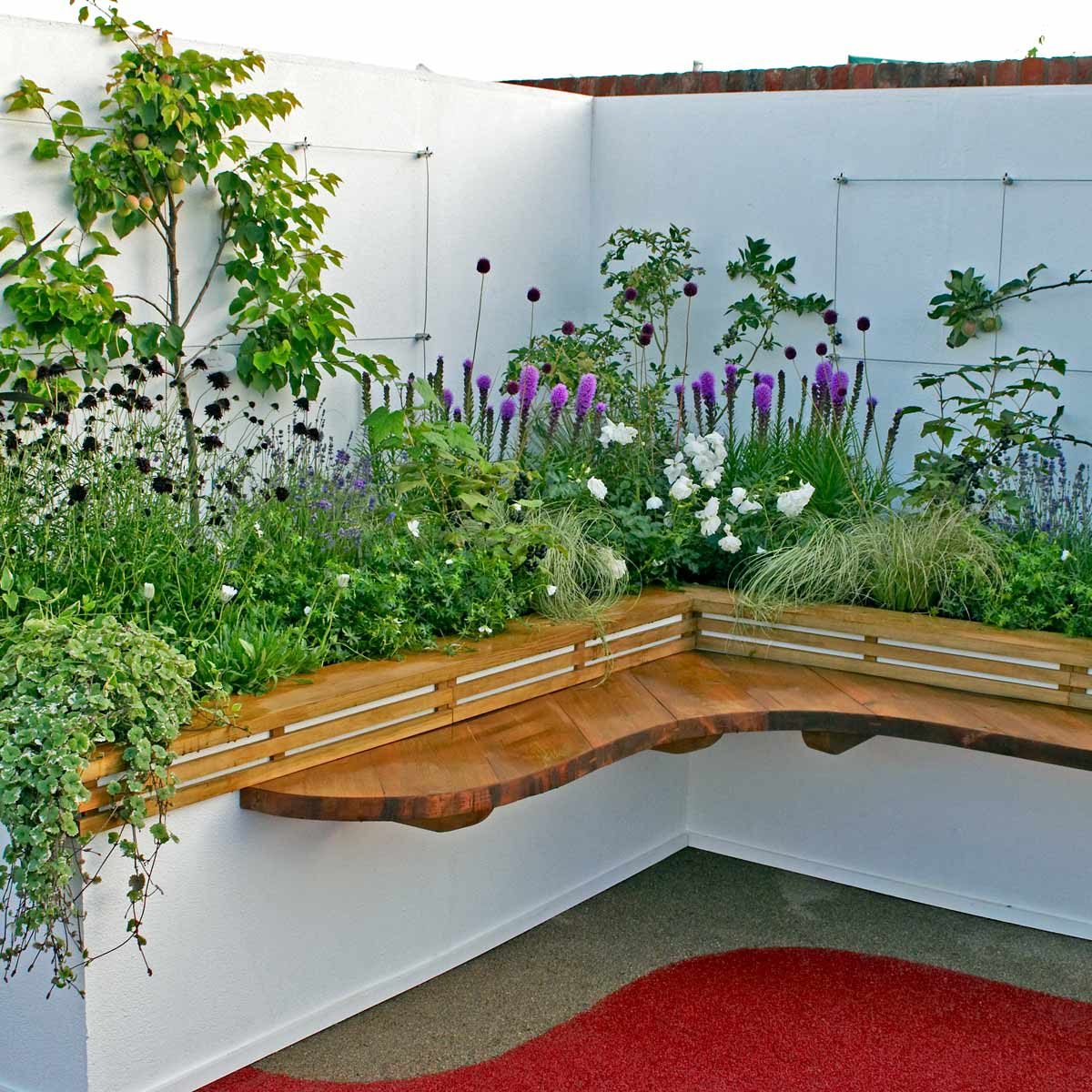
Raised planters offer a fantastic opportunity to elevate the aesthetic appeal of any outdoor space, transforming a simple garden or patio into a visually stunning and functional area. Their versatility allows for seamless integration into diverse design schemes, adding texture, color, and height to enhance the overall landscape. Careful consideration of planter style, material, and placement is key to achieving a harmonious and pleasing result.
Raised planters can be strategically used to create compelling focal points within a garden or landscape. By positioning a striking planter filled with vibrant blooms or unique foliage as a central feature, you draw the eye and create a sense of visual interest. This technique is especially effective in larger gardens where a focal point helps to organize and define different areas. Conversely, clusters of smaller planters can be used to create a more informal, natural look, adding visual texture and breaking up large expanses of lawn or paving.
Integrating Raised Planters into Existing Garden Designs
Integrating raised planters into an existing garden design requires careful consideration of the existing elements. Matching the style of the planter to the overall garden aesthetic is crucial for a cohesive look. For example, a sleek, modern planter would complement a minimalist garden design, while a rustic, wooden planter would be more suitable for a cottage-style garden. The size and scale of the planter should also be considered for the surrounding plants and structures. Too large a planter can overwhelm a small space, while too small a planter can get lost in a large garden. Consider using planters to delineate different areas within the garden, such as separating a vegetable patch from a flower bed or creating a defined pathway.
Enhancing the Aesthetic Appeal of Patios and Decks with Raised Planters
Raised planters can dramatically enhance the visual appeal of patios and decks. The visual impact of a planter is heavily influenced by its color, shape, and texture. A vibrant terracotta planter filled with cascading petunias can inject a burst of color into a neutral-toned patio. Conversely, a sleek, black metal planter filled with architectural grasses can add a touch of modern sophistication. The texture of the planter material also plays a role – a rough-hewn stone planter adds a rustic charm, while a smooth, polished concrete planter offers a contemporary feel. The relationship between the planter and surrounding elements is crucial; for example, a grouping of planters in varying heights and sizes can create a dynamic and visually interesting display, while a single, large planter can serve as a statement piece.
Examples of Successful Planter Integration into Different Garden Styles
The following examples illustrate how raised planters can successfully complement diverse garden styles. Careful selection of planter material, size, and planting scheme is key to achieving a harmonious and visually appealing result.
- Modern Garden: Sleek, geometric concrete planters filled with low-maintenance succulents and grasses create a minimalist and sophisticated look. The clean lines of the planters complement the overall modern aesthetic, and the drought-tolerant plants require minimal upkeep.
- Cottage Garden: Rustic, wooden planters overflowing with colorful annuals and herbs create a charming and informal atmosphere. The natural texture of the wood complements the whimsical character of the cottage garden style.
- Formal Garden: Symmetrically placed, ornate stone planters filled with meticulously arranged flowering shrubs create a sense of order and elegance. The formality of the planters and planting scheme enhances the overall structured design of the formal garden.
- Mediterranean Garden: Terracotta pots and planters filled with drought-tolerant herbs and succulents evoke the sun-drenched landscapes of the Mediterranean. The warm tones of the terracotta complement the earthy palette of the garden.
Ultimate Conclusion
Creating stunning and functional raised planters is achievable with the right knowledge and planning. By considering design trends, material choices, construction techniques, and ongoing maintenance, you can transform your outdoor space into a vibrant and productive garden. Remember to choose a style that complements your existing landscape and reflects your gardening aesthetic. Happy planting!
Popular Questions
How long do raised planters typically last?
Lifespan varies greatly depending on the material. Wood planters may last 5-10 years with proper maintenance, while metal and concrete can last much longer (20+ years).
What’s the best soil for raised planters?
Use a well-draining potting mix, not garden soil. A mix of peat moss, perlite, and compost works well.
How do I prevent weeds from growing in my raised planter?
Use landscape fabric as a weed barrier before adding soil. Regular weeding is still necessary.
Can I use raised planters in cold climates?
Yes, but you may need to take extra steps to protect plants during winter, such as covering the planter or moving frost-sensitive plants indoors.
Are raised planters expensive?
Costs vary widely depending on materials and size. Building your own is often more affordable than buying pre-made planters.
Comments are closed.