Contemporary Outdoor Lighting Design & Installation

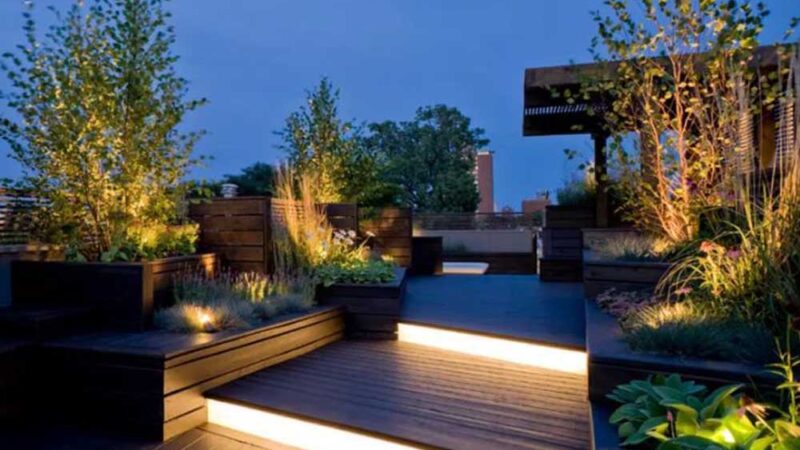
Contemporary outdoor lighting transforms outdoor spaces, moving beyond mere illumination to create a captivating ambiance. We’ll explore diverse styles—from minimalist sleekness to the rustic charm of modern farmhouses and delve into the latest lighting technologies, including energy-efficient LEDs and smart lighting solutions. This guide covers design considerations, material choices, installation techniques, and emerging trends, equipping you to create a stunning and functional outdoor lighting scheme.
This exploration will cover everything from choosing the right fixtures and materials to understanding the importance of ambient, task, and accent lighting in creating a balanced and visually appealing outdoor environment. We’ll also look at how to integrate your lighting with existing landscaping and architectural features for a cohesive and impactful design.
Contemporary Outdoor Lighting: A Stylish and Functional Guide
Contemporary outdoor lighting transcends mere illumination; it’s about crafting ambiance, enhancing architectural features, and boosting curb appeal. This guide explores the diverse world of contemporary outdoor lighting, from selecting the right fixtures to ensuring proper installation and maintenance. We’ll delve into different styles, materials, and technologies to help you create a stunning and functional outdoor lighting scheme.
Types of Contemporary Outdoor Lighting
Contemporary outdoor lighting encompasses a range of styles, each offering a unique aesthetic and functionality. Popular styles include minimalist, industrial, modern farmhouse, and more. The choice depends largely on your home’s architectural style and personal preferences.
| Style | Material | Typical Features | Example Applications |
|---|---|---|---|
| Minimalist | Metal (aluminum, stainless steel), Glass | Clean lines, simple shapes, and subtle details are often integrated into the architecture. | Pathway lighting, recessed lighting in decks, wall sconces on modern facades |
| Industrial | Metal (iron, steel), Concrete | Exposed bulbs, metallic finishes, rugged textures, often with a vintage or repurposed aesthetic | Pendant lights over outdoor dining areas, wall-mounted spotlights highlighting architectural details, and post lights along driveways. |
| Modern Farmhouse | Wood, Metal (black or bronze finishes), Glass | Combination of rustic and modern elements, often featuring natural materials with clean lines | Lantern-style lights on porches, string lights for patios, integrated lighting in fences or pergolas |
| Transitional | A mix of materials (metal, glass, wood) | Blends modern and traditional elements, creating a balanced and sophisticated look | Various applications, depending on specific design choices within the style |
Innovative lighting technologies, such as LED, solar, and smart lighting, significantly enhance contemporary outdoor designs. LEDs offer energy efficiency and long lifespans, solar lights provide eco-friendly solutions, and smart lighting allows for customized control and automation.
Energy efficiency is a key consideration. LED lights are significantly more energy-efficient than traditional incandescent bulbs, resulting in lower electricity bills and a reduced carbon footprint. Solar-powered lights eliminate the need for electrical wiring, further reducing energy consumption.
Design Considerations for Contemporary Outdoor Lighting
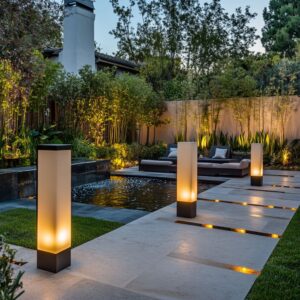
Effective outdoor lighting design involves a layered approach using ambient, task, and accent lighting to create a balanced and visually appealing atmosphere. Ambient lighting provides overall illumination, task lighting highlights specific areas for functionality, and accent lighting emphasizes architectural or landscaping features.
Sample Patio Lighting Plan: A small patio could incorporate low-voltage path lights along the perimeter for ambient lighting, pendant lights over the dining area for task lighting, and uplights to highlight a feature plant or wall for accent lighting. Fixture placement should be strategic to avoid glare and create a welcoming atmosphere.
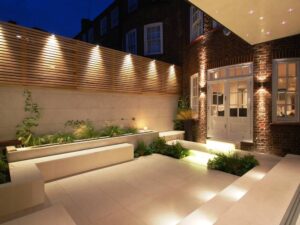
Integrating outdoor lighting with landscaping and architectural features is crucial for a cohesive design. Lighting can highlight the textures and colors of plants, emphasize the lines of buildings, and create a sense of depth and dimension in the outdoor space. A well-planned scheme enhances the overall aesthetic, making the space more inviting and enjoyable.
Materials and Finishes in Contemporary Outdoor Lighting
The choice of materials significantly impacts the durability, maintenance, and aesthetic appeal of outdoor lighting fixtures. Common materials include metal, glass, concrete, and wood, each possessing unique characteristics.
- Metal: Durable, weather-resistant (with proper finishes), offers a wide range of styles and finishes. Requires minimal maintenance.
- Glass: Elegant, allows for light diffusion, but can be fragile and requires careful handling. Regular cleaning may be needed.
- Concrete: Robust, long-lasting, offers a modern industrial aesthetic. Requires minimal maintenance but can be susceptible to cracking if not properly sealed.
- Wood: Natural, warm aesthetic, but requires regular maintenance to prevent rot and insect damage. Suitable for specific styles.
Popular finishes include matte black, brushed nickel, bronze, and copper. These finishes not only impact the aesthetic but also influence the fixture’s resistance to corrosion and weathering. A durable finish is essential for longevity.
Weather resistance and corrosion protection are paramount for outdoor lighting fixtures. Materials and finishes should be chosen to withstand exposure to the elements, preventing rust, fading, and damage.
Installation and Maintenance of Contemporary Outdoor Lighting
Installing outdoor lighting fixtures requires careful planning and adherence to safety precautions. Always disconnect power before working with electrical components.
- Plan the fixture placement and run wiring accordingly.
- Dig trenches for burying wiring (if necessary), following local regulations.
- Mount the fixtures securely to the designated locations.
- Connect the wiring, ensuring proper grounding.
- Test the fixtures to confirm functionality.
- Restore power and inspect the installation for any issues.
Tools and materials required typically include a shovel, wire strippers, electrical tape, wire connectors, mounting hardware, and a voltage tester. Always prioritize safety and consult with a professional electrician if needed.
Troubleshooting common problems involves checking for loose connections, faulty bulbs, and tripped circuit breakers. Regular cleaning and inspection can prevent many issues.
Contemporary Outdoor Lighting Trends
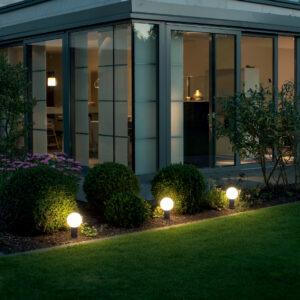
Current trends in contemporary outdoor lighting showcase a move towards integrated smart technology, sustainable materials, and minimalist designs. This contrasts with past styles that often featured ornate designs and less energy-efficient technologies.
A futuristic outdoor lighting concept might involve bioluminescent elements integrated into landscaping, creating a naturally illuminated pathway. Self-regulating smart lights could adapt to ambient light levels, maximizing energy efficiency while providing optimal illumination. The overall aesthetic would be seamless and environmentally conscious, with light subtly integrated into the environment.
End of Discussion: Contemporary Outdoor Lighting
Designing and installing contemporary outdoor lighting is more than just adding light; it’s about crafting an experience. By carefully considering style, technology, materials, and placement, you can create an outdoor space that is both beautiful and functional, extending the usability and enjoyment of your home well into the evening hours. Remember to prioritize energy efficiency and weather resistance for long-lasting beauty and performance. Let your creativity shine and illuminate your world!
Expert Answers
How often should I clean my outdoor lights?
Clean your outdoor lights at least twice a year, or more often if they’re in a dusty or dirty environment. Use a soft cloth and mild detergent.
What is the best way to protect outdoor lights from insects?
Use insect-repellent sprays designed for outdoor use, or consider fixtures with sealed or covered bulbs to deter insects from entering.
Can I use indoor lighting fixtures outdoors?
No, indoor lighting fixtures are not designed to withstand the elements and should never be used outdoors. Always choose fixtures specifically rated for outdoor use.
How do I choose the right bulb wattage for my outdoor lights?
The appropriate wattage depends on the size of the area you’re lighting and the desired brightness. Check the fixture’s specifications for maximum wattage recommendations.
What are the potential safety hazards of outdoor lighting installation?
Always turn off the power to the circuit before working on any electrical wiring. Be aware of overhead power lines and use caution when working near water.
Comments are closed.