Best Outdoor Lights for House A Buyers Guide

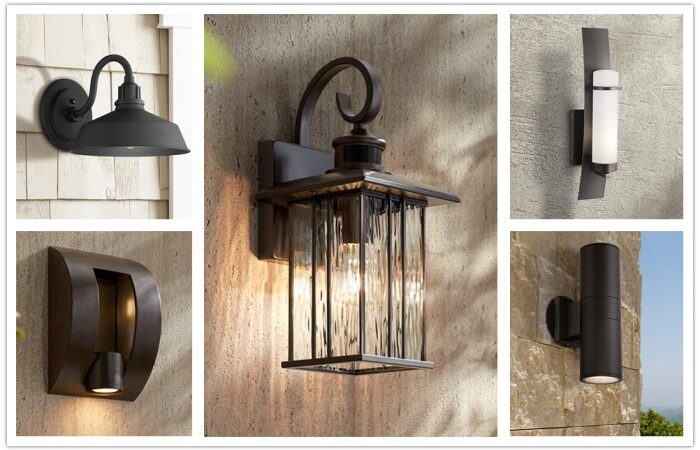
Best outdoor lights for the house? Finding the perfect illumination for your home’s exterior can transform its curb appeal and enhance safety. This guide dives into the world of outdoor lighting, exploring various types, styles, and smart features to help you choose the best options for your needs and aesthetic preferences. We’ll cover everything from energy-efficient LEDs to the ambiance-boosting magic of strategically placed spotlights, ensuring your home shines bright – literally and figuratively.
From classic path lights guiding guests to your doorstep to stylish wall sconces adding architectural interest, we’ll break down the pros and cons of different lighting types, helping you navigate the options available. We’ll also discuss important factors to consider like your home’s style, the surrounding landscaping, and the desired mood you want to create. Learn how to choose the right color temperature, material, and even smart features to create a truly stunning and functional outdoor lighting scheme.
Types of Outdoor House Lights
Choosing the right outdoor lighting can dramatically enhance your home’s curb appeal and security. Understanding the various types available is the first step. This section details different outdoor lighting options, their styles, and their pros and cons.
Different Types of Outdoor Lighting
Several types of outdoor lights cater to different needs and aesthetic preferences. Each offers unique benefits and drawbacks regarding energy efficiency, durability, and maintenance.
| Type | Style Examples | Typical Application | Wattage & Bulb Type |
|---|---|---|---|
| Path Lights | Modern (sleek metal), Traditional (cast iron), Rustic (wood and stone) | Lighting walkways, driveways, garden paths | 5-10W LED, low-voltage halogen |
| Floodlights | Modern (minimalist design), Traditional (larger, more ornate), Rustic (dark metal finishes) | Security lighting, illuminating large areas | 50-500W LED, Metal Halide |
| Spotlights | Modern (adjustable heads), Traditional (fixed position), Rustic (bronze or black finishes) | Highlighting architectural features, landscaping | 10-50W LED, halogen |
| String Lights | Modern (minimalist bulbs), Traditional (Edison bulbs), Rustic (fairy lights, globe lights) | Decorative lighting, patios, decks | Variable, LED, incandescent |
| Wall Sconces | Modern (geometric designs), Traditional (ornate designs), Rustic (wrought iron, wood) | Exterior wall illumination, entryways | 10-25W LED, halogen |
Benefits and Drawbacks of Different Lighting Types
The choice of lighting type depends heavily on individual needs and preferences. Here’s a summary of the key factors to consider.
- Path Lights: Energy-efficient (LED), low maintenance, enhanced safety.
- Floodlights: Wide area coverage, excellent security, can be energy-intensive if not LED.
- Spotlights: Targeted illumination, and highlight features, can be less energy-efficient than LEDs.
- String Lights: Versatile, decorative, relatively low energy consumption (LED).
- Wall Sconces: Elegant, improve curb appeal, can be expensive depending on material and style.
Factors to Consider When Choosing Outdoor Lights
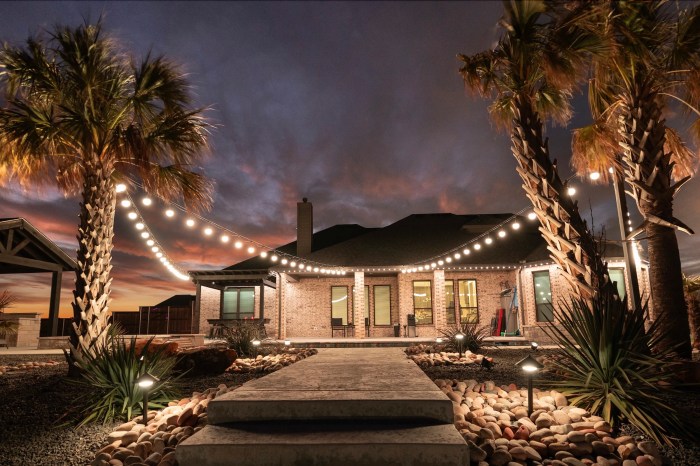
Source: framerusercontent.com
Selecting the right outdoor lights involves careful consideration of several key factors to ensure both functionality and aesthetic appeal.
Key Factors in Choosing Outdoor Lighting
The perfect outdoor lighting scheme considers your home’s style, landscape, desired ambiance, and safety requirements.
- House Style: Traditional homes suit classic styles, while modern homes benefit from minimalist designs.
- Landscaping: Consider the size and layout of your garden or yard to determine the appropriate lighting placement and type.
- Desired Ambiance: Warm white light creates a cozy atmosphere, while cool white light offers better visibility.
- Safety Needs: Well-lit pathways and entrances deter intruders and prevent accidents.
Light Color Temperature (Kelvin)
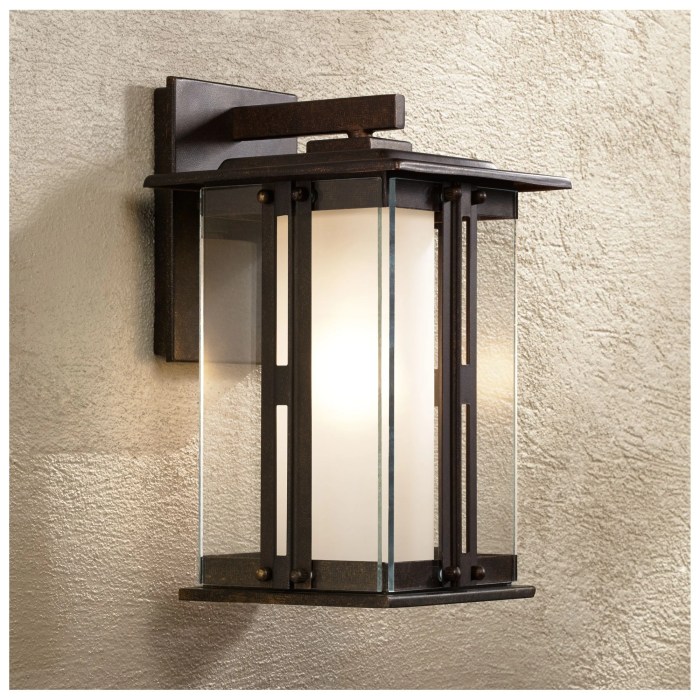
Source: walmartimages.com
Color temperature, measured in Kelvin (K), affects the perceived mood and visibility. Lower Kelvin values (2700K-3000K) produce warm, yellowish light, ideal for creating a welcoming atmosphere. Higher values (5000K-6500K) produce cool, bluish light, suitable for security and better visibility.
Light Fixture Material
The material of your outdoor light fixtures significantly impacts their durability and longevity. Weather resistance is crucial.
- Metal: Pros: Durable, weather-resistant (especially aluminum and stainless steel). Cons: Can rust or corrode if not properly treated.
- Plastic: Pros: Lightweight, inexpensive, easy to install. Cons: Less durable than metal, can fade or crack over time.
- Glass: Pros: Elegant, allows light to diffuse evenly. Cons: Can break easily, and requires careful handling.
Smart Outdoor Lighting Options
Smart lighting offers advanced control and convenience compared to traditional lighting systems. This section explores the features, benefits, and drawbacks of smart outdoor lighting.
Smart Lighting Features
The outdoor lights offer a range of features that enhance convenience and security.
- App Control: Control lights remotely from your smartphone or tablet.
- Voice Activation: Turn lights on/off using voice commands (e.g., Alexa, Google Assistant).
- Scheduling: Automate lighting schedules to mimic occupancy, and deter burglars.
- Motion Sensors: Lights activate automatically when motion is detected.
Smart vs. Traditional Lighting
This provides significant advantages over traditional systems, primarily in terms of convenience, energy efficiency, and security.
- Pros (Smart): Remote control, automation, energy savings, enhanced security.
- Cons (Smart): Higher initial cost, reliance on internet connectivity, potential security vulnerabilities.
Smart Lighting Scenario: Home Security and Energy Savings
Imagine a scenario where your smart outdoor lights automatically turn on at dusk, creating a welcoming ambiance. Motion sensors detect movement near your property, triggering bright spotlights to deter intruders. During the day, the lights remain off, saving energy. This system can be scheduled and controlled remotely, providing peace of mind even when you’re away from home.
Installation and Maintenance of Outdoor Lights
Proper installation and regular maintenance are crucial for ensuring the safety and longevity of your outdoor lighting.
Safe Installation of Outdoor Lights
Follow these steps for safe and effective installation:
- Turn off the power to the circuit at the breaker box.
- Plan the placement of your lights, considering safety and aesthetics.
- Mount the light fixtures securely using appropriate hardware.
- Connect the wiring according to the manufacturer’s instructions.
- Test the lights to ensure they are functioning correctly.
- Restore power to the circuit.
Maintenance Tips for Outdoor Lights
Regular maintenance extends the lifespan of your outdoor lights.
- Clean fixtures regularly to remove dirt and debris.
- Check wiring for damage or loose connections.
- Replace bulbs as needed.
- Inspect fixtures for corrosion or damage.
Troubleshooting Common Issues
Addressing common problems promptly prevents further damage.
- Flickering lights: Check bulb connections and wiring.
- Malfunctioning sensors: Clean the sensor lens, check battery levels (if applicable), or reset the sensor.
- Lights not turning on: Verify the power supply at the breaker box and check fuses or circuit breakers.
Creating Ambiance with Outdoor Lighting
Strategic lighting techniques can transform your home’s exterior, enhancing its beauty and creating a welcoming atmosphere. This section explores different lighting techniques and design ideas.
Lighting Techniques for Enhancing Curb Appeal
| Technique | Example | Effect | Fixture Type |
|---|---|---|---|
| Uplighting | Illuminating trees or building facades from below | Creates drama, highlights textures | Spotlights, path lights |
| Downlighting | Illuminating walkways or patios from above | Provides functional lighting, defines spaces | Floodlights, pendant lights |
| Layering | Combining uplighting, downlighting, and accent lighting | Creates depth, visual interest | Combination of different fixture types |
| Silhouetting | Backlighting trees or shrubs | Creates dramatic shadows, adds intrigue | Spotlights |
Lighting Design Ideas for Outdoor Spaces
- Patios: String lights, pendant lights, and wall sconces create a warm and inviting atmosphere.
- Walkways: Path lights provide safety and guidance.
- Gardens: Spotlights highlight flowers and plants, creating visual interest.
Outdoor Lighting Schemes
- Modern Minimalist: Clean lines, sleek fixtures (e.g., linear LED strips, recessed spotlights), cool white light (5000K-6500K).
- Warm and Inviting: Warm white light (2700K-3000K), traditional or rustic fixtures (e.g., wrought iron sconces, Edison bulb string lights), layered lighting for depth.
- Dramatic and Bold: Dramatic uplighting on architectural features, contrasting light and shadow, and a mix of warm and cool light temperatures for visual impact.
Energy Efficiency in Outdoor Lighting
Choosing energy-efficient lighting options not only reduces your environmental impact but also saves you money on your energy bills. This section compares different lighting technologies and their energy consumption.
Energy-Efficient Lighting Technologies
LEDs and solar-powered lights are leading the way in energy-efficient outdoor lighting.
Comparison of Bulb Types, Best outdoor lights for house
- Incandescent: High energy consumption, short lifespan, low cost.
- Halogen: Better efficiency than incandescent, shorter lifespan than LED, moderate cost.
- LED: Highest energy efficiency, longest lifespan, higher initial cost but lower long-term cost.
Benefits of Solar-Powered Outdoor Lights
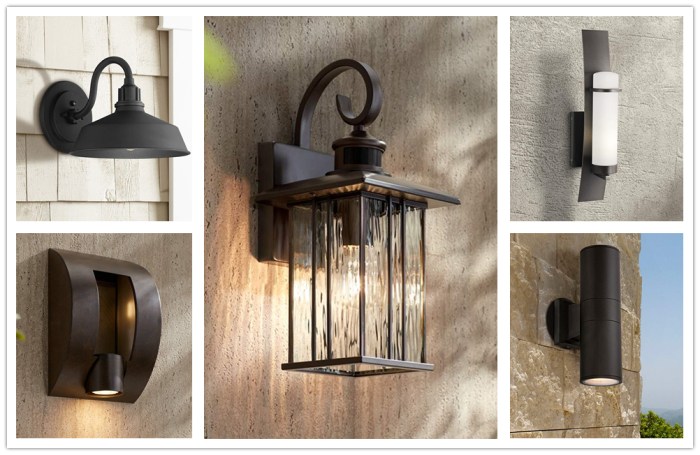
Source: welcometohouse.com
Solar-powered lights offer significant environmental and economic advantages.
- Environmental Impact: Reduce reliance on fossil fuels, and minimize carbon footprint.
- Cost Savings: Eliminate electricity bills associated with outdoor lighting.
- Easy Installation: Typically requires minimal wiring.
Final Wrap-Up
Choosing the best outdoor lights for your house is a rewarding process that blends functionality with aesthetic appeal. By considering factors like lighting type, style, energy efficiency, and smart features, you can transform your home’s exterior into a welcoming and secure space. Remember to prioritize safety during installation and maintenance, and don’t be afraid to experiment with different lighting techniques to create a unique ambiance that reflects your style. With careful planning and the right choices, you’ll create a stunning outdoor lighting display that enhances your home’s beauty and value for years to come.
FAQ Overview: Best Outdoor Lights For House
What’s the difference between lumens and watts?
Watts measure power consumption, while lumens measure brightness. Higher lumens mean brighter light, regardless of wattage.
How often should I clean my outdoor lights?
Clean your outdoor lights at least twice a year, or more often if they’re in dusty or dirty areas. This helps maintain brightness and extends their lifespan.
Can I use any type of bulb in any outdoor light fixture?
No, check your fixture’s specifications for compatible bulb types (e.g., wattage, base type). Using an incorrect bulb can damage the fixture or create a fire hazard.
How do I prevent outdoor lights from attracting bugs?
Use lower-wattage bulbs and consider using bug-repelling light colors (e.g., yellow or amber) instead of bright white.
What is the best way to wire outdoor lights?
Always consult a qualified electrician for outdoor wiring. Improper wiring can be dangerous.
Comments are closed.