Battery Powered Outdoor Lights A Guide

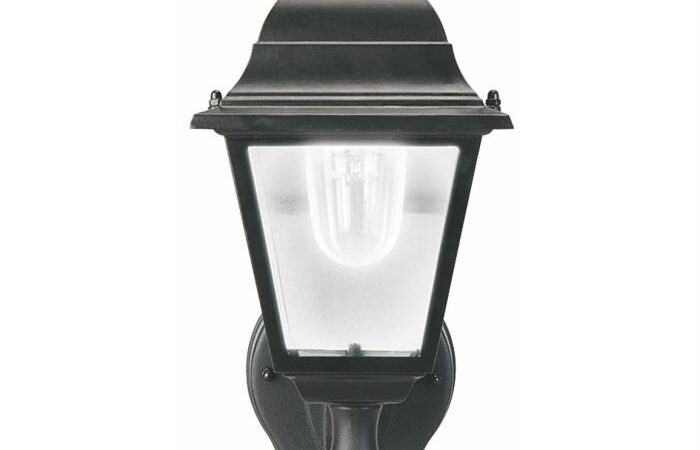
Battery-powered outdoor lights offer a convenient and versatile way to illuminate your outdoor spaces. From charming string lights adorning a patio to powerful spotlights highlighting landscaping features, the options are vast. This guide dives into the world of battery-powered outdoor lighting, covering everything from choosing the right type of light and battery to maximizing battery life and ensuring safe installation. We’ll explore different styles, and brightness considerations, and even help you plan the perfect lighting scheme for your backyard oasis.
We’ll explore the various types of battery-powered outdoor lights available, comparing their features, applications, and battery life. Understanding lumens, wattage, and proper placement will be key to achieving the desired illumination. We’ll also cover the different charging methods, battery chemistries, and maintenance tips to ensure your lights stay bright and functional for years to come. Finally, we’ll discuss safety precautions, aesthetic considerations, and cost-effectiveness to help you make informed decisions.
Types of Battery-Powered Outdoor Lights
Battery-powered outdoor lights offer a versatile and convenient way to illuminate your outdoor spaces. They come in various styles, each with its own set of features and applications. Choosing the right type depends on your specific needs and preferences.
Different Types of Battery-Powered Outdoor Lights
| Type | Features | Applications | Typical Battery Life |
|---|---|---|---|
| Path Lights | Low-profile design, typically stake-mounted, often solar-powered or battery-operated with replaceable batteries. | Lighting walkways, garden paths, driveways. | 6-12 hours (depending on battery type and brightness setting). |
| String Lights | Multiple bulbs connected in a string, various styles (e.g., globe, Edison bulb), often available with different lengths and spacing between bulbs. | Decorative lighting for patios, decks, trees, fences. | 8-24 hours (depending on battery type, number of bulbs, and brightness setting). |
| Spotlights | Directional light, typically adjustable, is often used to highlight specific features or areas. | Highlighting trees, sculptures, architectural details, or security lighting. | 4-10 hours (depending on battery type and brightness setting). |
| Lanterns | Portable and decorative, various styles and sizes, often available with hanging or freestanding options. | Ambient lighting for patios, decks, tables, or pathways. | 6-18 hours (depending on battery type and brightness setting). |
Battery Types and Energy Efficiency
Alkaline, lithium-ion, and NiMH are common battery chemistries used in outdoor lighting. Lithium-ion batteries generally offer the best combination of energy density and lifespan but are more expensive. Alkaline batteries are affordable but have a shorter lifespan and lower energy density. NiMH batteries offer a good balance between cost and performance, rechargeable and environmentally friendly, but have a lower energy density compared to lithium-ion.
Advantages and Disadvantages of Different Battery Chemistries, Battery powered outdoor lights
The choice of battery chemistry involves trade-offs between cost, performance, and environmental impact. For instance, while lithium-ion batteries offer superior performance, their higher initial cost and potential environmental concerns during disposal must be considered. Alkaline batteries are inexpensive but less environmentally friendly and have shorter lifespans. NiMH batteries present a middle ground, offering reusability and a better environmental profile compared to alkaline batteries.
Brightness and Illumination
Understanding lumens and wattage is crucial for selecting appropriately bright outdoor lights. Lumens measure the total amount of light emitted, while wattage indicates power consumption. Higher lumens mean brighter light, while higher wattage usually (but not always) correlates with higher lumens, though efficiency varies greatly depending on the bulb type (LEDs are much more efficient than incandescent).
Calculating the Number of Lights Needed
- Determine the area to be illuminated: Measure the length and width of the area you want to light.
- Calculate the square footage: Multiply the length by the width.
- Estimate lumens per square foot: For ambient lighting, aim for 10-20 lumens per square foot. For task lighting (e.g., pathway), aim for 20-30 lumens per square foot.
- Calculate the total lumens needed: Multiply the square footage by the desired lumens per square foot.
- Choose lights with appropriate lumens: Select lights that collectively provide the total lumens needed.
- Consider light distribution: Factor in the light distribution pattern of the chosen lights (e.g., floodlight, spotlight) to ensure even illumination.
Backyard Patio Lighting Plan
A sample lighting plan for a backyard patio might include string lights strung across the patio roof for ambient lighting, path lights along the walkway leading to the patio, and spotlights to highlight a feature plant or water fountain. The number of each type would depend on the patio’s size and desired level of illumination.
Battery Life and Charging: Battery Powered Outdoor Lights
Maximizing battery life and understanding charging methods are essential for the efficient use of battery-powered outdoor lights. Proper maintenance and charging practices significantly impact their longevity and performance.
Best Practices for Maximizing Battery Life
- Use the appropriate battery type for the light fixture.
- Turn off lights when not needed.
- Use a timer to control the on/off cycle.
- Store batteries in a cool, dry place when not in use.
- Avoid extreme temperatures (heat and cold).
Charging Methods
| Charging Method | Advantages | Disadvantages |
|---|---|---|
| Solar Charging | Environmentally friendly, low cost, requires no external power source. | Depending on sunlight availability, may not be sufficient in low-light conditions or during winter months. |
| USB Charging | Convenient, widely available charging sources, relatively fast charging. | Requires access to a power source. |
Factors Influencing Battery Life
Weather conditions (extreme heat or cold), usage frequency, and the battery’s age and type all contribute to battery lifespan. Frequent on/off cycles can also reduce battery life. Higher-quality batteries, especially lithium-ion, generally offer longer lifespans.
Durability and Weather Resistance
Source: warisanlighting.com
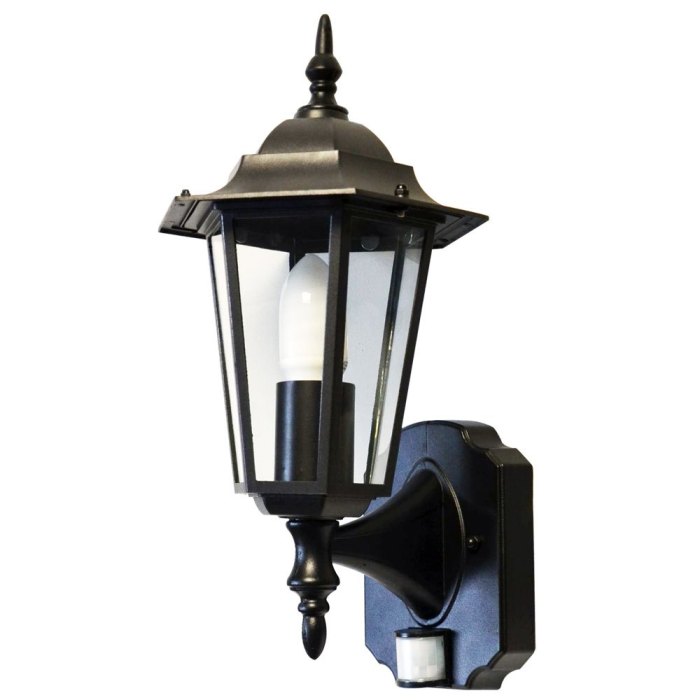
Outdoor lights must withstand various weather conditions. IP ratings and material quality are key factors in determining their durability and longevity.
Key Features for Durability and Weather Resistance
- IP Rating: A higher IP rating (e.g., IP65 or higher) indicates better protection against dust and water ingress.
- Durable Materials: Lights made from high-quality, weather-resistant materials (e.g., aluminum, stainless steel, polycarbonate) will last longer.
- Sealed Housings: Properly sealed housings prevent water and dust from entering the internal components.
IP Ratings and Weather Performance
An IP65 rating indicates protection against low-pressure water jets and dust, suitable for most outdoor environments. Higher ratings (e.g., IP67 or IP68) offer even greater protection against water immersion, suitable for more extreme conditions.
Maintaining and Caring for Outdoor Lights
Regular cleaning (gentle wiping with a damp cloth) and proper storage during periods of non-use can significantly extend the lifespan of battery-powered outdoor lights. Inspect the lights periodically for any damage or loose connections.
Safety and Installation
Source: themprojects.com
Safe installation and use of battery-powered outdoor lights are paramount. Following safety precautions minimizes risks of accidents or damage.
Safety Precautions
- Always disconnect the power source before cleaning or performing maintenance.
- Use insulated gloves when handling electrical connections.
- Ensure lights are installed securely to prevent falling.
- Avoid overloading circuits.
- Choose lights with appropriate certifications (e.g., UL or CE).
Step-by-Step Installation Guide
- Read the manufacturer’s instructions carefully.
- Choose appropriate locations for the lights.
- Prepare the area by clearing any obstacles.
- Install the lights according to the manufacturer’s instructions (this may involve staking, screwing, or hanging).
- Insert batteries and test the lights.
Potential Hazards of Improper Installation
Improper installation can lead to electrical shocks, fire hazards, or damage to the lights. Using incorrect batteries or overloading circuits can also cause malfunctions and safety risks.
Aesthetic Considerations and Design
The style of your outdoor lighting significantly impacts the overall aesthetic of your landscape. Careful selection complements the existing design and enhances the space.
Integrating Battery-Powered Lights into Outdoor Settings
Source: walmartimages.com
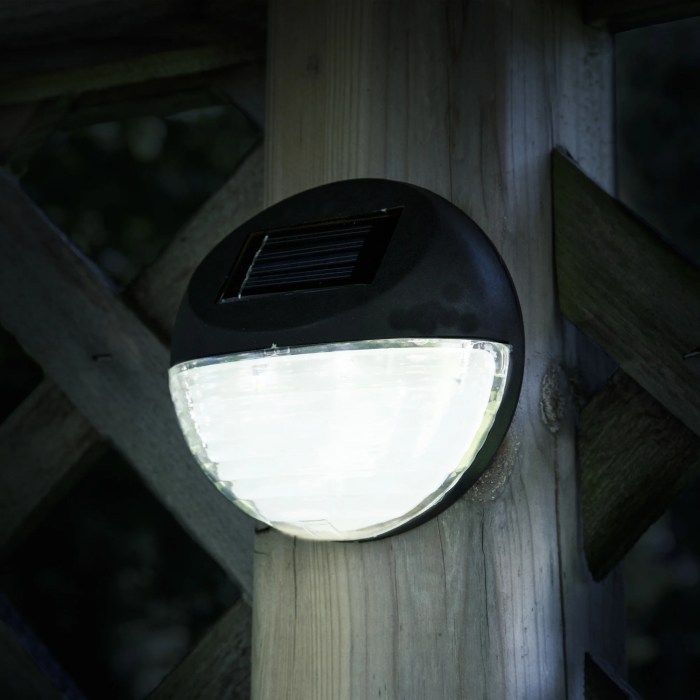
- Gardens: Path lights guide visitors through garden paths, highlighting flowers and plants with strategically placed spotlights.
- Pathways: Path lights provide safety and ambiance, guiding the way at night.
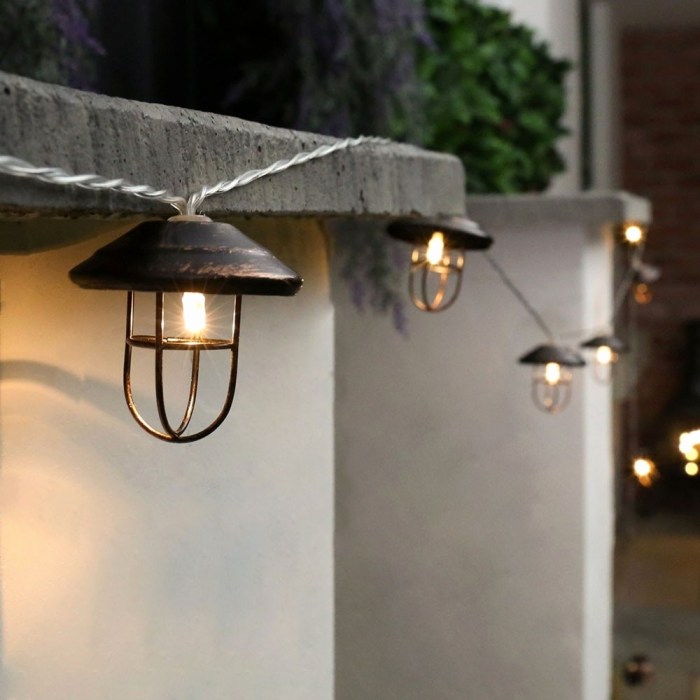
- Decks: String lights create a warm and inviting atmosphere for evening gatherings.
Examples of Diverse Styles and Designs
Example 1: A set of sleek, modern path lights with integrated solar panels, offering a minimalist and clean look. 2: Ornate wrought-iron lanterns hanging from a pergola, providing a classic and elegant ambiance. 3: A string of rustic Edison-style bulbs adds a vintage charm to a wooden deck. 4: Subtle, low-profile LED ground lights highlight the edges of a flowerbed, creating a soft, diffused glow. 5: Contemporary, minimalist spotlights illuminate the architectural features of a house, adding a touch of modern sophistication.
Cost and Value
The cost-effectiveness of battery-powered outdoor lighting depends on several factors, including initial investment, operating costs, and lifespan.
Comparing Costs with Other Lighting Options
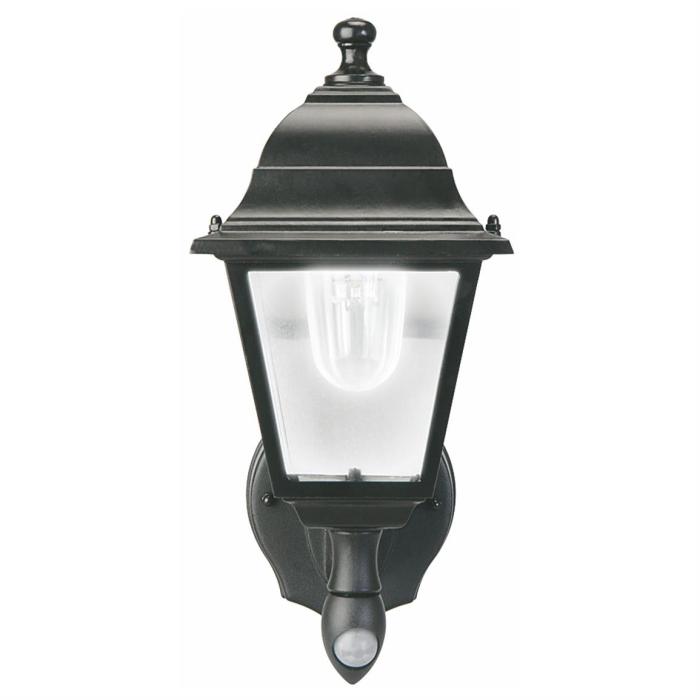
Source: warisanlighting.com
Battery-powered lights have higher initial costs compared to wired lights but lower installation costs. Solar lights are often cheaper initially but may not provide sufficient light in all conditions. The long-term operating costs of battery-powered lights depend on battery replacement frequency and energy efficiency.
Factors to Consider When Evaluating Cost-Effectiveness
- The initial cost of the lights and batteries.
- Cost of battery replacements.
- Energy consumption and efficiency.
- The lifespan of the lights and batteries.
- Installation costs.
Price Ranges of Different Types of Battery-Powered Outdoor Lights
| Type | Price Range (per unit) |
|---|---|
| Path Lights | $10 – $50 |
| String Lights | $15 – $75 |
| Spotlights | $20 – $100 |
| Lanterns | $25 – $150 |
Conclusion
Ultimately, choosing the right battery-powered outdoor lights depends on your specific needs and preferences. By carefully considering factors like brightness, battery life, durability, style, and budget, you can transform your outdoor spaces into inviting and well-lit environments. Remember to prioritize safety during installation and maintenance, and enjoy the ambiance and convenience that these versatile lights provide. With a little planning and the information in this guide, you’ll be well-equipped to illuminate your outdoor world with style and ease.
Questions Often Asked
How often should I replace the batteries in my outdoor lights?
Battery life varies greatly depending on the type of battery, usage frequency, and weather conditions. Check your light’s manual for recommendations, but generally, you can expect to replace batteries every few months to a year.
Can I use any type of battery in my outdoor lights?
No, always use the type of battery specified by the manufacturer. Using the wrong type can damage the light or even create a safety hazard.
What should I do if my outdoor lights stop working?
First, check the batteries. If they’re dead, replace them. And the problem persists, inspect the light for any damage and check the connections. If you’re unsure, consult the manufacturer’s instructions or seek professional help.
Are battery-powered outdoor lights safe to use in rainy weather?
Most battery-powered outdoor lights are weather-resistant, but check the IP rating (Ingress Protection) to ensure it’s suitable for your climate. Higher IP ratings indicate better protection against water and dust.
How do I clean my battery-powered outdoor lights?
Before cleaning, disconnect the lights from the power source. Use a soft, damp cloth to gently wipe away dirt and debris. Avoid harsh chemicals or abrasive cleaners.
Comments are closed.