Modern Outdoor Fencing A Comprehensive Guide

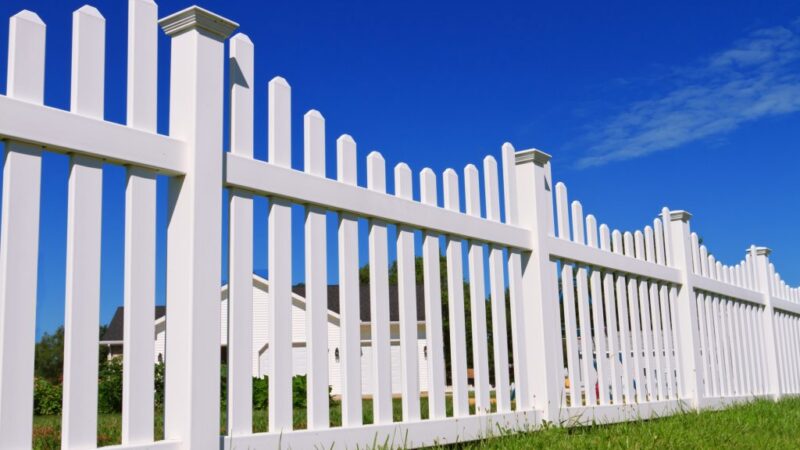
Modern outdoor fencing isn’t just about keeping things out; it’s about enhancing your outdoor space. From sleek minimalist designs to rustic charm, the right fence can transform your yard, boosting curb appeal and providing privacy and security. This guide dives into the world of modern fencing materials, styles, and functionality, helping you choose the perfect fence for your needs and budget.
We’ll explore a range of materials, from durable aluminum and low-maintenance vinyl to the stylish appeal of composite and steel options. We’ll also cover different design aesthetics, installation techniques, and the long-term cost implications of each choice. Whether you’re aiming for a contemporary urban vibe or a more traditional look, this guide will provide the insights you need to make an informed decision.
Materials Used in Modern Outdoor Fencing
Choosing the right fencing material is crucial for both aesthetics and longevity. The best option depends on your budget, desired look, and the specific challenges of your property. Several popular materials offer distinct advantages and disadvantages.
Modern Fencing Material Properties and Applications
Aluminum, composite, vinyl, and steel are common choices for modern outdoor fencing. Each material boasts unique properties affecting its suitability for different applications. Aluminum fencing, for instance, is lightweight yet strong, and resistant to rust and corrosion, making it ideal for coastal areas or high-humidity environments. Composite fencing, often made from recycled materials, provides a wood-like aesthetic with enhanced durability and lower maintenance. Vinyl fencing offers a low-maintenance option with a variety of colors and styles, while steel fencing provides exceptional strength and security but requires more maintenance to prevent rust.
| Material | Durability | Cost | Maintenance | Aesthetic Appeal |
|---|---|---|---|---|
| Aluminum | High; resistant to rust and corrosion | Medium to High | Low; occasional cleaning | Sleek, modern; various colors available |
| Composite | High; resists rot, insects, and warping | Medium to High | Low; occasional cleaning | Wood-like appearance; various colors and textures |
| Vinyl | High; resists rot, insects, and warping | Medium | Very Low; occasional cleaning | Clean, classic; wide range of colors |
| Steel | Very High; strong and secure | High | Medium to High; requires regular painting or coating to prevent rust | Strong, traditional; can be powder-coated for various colors |
Environmental Impact of Fencing Materials
The environmental impact of fencing materials varies considerably. Aluminum is highly recyclable, minimizing its environmental footprint. Composite fencing often incorporates recycled plastic and wood fibers, reducing landfill waste. However, the manufacturing process of composite materials can have environmental implications depending on the specific composition and manufacturing methods. Vinyl fencing, while durable and long-lasting, is not easily biodegradable and its production requires significant energy. Steel fencing’s environmental impact is tied to its production, which requires significant energy and can produce greenhouse gas emissions; however, steel is also highly recyclable. Choosing a material with high recyclability and made from recycled content is key to minimizing environmental impact.
Installation Methods for Different Fencing Materials
Each fencing material requires a specific installation method. Aluminum fencing typically involves setting posts in concrete and then attaching the panels using pre-drilled holes and fasteners. Composite fencing installation is similar, although careful attention must be paid to ensuring proper alignment and spacing to avoid warping. Vinyl fencing often uses a system of interlocking panels and posts, simplifying the installation process and making it suitable for DIY projects. Steel fencing installation is more complex and often requires professional expertise, as it involves heavier materials and potentially more intricate designs. Proper ground preparation is crucial for all types of fencing to ensure stability and longevity. The advantages of each installation method are ease of installation and the disadvantages can be the complexity of installation and required skill levels.
Styles and Designs of Modern Outdoor Fencing
Modern outdoor fencing offers a wide array of styles and designs to complement any property, from sleek minimalist aesthetics to rustic charm. The choice depends largely on personal preference, the architectural style of the house, and the overall landscaping goals. Understanding the key characteristics of different styles helps in making an informed decision that enhances both the functionality and curb appeal of your outdoor space.
Modern Fencing Styles, Modern outdoor fencing
Choosing the right fencing style is crucial for achieving the desired look and feel for your property. The style should complement the existing architecture and landscaping, creating a cohesive and visually appealing outdoor environment. Below are some popular modern fencing styles with their defining features.
- Minimalist: Clean lines, simple geometric shapes, and a focus on functionality. Often uses materials like metal (steel or aluminum) or concrete in neutral colors. Minimal ornamentation is key; the emphasis is on the structure’s inherent elegance.
- Contemporary: Similar to minimalist but allows for slightly more variation in materials and design. Might incorporate natural materials like wood or stone alongside metal or glass, but still maintains a streamlined and uncluttered appearance. Often features subtle textures and patterns.
- Rustic: Emphasizes natural materials like weathered wood, stone, or even reclaimed materials. Designs are often more organic and irregular, with variations in height and spacing between fence posts. Can incorporate natural imperfections for a more aged and charming look.
- Traditional: Retains classic design elements, such as picket fences or post-and-rail designs. Materials are typically wood, sometimes painted white or in other traditional colors. While classic, these can be updated with modern twists, like using wider planks or a slightly more contemporary color palette.
Modern Fence Concepts for Different Settings
Here are three modern fence concepts tailored to specific property types:
- Suburban Backyard: A combination of wood and metal fence. The design features vertical wooden slats spaced slightly apart for privacy while allowing for air circulation and some light penetration. The posts and rails are made of powder-coated steel for durability and a modern, clean look. Height: approximately 6 feet. Aesthetic: A blend of warmth from the wood and sleekness from the metal, creating a contemporary yet inviting feel.
- Minimalist Urban Setting: A sleek, low-profile fence made entirely of powder-coated aluminum. The design is simple and linear, with vertical panels spaced evenly. Height: approximately 3-4 feet, providing a sense of enclosure without being overly imposing in a smaller urban space. Aesthetic: Clean, modern, and unobtrusive, enhancing the overall minimalist aesthetic of the urban environment.
- Rural Property: A rustic split-rail fence with sturdy, pressure-treated wood posts and rails. The design is simple and functional, allowing for a clear view of the surrounding landscape. Height: Approximately 4-5 feet, providing a visual boundary without obstructing views. Aesthetic: Natural, unpretentious, and in harmony with the rural setting. This could incorporate some strategically placed climbing plants to add a touch of softness.
Integrating Modern Fencing with Landscaping
Modern fencing can be seamlessly integrated with landscaping elements to create a cohesive and visually stunning outdoor space.
Fencing can be used to define garden boundaries, complementing the shape and style of flowerbeds or vegetable patches. A retaining wall can be incorporated into the fence design, creating a functional and aesthetically pleasing structure. Pathways can be designed to lead seamlessly through or around the fence, creating a natural flow within the landscape. The fence itself can be used as a support structure for climbing plants, adding a touch of vertical greenery and softening the hard lines of the fence.
Functionality and Security Aspects of Modern Outdoor Fencing

Modern outdoor fencing offers far more than just aesthetic appeal; it plays a crucial role in enhancing the functionality and security of a property. The design choices made significantly impact privacy, security, and even environmental factors like noise and wind reduction. Understanding these aspects is key to choosing the right fencing for your needs.
Different fence designs affect privacy and security in various ways. Height is a primary factor; taller fences naturally offer greater privacy and deter potential intruders. Material opacity is equally important: solid materials like wood or metal offer more privacy than open designs like wrought iron or chain link. Gate mechanisms also contribute to security; sturdy locks and self-closing features are essential for preventing unauthorized access. For instance, a six-foot-tall solid cedar fence provides significantly more privacy and security than a three-foot-tall chain link fence with a simple latch.
Smart Technology Integration in Modern Fencing
Modern fencing solutions are increasingly incorporating smart technology to bolster security. Integrated cameras, for example, can provide real-time surveillance and record any suspicious activity. Access control systems, ranging from keypad entry to biometric scanners, allow for controlled access and prevent unauthorized entry. These systems can be integrated with home security systems for comprehensive monitoring and alerts. Imagine a sleek, modern aluminum fence with embedded motion-activated cameras that send alerts directly to your smartphone, allowing you to monitor your property remotely. Such systems offer a significant upgrade in security compared to traditional fencing solutions.
Noise Reduction and Wind Mitigation with Modern Fencing
Modern fencing can play a significant role in mitigating noise pollution and wind effects. Solid fences, especially those made of dense materials like brick or concrete, are highly effective at absorbing and blocking sound waves, reducing noise from traffic or neighboring properties. Similarly, strategically placed fences can act as windbreaks, reducing wind speed and protecting landscaping from damage. For example, a tall, solid fence constructed along a busy street could dramatically reduce the amount of traffic noise reaching a home. Similarly, a strategically positioned fence could protect a garden from harsh winds, improving plant health and reducing the risk of damage.
Cost and Maintenance of Modern Outdoor Fencing
Choosing the right fence involves considering not only aesthetics and functionality but also the long-term financial implications. The initial cost of installation varies greatly depending on the materials, labor, and your property’s specific needs. Ongoing maintenance also plays a significant role in the overall expense. This section breaks down the costs and maintenance schedules for different modern fencing options to help you make an informed decision.
Cost Breakdown of Modern Fencing Installation
The total cost of installing a fence is the sum of materials, labor, and permits. Prices can fluctuate based on location, market conditions, and the complexity of the installation. The following table provides a general estimate for a 100-foot fence installation. Remember, these are averages and your actual costs may vary.
| Fence Type | Materials Cost (USD) | Labor Cost (USD) | Permit Cost (USD) |
|---|---|---|---|
| Vinyl | $2,500 – $5,000 | $1,500 – $3,000 | $100 – $300 |
| Wood (Cedar/Redwood) | $1,500 – $4,000 | $1,000 – $2,500 | $100 – $300 |
| Aluminum | $3,000 – $6,000 | $1,500 – $3,000 | $100 – $300 |
| Chain Link | $500 – $1,500 | $500 – $1,500 | $100 – $300 |
Maintenance Schedule for Modern Fencing Materials
Regular maintenance extends the lifespan of your fence and prevents costly repairs down the line. The frequency and type of maintenance depend on the chosen material and local climate conditions.
A well-maintained fence is an investment that protects your property and enhances its curb appeal. Neglecting maintenance can lead to premature deterioration and increased repair costs.
| Fence Material | Cleaning | Repairs | Preventative Measures |
|---|---|---|---|
| Vinyl | Wash with soap and water annually; remove mildew with a mildew remover. | Repair cracks or holes with vinyl repair kits. | Inspect regularly for damage; address issues promptly. |
| Wood | Wash with soap and water annually; stain and seal every 2-3 years. | Repair rotted or damaged sections; replace posts as needed. | Inspect for insect infestation; treat promptly. |
| Aluminum | Wash with soap and water annually; remove rust with a wire brush. | Repair dents or scratches with aluminum filler. | Inspect for loose connections; tighten as needed. |
| Chain Link | Wash with soap and water annually; remove rust with a wire brush. | Repair broken or sagging sections; replace posts as needed. | Inspect for loose connections; tighten as needed. |
Long-Term Cost-Effectiveness of Modern Fencing Options
The long-term cost-effectiveness of a fence depends on the initial investment, maintenance costs, and lifespan. While some materials may have a higher upfront cost, their longer lifespan and lower maintenance needs can make them more economical in the long run. For example, vinyl fencing, while expensive initially, requires minimal maintenance and boasts a lifespan of 20-30 years or more, making it a potentially cost-effective option over the long term compared to wood fencing which might need replacing every 10-15 years depending on climate and maintenance. Aluminum and chain link fences fall somewhere in between, offering a balance between initial cost and longevity. Careful consideration of these factors is crucial for making a financially sound decision.
Visual Representations of Modern Outdoor Fencing

Choosing the right fence isn’t just about security; it’s about enhancing your property’s aesthetic appeal. The visual impact of your fence significantly contributes to your home’s curb appeal and overall landscape design. Let’s explore some modern fencing options and their visual characteristics.
Modern Aluminum Fence with Sleek Vertical Lines and Dark Bronze Finish
Imagine a fence standing tall and proud, approximately 6 feet high, constructed from sleek, dark bronze aluminum. The vertical lines are clean and uninterrupted, creating a sense of elegance and sophistication. Each rail is precisely spaced, allowing for a balanced visual effect. The gate, matching the fence’s style, features a simple, yet sturdy, design possibly with a latch mechanism integrated seamlessly into the frame. This type of fence offers a modern, almost minimalist look, ideal for contemporary homes or those seeking a clean, uncluttered appearance. The dark bronze finish adds a touch of warmth and richness, complementing various architectural styles and landscaping schemes. Its low-maintenance nature is a significant bonus.
Contemporary Composite Fence with Natural Wood-Grain Texture and Subtle Geometric Pattern
This fence showcases a captivating blend of modern design and natural aesthetics. Picture a fence approximately 4-5 feet high, composed of a composite material that masterfully mimics the look and feel of natural wood. The color might be a warm, medium brown, closely resembling cedar or redwood. A subtle, repeating geometric pattern, perhaps a simple weave or crosshatch design, is subtly incorporated into the fence panels, adding a touch of visual interest without being overly busy. This composite material offers durability and weather resistance superior to traditional wood while maintaining a natural, inviting appearance. It’s versatile enough to suit various landscaping styles, from traditional to contemporary, blending seamlessly into diverse environments.
Minimalist Steel Fence with Clean Horizontal Lines and Powder-Coated Finish
This design prioritizes clean lines and negative space. Envision a fence approximately 4 feet high, constructed from steel with horizontal rails. The spacing between the rails is carefully considered, creating a balance between privacy and openness. A powder-coated finish, perhaps in a neutral shade like matte black or charcoal gray, adds durability and a sleek, modern aesthetic. The horizontal lines create a sense of visual calm and sophistication. This fence is a perfect example of how negative space can be used effectively in design, allowing glimpses of the surrounding landscape while still providing a degree of privacy and security. The minimalist design makes it a perfect complement to contemporary and modern homes with expansive views.
Final Wrap-Up
Choosing the right modern outdoor fencing involves careful consideration of aesthetics, functionality, and budget. By understanding the properties of different materials, exploring diverse design options, and weighing the long-term costs, you can create a fence that enhances your property’s value and complements your lifestyle. Remember, your fence is more than just a boundary; it’s a statement. Make it a statement that reflects your style and enhances your outdoor living experience.
Popular Questions
How long does modern fencing typically last?
Lifespan varies greatly depending on the material. Vinyl and composite fences can last 20-30 years, while aluminum and steel fences can last even longer with proper maintenance.
Do I need a permit to install a fence?
Permit requirements depend on your local regulations. Check with your city or county building department before starting installation.
How much does professional fence installation cost?
Installation costs vary widely based on the fence type, size, and location. Expect to pay anywhere from a few hundred to several thousand dollars.
Can I install a fence myself?
While DIY installation is possible for some simpler fence types, more complex designs often require professional expertise for proper installation and to avoid structural issues.
What’s the best way to clean my new fence?
Cleaning methods vary by material. Generally, a hose and mild soap are sufficient for most materials; avoid harsh chemicals.
Comments are closed.