Contemporary Patio Decor Design Guide

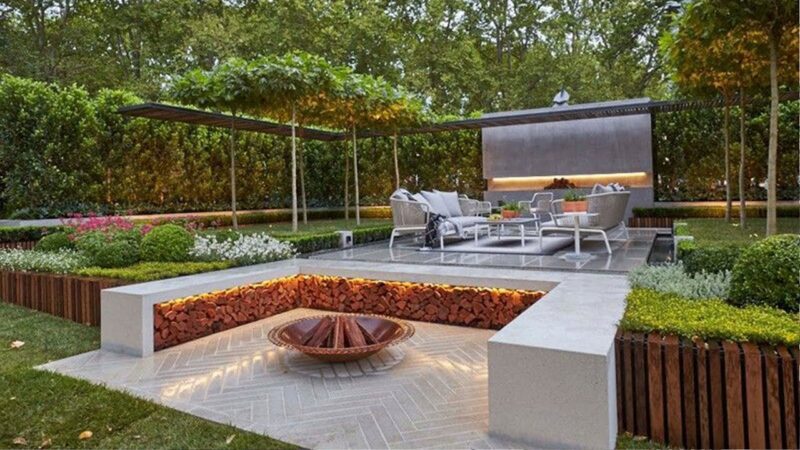
Contemporary patio decor offers a fresh take on outdoor living, blending sleek lines, minimalist aesthetics, and durable materials to create a sophisticated and relaxing space. This guide dives into the key elements of designing a contemporary patio, from choosing the right furniture and lighting to selecting plants and accessories that perfectly complement the overall style. Get ready to transform your outdoor area into a stylish haven!
We’ll explore how to define contemporary patio style, differentiating it from traditional or rustic designs. We’ll cover furniture selection, focusing on materials, ergonomics, and aesthetic appeal. Lighting, textiles, accessories, and the incorporation of plants will also be crucial elements in creating the perfect ambiance. Finally, we’ll discuss maintenance tips to keep your contemporary patio looking its best for years to come.
Defining Contemporary Patio Style
Contemporary patio design emphasizes clean lines, minimalist aesthetics, and a focus on functionality. It’s a style that prioritizes comfort and ease of use while showcasing modern materials and a sophisticated color palette. Unlike traditional or rustic styles, contemporary patios steer clear of ornate details and instead favor sleek, streamlined forms.
Contemporary patio design is characterized by its uncluttered appearance and the strategic use of negative space. This creates a sense of openness and calm, allowing the eye to rest on carefully chosen elements rather than being overwhelmed by detail. The emphasis is on creating a relaxing and stylish outdoor living area that seamlessly integrates with the indoor space.
Key Design Elements of Contemporary Patios
The core differentiators of contemporary patio design lie in the selection and arrangement of key elements. Straight lines, geometric shapes, and a lack of excessive ornamentation are hallmarks of this style. Think clean-lined furniture with simple silhouettes, perhaps a rectangular fire pit rather than a round, rustic one. Materials are chosen for their inherent beauty and durability, often featuring natural textures in a refined manner. In contrast, traditional patios often incorporate intricate carvings, elaborate patterns, and a more heavily ornamented aesthetic. Rustic patios, meanwhile, prioritize natural, often rough-hewn materials and a more organic feel.
Material Choices in Contemporary and Traditional Patio Designs
Contemporary patios frequently utilize materials like concrete, sleek metal (stainless steel, aluminum), glass, and natural stone with a smooth finish. These materials offer durability and a modern aesthetic. The use of wood is often incorporated in a refined way, perhaps as a polished hardwood table or ipe decking, rather than the rough-hewn timbers common in rustic styles. Traditional patios, on the other hand, might feature wrought iron furniture, brick paving, and natural stone with more rustic textures. The overall effect is a marked difference in the level of perceived refinement and simplicity.
Color Palettes and Ambiance, Contemporary patio decor
Contemporary patio color palettes tend to be neutral and sophisticated. Think shades of gray, beige, white, and black, often accented with pops of color from carefully chosen plants or outdoor cushions. This palette creates a calming and versatile backdrop that allows the furniture and other design elements to stand out. The overall ambiance is one of understated elegance and tranquility. Traditional patios often employ richer, warmer colors, possibly incorporating bolder hues in their furniture or accessories. The resulting atmosphere tends to be more vibrant and inviting, though potentially less calming.
Furniture Selection for Contemporary Patios
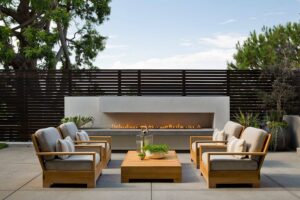
Creating the perfect contemporary patio involves thoughtful furniture selection. The right pieces will not only enhance the aesthetic but also dictate the functionality and overall comfort of your outdoor space. Consider materials, shapes, colors, and ergonomics to achieve a cohesive and inviting atmosphere.
A Contemporary Patio Furniture Set Design
Let’s design a sample contemporary patio set. Imagine a modular sectional sofa crafted from powder-coated aluminum in a sleek charcoal gray. The individual pieces can be rearranged to suit different needs and group sizes. Accompanying this would be a low, rectangular coffee table made of the same aluminum, with a tempered glass top for a clean, modern look. Two lightweight, sling-style armchairs in a natural beige fabric would provide additional seating, offering a textural contrast to the aluminum. Finally, a simple, linear fire pit made of corten steel would add warmth and ambiance, completing the set.
Comparison of Furniture Materials
Different materials offer unique advantages and disadvantages. Wicker, often made from synthetic resin, provides a lightweight, weather-resistant, and visually appealing option, often with a relaxed, slightly bohemian feel. However, it might not be as durable as other materials for heavy use. Metal furniture, such as aluminum or steel, is typically strong, durable, and easy to maintain. Powder-coated finishes offer added protection against rust and weathering. However, metal can get very hot in direct sunlight. Wood, particularly teak or cedar, brings a natural warmth and elegance to a patio. It’s a more traditional choice but requires more maintenance to prevent weathering and decay. Choosing the right material depends on your priorities: durability, maintenance requirements, and desired aesthetic.
Ergonomics and Comfort in Contemporary Patio Furniture
Ergonomics plays a crucial role in creating a comfortable and inviting patio space. Contemporary designs often prioritize comfort through features like deep seating, supportive cushions, and adjustable elements. Consider the height and depth of seating to ensure proper posture. Cushions should be adequately padded and made from weather-resistant, breathable fabrics. The use of lumbar support in chairs and sofas enhances comfort during extended periods of sitting. Proper ergonomics minimizes discomfort and encourages relaxation, maximizing the enjoyment of your outdoor area.
Contemporary Patio Furniture Styles
| Style | Material | Color Palette | Key Features |
|---|---|---|---|
| Mid-Century Modern | Teak wood, aluminum | Neutral tones, pops of color | Clean lines, tapered legs, organic shapes |
| Minimalist | Steel, concrete | Monochromatic, neutral colors | Simple forms, lack of ornamentation |
| Industrial | Metal, reclaimed wood | Metallics, dark tones | Raw materials, exposed structures |
| Coastal | Wicker, light wood | Whites, blues, greens | Lightweight, breezy feel, natural textures |
Incorporating Lighting and Ambiance

Creating the perfect atmosphere on your contemporary patio involves more than just stylish furniture; lighting plays a crucial role in setting the mood and enhancing functionality. A well-designed lighting plan will transform your outdoor space from a simple extension of your home into a captivating and inviting retreat.
Think of your patio lighting as a three-act play: ambient, task, and accent lighting each contribute to the overall effect. A balanced approach ensures both beauty and practicality.
Ambient Lighting: Setting the Overall Mood
Ambient lighting provides general illumination for the entire patio area. It’s the foundational layer, creating a welcoming and comfortable atmosphere. For a contemporary feel, consider recessed lighting subtly integrated into the patio’s structure, providing a soft, even glow. String lights, draped artfully across the space, offer a more playful and relaxed vibe, particularly effective for evenings spent entertaining. Larger-scale pendant lights, perhaps in a sleek, minimalist design, can serve as both functional illumination and striking design elements.
Task Lighting: Functionality and Focus
While ambient lighting sets the mood, task lighting ensures visibility for specific activities. Path lighting, strategically placed along walkways, ensures safe navigation, even in low-light conditions. Consider uplighting for potted plants or architectural features to add subtle highlights and draw attention to specific elements. For dining areas, consider pendant lights directly over the table to provide sufficient light for eating and conversation. These fixtures should be both stylish and functional, complementing the overall contemporary aesthetic.
Accent Lighting: Highlighting Design Elements
Accent lighting adds depth and drama, focusing attention on specific features of your patio. Spotlights can highlight a beautiful piece of artwork or a sculptural element. LED strip lighting can be used to subtly illuminate the edges of steps or built-in seating, creating a modern and sophisticated look. Backlighting certain plants or water features can add a magical touch. The key is to use accent lighting sparingly to avoid overwhelming the space and maintain a sense of balance.
The Role of Candles, Fire Pits, and Other Ambient Light Sources
Beyond electrical lighting, other elements significantly contribute to the ambiance. Candles, placed in sleek, contemporary holders, add a touch of warmth and romance. A fire pit, whether gas or wood-burning, becomes a central focal point, offering both light and warmth for cooler evenings. The flickering flames create a dynamic and inviting atmosphere, perfect for socializing and relaxation. Consider incorporating water features, such as a small fountain or pond, as they add a soothing sound and visual interest. The gentle movement of water, combined with soft lighting, creates a truly tranquil environment.
Textiles and Accessories
Choosing the right textiles and accessories is crucial for completing your contemporary patio’s look and feel. These elements add texture, color, and personality, transforming a functional space into a stylish and comfortable outdoor haven. The key is to select pieces that are both aesthetically pleasing and durable enough to withstand the elements.
Suitable Textiles for Contemporary Patios
The selection of textiles significantly impacts the overall aesthetic and comfort of your patio. Consider the following options for cushions, rugs, and throws, keeping in mind both style and practicality. A well-chosen textile palette can unify the space and enhance its visual appeal.
- Cushions: Opt for Sunbrella fabric cushions in solid neutral tones like charcoal grey, creamy beige, or deep navy. These offer exceptional weather resistance and come in various textures, from smooth to subtly textured weaves. Consider adding a few cushions with geometric patterns or subtle stripes for visual interest.
- Rugs: Outdoor rugs made from polypropylene or solution-dyed acrylic are ideal choices. These materials are resistant to fading, mildew, and staining. Look for rugs with a flatweave design in neutral colors or a simple geometric pattern to maintain a contemporary feel. A large, neutral-toned rug can anchor the seating area and define the space.
- Throws: For added warmth and texture, consider incorporating outdoor throws made from durable materials like polyester or acrylic. These can be easily cleaned and are available in a variety of colors and textures, allowing you to introduce pops of color or add a layer of visual interest. A chunky knit throw in a neutral color can add a touch of casual elegance.
Outdoor Fabrics and Weather Resistance
Durability is paramount when selecting fabrics for outdoor use. Materials like Sunbrella, Outdura, and solution-dyed acrylics are specifically designed to withstand exposure to sunlight, rain, and other elements. These fabrics resist fading, mildew, and water damage, ensuring your patio textiles remain looking their best for years to come. Look for fabrics with a high UV resistance rating for optimal protection against sun damage. Proper cleaning and occasional treatments will further extend the lifespan of your outdoor textiles.
Contemporary Patio Accessories
Accessories are the finishing touches that elevate your patio’s design. Carefully chosen items can create a cohesive and stylish atmosphere. Here are some suggestions:
- Planters: Sleek, minimalist planters in concrete, ceramic, or metal will complement a contemporary style. Choose simple shapes and neutral colors, allowing the plants themselves to be the focal point. Consider a combination of tall and short planters for visual interest.
- Sculptures: Abstract metal sculptures or minimalist stone pieces can add a touch of sophistication. Choose pieces with clean lines and simple forms that won’t overwhelm the space. A single, statement sculpture can be a dramatic focal point.
- Artwork: Weather-resistant artwork such as framed prints or metal wall art can add personality and vibrancy. Choose pieces with bold colors or graphic designs to complement the overall aesthetic. Ensure any artwork is appropriately protected from the elements.
Arranging Accessories for Visual Appeal
The placement of accessories is key to creating a balanced and visually appealing patio. For instance, place a larger planter as a central anchor, perhaps near the seating area. Smaller planters can be arranged around the larger ones, creating a visual rhythm. A sculpture can be positioned strategically to draw the eye, acting as a focal point. Wall art should be hung at eye level, maintaining a balanced and pleasing composition. Remember to leave enough negative space to avoid overcrowding. The arrangement should feel intentional, not cluttered, reflecting the clean lines and minimalist principles of contemporary design.
Plants and Greenery: Contemporary Patio Decor
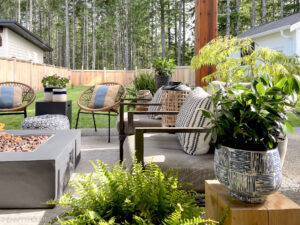
Bringing the outdoors in—or rather, extending the indoors out—is a key element of contemporary patio design. The right plants can transform a simple space into a vibrant, relaxing oasis. Choosing plants for your contemporary patio involves careful consideration of your specific climate, the amount of sunlight your patio receives, and your personal maintenance preferences.
Choosing the right plants is crucial for a thriving and aesthetically pleasing contemporary patio garden. The selection process should take into account the local climate, sunlight conditions, and the level of care you are willing to provide.
Suitable Plant Species for Contemporary Patios
Climate plays a significant role in plant selection. For hot, dry climates, drought-tolerant plants like succulents (various agave species, echeveria, sedum), lavender, and rosemary thrive with minimal watering. In cooler, wetter climates, consider ferns, hostas, and hydrangeas. Sun exposure is equally important. Full-sun plants like bougainvillea and oleander need at least six hours of direct sunlight daily while shade-loving plants such as impatiens and aspidistra require filtered light or shade. Low-maintenance options, such as ornamental grasses (like feather reed grass or blue fescue) and hardy shrubs (like boxwoods or Japanese maples), are perfect for busy lifestyles. Consider the mature size of plants to avoid overcrowding.
Planters and Their Impact on Design
Planters are more than just containers; they are design elements that significantly influence the overall aesthetic of your contemporary patio. Clean-lined, minimalist planters in materials like concrete, ceramic, or metal complement a contemporary style. The size, shape, and color of planters should be carefully chosen to create visual balance and harmony. For example, a series of sleek, black ceramic planters can create a sophisticated, monochromatic look, while a mix of textured concrete pots adds a touch of rustic charm. Consider using varying heights and sizes of planters to create visual interest and depth.
Planting Techniques for Contemporary Patios
Contemporary design often embraces innovative planting techniques. Vertical gardens, created using wall-mounted planters or trellises, maximize space and add a dramatic element. They are particularly effective in smaller patios. Hanging baskets, another space-saving option, offer a cascading effect, adding softness and visual interest. Using a combination of vertical gardens and ground-level planters can create a multi-layered and visually dynamic patio garden. For a truly modern touch, consider incorporating living walls, which use specialized systems to grow plants vertically on walls.
A Contemporary Patio Garden: Visual Description
Imagine a patio bathed in the warm glow of the evening sun. Three large, rectangular concrete planters, painted a soft gray, flank a comfortable seating area. Inside, tall, slender bamboo plants create a sense of verticality and tranquility. Two smaller, spherical ceramic planters in a deep charcoal gray hold vibrant succulents, their fleshy leaves catching the light. A vertical garden on one wall, constructed from sleek metal panels, features cascading ivy and trailing pothos, adding a touch of lush greenery without overwhelming the space. A few strategically placed hanging baskets containing trailing petunias in shades of white and purple add a splash of color and a sense of movement. The overall effect is one of calm sophistication, with the plants complementing the clean lines and minimalist aesthetic of the patio furniture and decor.
Maintaining a Contemporary Patio

Keeping your contemporary patio looking its best requires consistent care. Regular cleaning and preventative measures will significantly extend the life of your furniture, plants, and overall aesthetic. This section Artikels a practical approach to patio maintenance, ensuring your outdoor space remains a stylish and enjoyable retreat.
Cleaning and Maintaining Contemporary Patio Furniture and Accessories
Maintaining your patio furniture involves more than just occasional wiping. Different materials require specific cleaning methods. For example, wicker furniture may benefit from a gentle brush and soapy water, while aluminum might need a simple rinse and occasional polish to maintain its shine. Regular cleaning prevents dirt buildup and prolongs the life of your investment.
- Wicker: Use a soft brush and mild soapy water. Rinse thoroughly and allow to air dry completely. Avoid harsh chemicals or power washing.
- Aluminum: Wipe down with a damp cloth and mild detergent. Polish occasionally with a suitable metal polish for a lasting shine.
- Wood: Regularly sweep or brush off debris. Clean with a wood cleaner and protect with a weather-resistant sealant according to the manufacturer’s instructions.
- Cushions and Textiles: Spot clean spills immediately. For deeper cleaning, consult the care instructions on the fabric labels. Consider using protective covers during inclement weather.
- Accessories: Wipe down glass, metal, and stone accessories regularly with a damp cloth. Clean ceramic pots and planters as needed with soapy water.
Protecting Outdoor Furniture from the Elements
Exposure to sun, rain, and snow can significantly damage outdoor furniture. Taking preventative measures will protect your investment and maintain its appearance.
- Sun Protection: Use high-quality UV-resistant fabrics for cushions and consider using umbrellas or awnings to provide shade. Regularly apply UV protectant to wood furniture.
- Rain Protection: Store cushions and textiles indoors during periods of heavy rain. Consider using furniture covers to protect against moisture damage. For uncovered furniture, ensure proper drainage to prevent water pooling.
- Snow Protection: Clear snow from furniture to prevent damage from weight and melting ice. Consider storing furniture indoors or using heavy-duty covers during winter months.
Prolonging the Lifespan of Patio Plants and Greenery
Healthy plants contribute significantly to a patio’s aesthetic appeal. Proper care ensures their longevity and vibrant appearance.
- Watering: Water plants regularly, ensuring the soil is adequately moist but not waterlogged. Adjust the watering frequency based on weather conditions and plant type.
- Fertilizing: Use a balanced fertilizer appropriate for the type of plants you have. Follow the manufacturer’s instructions carefully to avoid over-fertilizing.
- Pruning: Regularly prune plants to remove dead or damaged leaves and branches. This promotes healthy growth and prevents disease.
- Pest and Disease Control: Inspect plants regularly for signs of pests or diseases. Take appropriate action to address any issues promptly.
The Importance of Regular Maintenance in Preserving the Aesthetic Appeal of a Contemporary Patio
Regular maintenance is crucial for preserving the clean lines and modern aesthetic of a contemporary patio. Consistent cleaning and preventative measures prevent the accumulation of dirt, debris, and damage. By following a routine maintenance schedule, you can ensure your patio remains a stylish and welcoming outdoor space for years to come. Neglecting maintenance can lead to premature wear and tear, resulting in costly repairs or replacements.
Closing Summary
Designing a contemporary patio is about creating a space that reflects your style while maximizing comfort and functionality. By carefully selecting furniture, lighting, textiles, accessories, and plants, you can craft an outdoor oasis that’s both stylish and inviting. Remember, regular maintenance is key to preserving the beauty and longevity of your contemporary patio design. So, go ahead, embrace the modern aesthetic, and enjoy your beautifully designed outdoor retreat!
Expert Answers
What are some budget-friendly options for contemporary patio furniture?
Consider durable, weather-resistant materials like aluminum or resin wicker. Look for sales and consider purchasing furniture pieces individually rather than a whole set.
How do I protect my outdoor cushions from rain?
Store cushions indoors when not in use or use waterproof covers designed for outdoor furniture. Consider using quick-drying, water-resistant fabrics.
What are some low-maintenance plants suitable for a contemporary patio?
Succulents, cacti, and certain types of grasses are excellent choices for low-maintenance, drought-tolerant landscaping. Consider their sunlight needs when choosing a location.
How often should I clean my contemporary patio furniture?
Regularly dust or wipe down furniture with a damp cloth. For more thorough cleaning, use a mild soap and water solution, rinsing and drying thoroughly afterward. Check manufacturer instructions for specific cleaning recommendations.
Comments are closed.