Designer Outdoor Lighting Illuminate Your Space

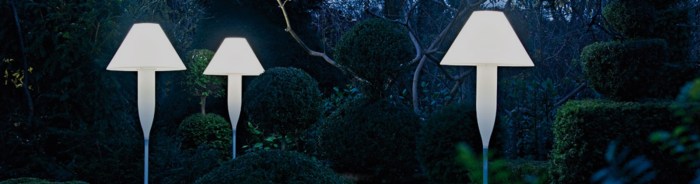
Designer outdoor lighting transforms ordinary spaces into captivating environments. From sleek modern designs to rustic charm, the right lighting can dramatically enhance your home’s curb appeal and create inviting outdoor living areas. We’ll explore various styles, applications, and technical aspects to help you illuminate your landscape with sophistication and style.
This guide covers everything from choosing the perfect fixtures and bulbs to understanding light distribution and energy efficiency. Learn how to highlight architectural details, create ambiance, and even boost your home’s security with strategically placed lighting. We’ll delve into the costs involved, maintenance requirements, and how to seamlessly integrate lighting with your landscaping for a truly stunning effect.
Designer Outdoor Lighting: Illuminating Your Outdoor Spaces
Source: homebnc.com
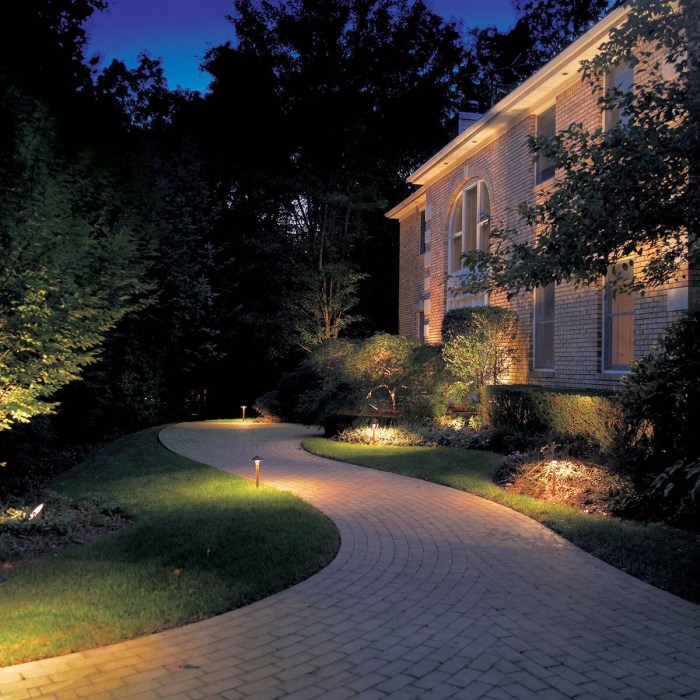
Designer outdoor lighting transforms your outdoor environment, enhancing both its beauty and functionality. From subtle pathway lighting to dramatic architectural accents, the right lighting design can create a welcoming and secure atmosphere. This guide provides a comprehensive overview of designer outdoor lighting, covering various styles, applications, technical aspects, aesthetic considerations, and cost implications.
Types of Designer Outdoor Lighting
Source: architizer.com
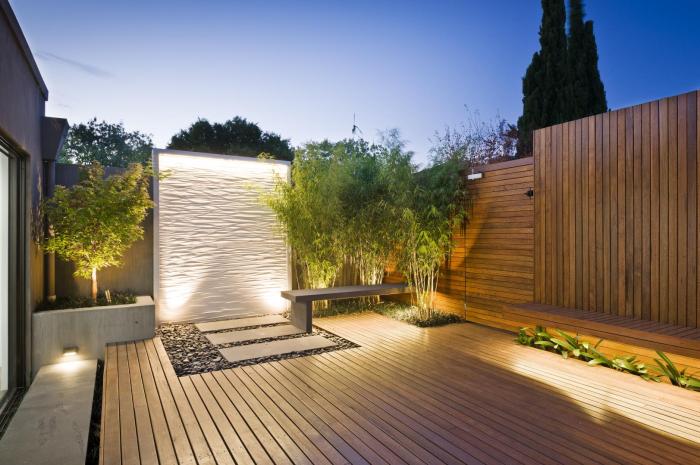
Designer outdoor lighting encompasses a wide range of styles, each with unique characteristics and applications. Material choices significantly impact the overall look and durability of the fixtures. Energy efficiency is also a key consideration, with LED technology increasingly favored for its longevity and lower energy consumption.
| Style Name | Key Features | Typical Applications | Common Materials |
|---|---|---|---|
| Modern | Clean lines, and minimalist designs, often featuring geometric shapes and metallic finishes. | Contemporary homes, minimalist gardens, pool areas. | Stainless steel, aluminum, glass, concrete. |
| Traditional | Classic designs, often incorporating ornate details and warm lighting tones. | Victorian homes, historical sites, formal gardens. | Wrought iron, brass, copper, glass. |
| Rustic | Natural materials, weathered finishes, and a focus on creating a cozy and inviting atmosphere. | Cabins, farmhouses, woodland gardens. | Wood, stone, wrought iron, aged metals. |
| Minimalist | Simple, uncluttered designs, often featuring a single light source or a small cluster of lights. | Modern homes, small gardens, patios. | Stainless steel, aluminum, glass. |
High-end outdoor lighting fixtures often utilize materials like brass for its durability and elegant appearance, wrought iron for its strength and classic aesthetic, concrete for its modern and versatile appeal, and glass for its ability to diffuse light beautifully.
LED lighting offers superior energy efficiency compared to incandescent and halogen options. While incandescent bulbs produce a warm glow, they are significantly less energy-efficient and have shorter lifespans. Halogen lights offer better energy efficiency than incandescent but still fall short of LEDs.
Applications and Placement of Designer Outdoor Lighting
Strategic placement of outdoor lighting fixtures is crucial for creating a functional and aesthetically pleasing design. Careful consideration of ambient light and shadow play can dramatically impact the overall effect. Illuminating architectural features effectively enhance the home’s curb appeal and security.
- Pathway Lights: Line walkways and steps for safety and ambiance.
- Spotlights: Highlight trees, shrubs, or architectural features.
- Wall Sconces: Provide ambient lighting and accentuate entryways.
- Floodlights: Illuminate larger areas, such as driveways or patios.
- Uplighting: Direct light upwards to illuminate trees or building facades.
Ambient light refers to the existing light in the environment, such as moonlight or streetlights. Effective outdoor lighting design considers ambient light to avoid over-illumination or creating harsh contrasts. Shadow play, the strategic use of shadows, adds depth and interest to the landscape.
Architectural features, such as facades, columns, and entryways, can be beautifully highlighted with uplighting, downlighting, or wall-washing techniques. This creates visual interest and enhances the home’s overall aesthetic.
Technical Aspects of Designer Outdoor Lighting
Choosing the right light output (lumens) and color temperature (Kelvin) is essential for creating the desired atmosphere and functionality in different outdoor spaces. Using outdoor-rated fixtures is critical for ensuring longevity and safety. Understanding light distribution patterns allows for precise control over how light is dispersed.
Lumens measure the brightness of a light source. Higher lumens provide brighter illumination. Color temperature, measured in Kelvin (K), affects the light’s appearance. Lower Kelvin values (e.g., 2700K) produce warmer, yellowish light, while higher values (e.g., 5000K) produce cooler, bluish light. Appropriate light output and color temperature depend on the specific application and desired ambiance.
Outdoor-rated fixtures are designed to withstand the elements, including moisture, temperature fluctuations, and UV exposure. Using non-outdoor-rated fixtures can lead to premature failure and potential safety hazards.
Different light distribution patterns, such as flood, spot, and spread, cater to specific needs. Floodlights provide wide-area illumination, spotlights create focused beams, and spread lenses distribute light more evenly.
Aesthetic Considerations in Designer Outdoor Lighting Design
A well-designed outdoor lighting scheme complements the home’s architectural style and landscaping. Careful selection of fixture styles, color choices, and overall lighting effects contributes to a cohesive and visually appealing design. Seamless integration with landscaping elements is key to creating a harmonious outdoor environment.
For a Mediterranean-style home, imagine warm-toned pathway lights with wrought iron or terracotta finishes, and softly illuminating stone pathways. Uplighting could highlight the home’s stucco walls, creating a warm glow. Low-voltage landscape lighting could accentuate olive trees and other Mediterranean plants, creating a sense of depth and drama. The overall effect would be warm, inviting, and evocative of the Mediterranean landscape.
Integrating outdoor lighting with landscaping involves strategically placing fixtures to highlight plants, pathways, and water features. For instance, submerged lights in a pond create a magical ambiance, while pathway lights guide visitors safely through the garden.
- Fixture size
- Material
- Finish
- Light color
- Light distribution
Cost and Maintenance of Designer Outdoor Lighting
Source: vivalagoon.com
The cost of designer outdoor lighting varies greatly depending on the type of fixtures, materials, and complexity of the installation. Regular maintenance is essential for ensuring the longevity and safety of the lighting system. Energy-efficient solutions offer long-term cost savings.
| Fixture Type | Cost Range (USD) | Material | Notes |
|---|---|---|---|
| Pathway Lights | $50 – $300 per fixture | Aluminum, Stainless Steel, Wrought Iron | Prices vary based on material and design |
| Spotlights | $75 – $500 per fixture | Aluminum, Brass, Stainless Steel | Higher prices for adjustable models |
| Wall Sconces | $100 – $800 per fixture | Brass, Wrought Iron, Concrete | Considerable variation in design and material |
| Floodlights | $150 – $1000 per fixture | Aluminum, Stainless Steel | Prices depend on wattage and features |
Maintenance requirements vary depending on the materials and technologies used. Regular cleaning of fixtures, especially those in exposed locations, is important to maintain their appearance and efficiency. LED lights typically require less maintenance than incandescent or halogen bulbs.
Energy-efficient lighting solutions, particularly those using LEDs, result in significant long-term cost savings through reduced energy consumption and extended lifespan.
Final Summary: Designer Outdoor Lighting
Designing outdoor lighting is about more than just illuminating your property; it’s about crafting an experience. By thoughtfully selecting fixtures, considering light placement and distribution, and integrating lighting with landscaping, you can create a breathtaking outdoor oasis that reflects your style and enhances your enjoyment of the space. Remember to factor in energy efficiency and long-term maintenance to ensure your investment shines for years to come.
Quick FAQs
What is the lifespan of LED outdoor lighting?
LED outdoor lights typically last much longer than traditional incandescent or halogen bulbs, often lasting 25,000 to 50,000 hours or more.
How do I protect my outdoor lighting fixtures from the elements?
Choose fixtures with appropriate weather ratings (IP ratings), and regularly clean them to prevent dirt and debris buildup. Consider using waterproof sealant on connections if needed.
Are there any safety concerns I should be aware of when installing outdoor lighting?
Always turn off the power before working with electrical wiring. Use ground fault circuit interrupters (GFCIs) for added safety, especially near water sources. Consult a professional electrician if you’re unsure about any aspect of the installation.
How often should I replace my outdoor light bulbs?
This depends on the type of bulb. LEDs last much longer, while incandescent and halogen bulbs will need replacing more frequently. Check the manufacturer’s specifications for the expected lifespan.
Can I control my outdoor lighting remotely?
Yes, many smart lighting systems allow for remote control via smartphone apps, enabling you to adjust brightness, schedule lighting, and even change colors from anywhere.
Comments are closed.