Outdoor Lights for Patio Illuminate Your Space

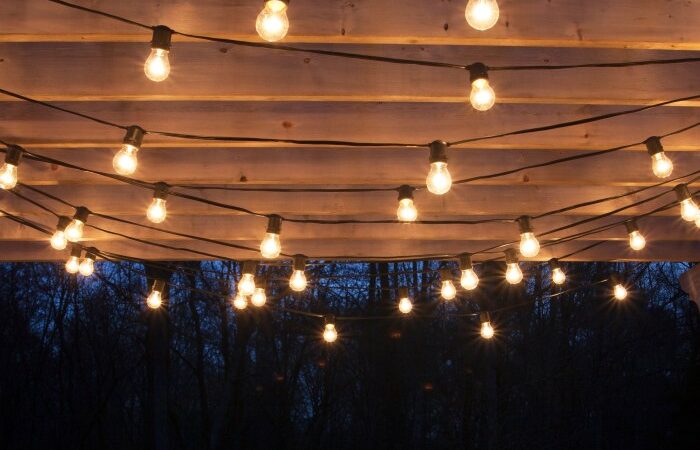
Outdoor lights for the patio transform your outdoor space from a simple area to a captivating oasis. Whether you’re aiming for a warm, inviting glow or a vibrant, party-ready atmosphere, choosing the right patio lighting is key. This guide walks you through the various types of outdoor lights, helping you select the perfect illumination for your patio’s size, style, and personal preferences.
We’ll cover everything from string lights’ whimsical charm to the focused brilliance of spotlights, comparing their pros and cons, installation, and maintenance. Learn how to create a lighting plan that highlights your patio’s best features, sets the right mood, and even boosts energy efficiency. Get ready to illuminate your evenings!
Types of Outdoor Patio Lights
Choosing the right outdoor patio lights can dramatically transform your outdoor space. Different types offer varying levels of brightness, style, and durability. Let’s explore the popular options available.
String Lights
String lights are a versatile and popular choice for patios, offering a warm and inviting ambiance. They come in various styles, from classic Edison bulbs to modern LED designs. Their flexibility allows for creative arrangements, draping them across pergolas, fences, or even strung between trees. While generally less bright than other options, their charm lies in their soft, diffused glow. Durability varies greatly depending on the material and quality of the bulbs and wiring; some are weatherproof while others are not. Energy efficiency is generally good with LED options.
- Styles: Edison bulb, globe lights, fairy lights, LED rope lights.
- Pros: Affordable, versatile, and easy to install.
- Cons: Can be less bright, and durability varies.
Lanterns
Source: clickalights.com
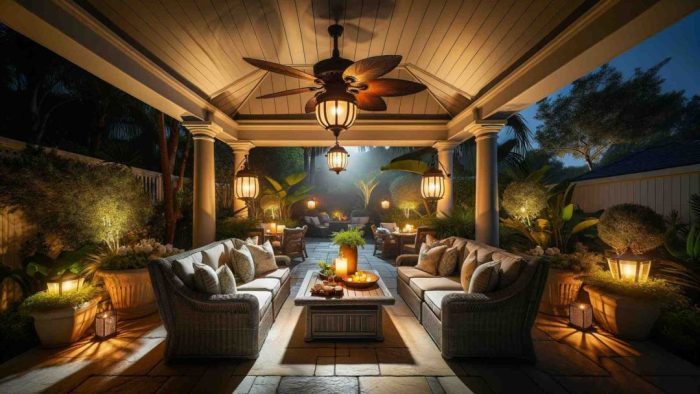
Patio lanterns provide a more focused and stylish illumination compared to string lights. They offer a range of designs, from traditional metal lanterns to sleek modern glass options. They can be hung from ceilings, placed on tables, or mounted on posts. Durability is generally high with weather-resistant materials. Energy efficiency depends on the bulb type; LED lanterns are the most efficient.
- Styles: Moroccan, Asian-inspired, modern minimalist, rustic.
- Pros: Stylish, create focused light, durable.
- Cons: Can be more expensive than string lights, and may require more installation effort.
Spotlights
Spotlights are ideal for highlighting specific features on your patio, such as plants, artwork, or architectural details. They provide a focused beam of light, creating dramatic effects. They are typically more energy-efficient with LED technology and offer high durability with weatherproof casings. Styles range from simple and functional to elegant and decorative.
- Styles: Adjustable head spotlights, recessed spotlights, wall-mounted spotlights.
- Pros: Highly directional light, energy-efficient (LED), durable.
- Cons: Can be harsh if not used correctly, and requires careful placement.
Path Lights
Path lights are designed to illuminate walkways and pathways, ensuring safety and enhancing the aesthetic appeal of your patio area. They come in various styles, from solar-powered options to low-voltage LED lights. Durability is important here, as they’re often exposed to the elements. They usually offer a soft, ambient glow, enhancing safety without being overly bright.
- Styles: Solar-powered, stake lights, bollard lights.
- Pros: Enhance safety, and create a welcoming atmosphere.
- Cons: Can be less bright than other options, solar options depend on sunlight.
Comparison Table, Outdoor lights for patio
| Light Type | Price Range | Lifespan (Hours) | Installation Difficulty |
|---|---|---|---|
| String Lights | $10 – $100+ | 2000-50000+ (LED) | Easy |
| Lanterns | $20 – $200+ | 2000-50000+ (LED) | Moderate |
| Spotlights | $30 – $150+ | 20000-50000+ (LED) | Moderate to Difficult |
| Path Lights | $15 – $50+ | 5000-20000+ (LED) | Easy to Moderate |
Choosing the Right Lighting for Your Patio
Selecting the perfect patio lighting involves considering several key factors to ensure both functionality and aesthetic appeal. The size of your patio, the desired ambiance, your existing decor, and your budget all play crucial roles.
Factors to Consider
Patio size dictates the number and type of lights needed for adequate illumination. A small patio might only require a few string lights or lanterns, while a large patio may benefit from a combination of spotlights, path lights, and ambient lighting. The desired ambiance, whether it’s romantic, modern, or rustic, should guide your lighting choices. Warm white light creates a cozy atmosphere, while cool white light is more energizing. Colored lights can add a festive touch. Your existing decor should complement your lighting choices; a modern patio might suit sleek spotlights, while a rustic patio might look better with lanterns.
Lighting Plan Examples
Source: earlyexperts.net
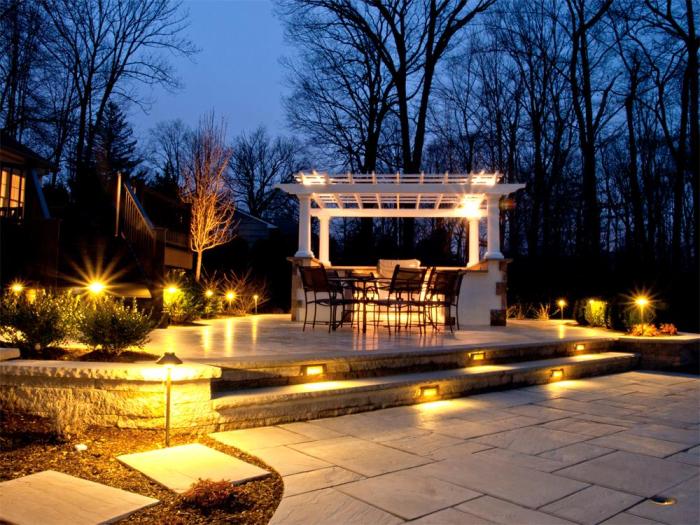
Small Patio: A string of warm-white Edison bulb string lights draped across a pergola, combined with two small lanterns on the patio table, creates a charming and intimate setting. Large Patio: A combination of path lights lining the walkway, spotlights highlighting key plants and features, and several hanging lanterns creates a well-lit and aesthetically pleasing space. Mediterranean-style patios might benefit from warm-toned lanterns and string lights, while tropical patios could incorporate colorful string lights and path lights.
Installation and Maintenance of Patio Lights
Installing and maintaining your patio lights correctly ensures both safety and longevity. Different types of lights have different installation requirements and maintenance needs. Always prioritize safety when working with electricity.
Installation Steps
Source: christmaslightsetc.com
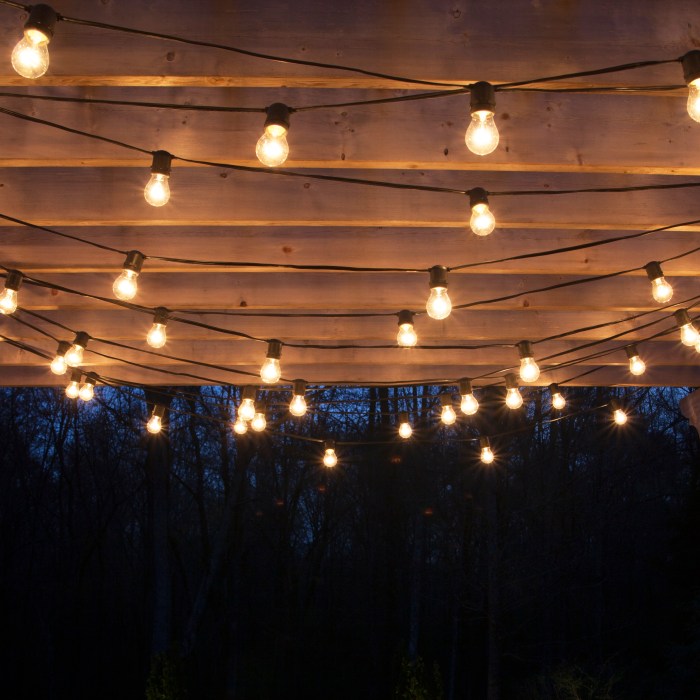
String lights are generally the easiest to install, often requiring simply plugging them in and hanging them. Lanterns may require mounting hardware or hanging chains. Spotlights and path lights usually need electrical wiring and may require professional installation depending on the complexity. Always turn off the power before working with any electrical connections. For string lights, carefully plan the layout and ensure sufficient slack to avoid stretching or breakage. Secure the lights firmly to avoid accidental detachment.
Maintenance and Troubleshooting
Regularly inspect your lights for damage, loose connections, or burned-out bulbs. Clean the lights gently with a damp cloth to remove dirt and debris. If a light isn’t working, check the bulbs, connections, and power source. For solar lights, ensure the solar panels are clean and receive adequate sunlight. Replacing bulbs regularly, especially with LED options, can extend their lifespan. Regular maintenance helps to prevent more significant problems and prolongs the life of your outdoor lighting.
Step-by-Step Guide for Installing String Lights
- Plan the layout and measure the required length of string lights.
- Gather necessary tools: measuring tape, zip ties or hooks, and potentially a ladder.
- Turn off the power to the outdoor outlet.
- Secure the lights using zip ties, hooks, or other appropriate fasteners.
- Plug in the lights and test them.
Safety Considerations for Outdoor Patio Lighting
Safety is paramount when dealing with outdoor lighting. Electrical shocks and fire hazards are potential risks if proper precautions aren’t taken. Adhering to safety regulations and best practices is essential.
Safety Hazards and Regulations
Always use lights with appropriate safety certifications, such as UL or ETL listings. Avoid overloading circuits and ensure that wiring is properly insulated and protected from moisture. Never touch electrical components while the power is on. Keep lights away from flammable materials. Regular inspection can help identify potential problems early on. Local building codes may have specific regulations regarding outdoor lighting installation.
Safety Tips
- Use lights with appropriate safety certifications (UL, ETL).
- Never touch electrical components while the power is on.
- Keep lights away from flammable materials.
- Use ground fault circuit interrupters (GFCIs) for outdoor outlets.
- Inspect lights regularly for damage.
Energy Efficiency and Sustainability: Outdoor Lights For Patio
Choosing energy-efficient lighting options significantly reduces your carbon footprint and lowers your electricity bills. LED lights are a superior choice compared to incandescent bulbs.
Energy Consumption Comparison
LED lights consume significantly less energy than incandescent bulbs. Solar-powered lights offer a sustainable option, reducing reliance on the electrical grid. The energy savings from switching to LED lights can be substantial, depending on the number of lights and their usage. A simple calculation can demonstrate the potential savings: (Watts of old bulb – Watts of new LED bulb) * hours of use * cost per kilowatt-hour.
Environmental Impact
Incandescent bulbs have a shorter lifespan and produce more heat than LED lights, leading to higher energy consumption and a larger carbon footprint. LEDs have a longer lifespan and produce less heat, resulting in lower energy consumption and a smaller environmental impact. Solar-powered lights offer an even more sustainable solution, reducing reliance on fossil fuels for electricity generation.
Creative Lighting Ideas for Patios
Creative use of lighting can transform your patio into a stunning and inviting space. Strategic placement and selection of light types can highlight features and create different moods.
Highlighting Features and Creating Ambiance
Uplighting can highlight trees or architectural features, while downlighting can illuminate seating areas or walkways. Accent lighting can focus on specific plants or artwork. Using a mix of warm and cool white lights can create a layered effect. Colored lights can add a festive or thematic touch. A combination of different light types and techniques can create a unique and visually appealing atmosphere. For example, using spotlights to highlight a water feature, string lights to create a romantic ambiance, and path lights to ensure safety and guide movement.
Patio Lighting Design Example
Imagine a Mediterranean-style patio with a stucco wall and terracotta pots. Warm-white string lights are draped across the pergola, creating a soft glow. Spotlights highlight the lush greenery and a small fountain. Path lights line the walkway leading to the patio, providing both safety and visual appeal. Several Moroccan-style lanterns hang from the pergola, adding a touch of elegance and sophistication. The combination of light types and placement creates a welcoming and romantic atmosphere, perfect for relaxing evenings.
Final Thoughts
Transforming your patio into a magical outdoor haven is easier than you think! By understanding the different types of outdoor lighting available, considering your patio’s unique features, and prioritizing safety, you can create a space that’s both beautiful and functional. Remember to choose energy-efficient options and enjoy the enhanced ambiance and extended usability your beautifully lit patio offers. Happy illuminating!
Frequently Asked Questions
How often should I clean my outdoor patio lights?
Clean your lights at least twice a year, more often if needed, depending on weather conditions. Dust and debris can reduce light output and shorten lifespan.
Are solar-powered patio lights truly energy-efficient?
Yes, but their brightness and runtime depend on sunlight exposure. They’re great for supplemental lighting or areas with ample sun.
What’s the best way to protect my outdoor lights from the elements?
Choose lights with a high IP rating (Ingress Protection) for water and dust resistance. Proper installation, away from direct water sources, is also crucial.
Can I use indoor lights outdoors?
Not! Indoor lights lack the necessary protection against moisture and extreme temperatures, posing safety risks.
How do I determine the correct wattage for my patio lights?
Consider the size of your patio and the desired brightness. Start with lower wattage and increase if needed. Always check the fixture’s maximum wattage rating.
Comments are closed.