Decorative Exterior Lighting Illuminate Your Home

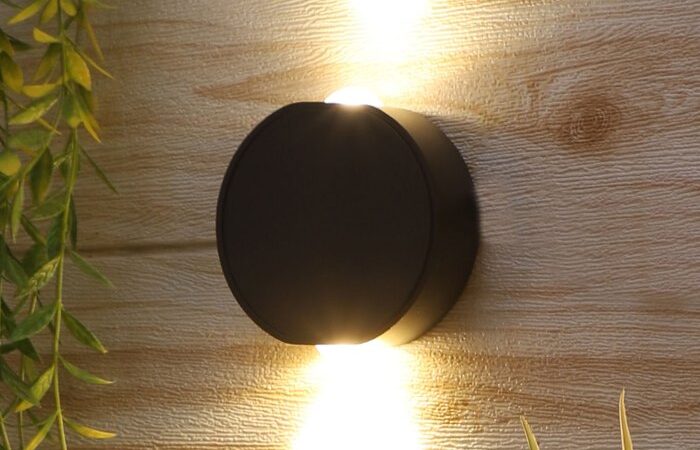
Decorative exterior lighting transforms your home’s curb appeal, enhancing safety and creating a welcoming atmosphere. From subtle path lighting guiding guests to dramatic spotlights highlighting architectural details, the right lighting choices can dramatically alter the look and feel of your outdoor space. We’ll explore various lighting types, materials, placement techniques, and energy-efficient options to help you design the perfect illumination for your home.
This guide covers everything from choosing the best fixtures for your architectural style to understanding lighting techniques that create ambiance and highlight key features. We’ll delve into the practical aspects of installation, maintenance, and safety regulations, ensuring you create a beautiful and functional outdoor lighting scheme. Get ready to shine a light on your home’s potential!
Decorative Exterior Lighting: A Comprehensive Guide
Transforming your outdoor space into a welcoming and visually stunning environment involves careful consideration of decorative exterior lighting. This guide provides a comprehensive overview of different lighting types, materials, placement strategies, energy-efficient options, and safety regulations to help you achieve the perfect ambiance for your home.
Types of Decorative Exterior Lighting
Various lighting options cater to different needs and aesthetics. Understanding their features and applications is crucial for effective outdoor illumination.
| Type | Features | Common Applications | Typical Light Sources |
|---|---|---|---|
| Path Lighting | Low-level illumination, often embedded in pathways or ground. | Garden paths, walkways, driveways. | LED, low-voltage halogen. |
| Wall Sconces | Mounted on walls, providing ambient or accent lighting. | Entryways, patios, porches. | LED, incandescent, halogen. |
| Floodlights | High-intensity illumination, ideal for wide areas. | Large yards, security lighting, building facades. | LED, metal halide, high-pressure sodium. |
| String Lights | Versatile and decorative, creating a festive or romantic atmosphere. | Patios, gardens, pergolas, trees. | LED, incandescent. |
| Spotlights | Focused beams of light, highlighting specific features. | Architectural details, trees, sculptures, water features. | LED, halogen, metal halide. |
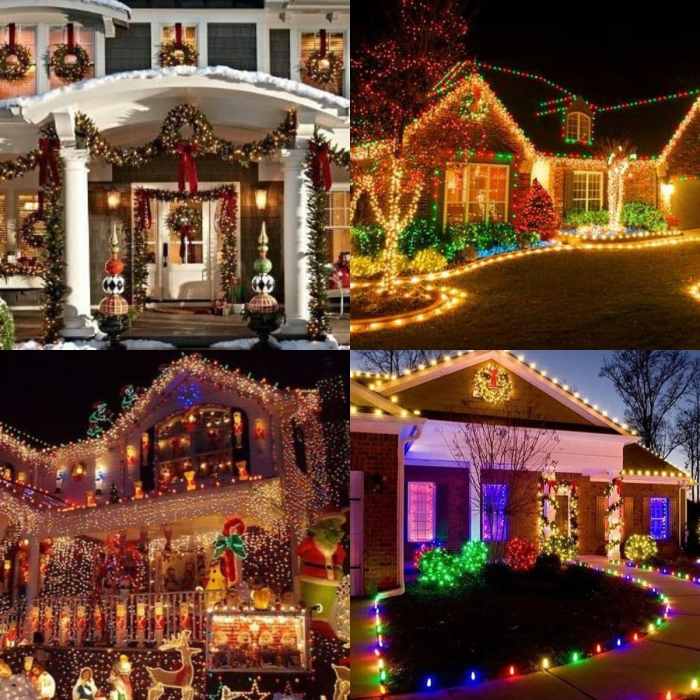
Aesthetically, modern styles often feature sleek, minimalist designs with clean lines and subtle illumination. Traditional styles incorporate ornate details, classic shapes, and warmer light tones. Rustic styles emphasize natural materials and textures, often using warmer, amber-toned lights to create a cozy atmosphere.
Energy efficiency and maintenance vary significantly. LED lighting is generally the most energy-efficient and long-lasting, requiring minimal maintenance. Traditional incandescent bulbs consume more energy and have shorter lifespans. High-pressure sodium lights are energy-efficient but may require more frequent maintenance.
Materials and Finishes for Exterior Lighting Fixtures
Source: craftsyhacks.com
The choice of materials and finishes significantly impacts the durability, weather resistance, and aesthetic appeal of your outdoor lighting.
- Metal: Durable, weather-resistant (with proper finishes), offers a wide range of styles. Aluminum is lightweight, while wrought iron provides a more ornate look. Steel requires protective coatings to prevent rust.
- Glass: Elegant, allows for light diffusion, but can be fragile and requires careful handling. Tempered glass is more durable.
- Plastic: Lightweight, and affordable, but may not be as durable or aesthetically pleasing as metal or glass. High-quality plastics offer better weather resistance.
- Stone: Durable, weather-resistant, adds a natural, elegant touch, but can be heavy and expensive.
| Finish | Suitability | Pros | Cons |
|---|---|---|---|
| Bronze | Traditional, rustic, transitional styles. | Classic look develops a patina over time. | Can tarnish if not properly maintained. |
| Black | Modern, contemporary, transitional styles. | Versatile, sleek appearance. | Can show scratches and dirt easily. |
| White | Modern, minimalist, coastal styles. | Clean, bright appearance. | Can become discolored over time. |
| Brushed Nickel | Modern, transitional styles. | Sleek, contemporary look. | Can show fingerprints easily. |
Maintenance issues depend on the materials. Metal fixtures may rust or corrode without proper protective coatings. Glass can break, while plastic can fade or crack under harsh weather conditions. Regular cleaning is essential to maintain the appearance and functionality of all fixtures.
Placement and Design Considerations for Exterior Lighting
Source: theperfectlight.com
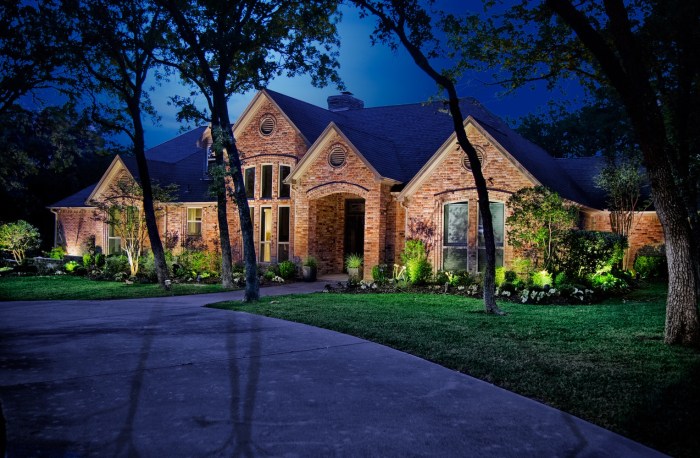
Strategic placement of lighting enhances both safety and aesthetics. Properly placed lights illuminate pathways, deter intruders, and highlight architectural features.
Light layering involves using a combination of ambient, task, and accent lighting to create a balanced and visually appealing outdoor lighting scheme. Ambient lighting provides overall illumination, task lighting focuses on specific areas (like pathways), and accent lighting highlights architectural details or landscaping elements.
Design principles for highlighting architectural features include uplighting to emphasize building facades, downlighting to illuminate walkways and patios, and backlighting to create dramatic shadows and textures. Landscaping can be highlighted using path lighting, spotlights, and string lights to create focal points and define spaces. Pathways should be well-lit for safety and visual appeal.
Illumination Techniques and Effects
Light color significantly impacts mood and ambiance. Warm white (2700-3000K) creates a cozy, inviting atmosphere, while cool white (5000-6500K) offers a brighter, more modern feel. Colored lights can be used for special occasions or to create a dramatic effect.
Uplighting directs light upwards, highlighting architectural features or trees. Downlighting casts light downwards, illuminating pathways and patios. Backlighting creates silhouettes and adds depth to landscaping elements.
- A water feature can be dramatically highlighted using underwater lights or spotlights positioned to accentuate its movement and texture.
- A garden sculpture can be showcased using spotlights positioned to create dramatic shadows and highlight its details.
- A pergola can be transformed into a magical space using string lights or lanterns hung from its beams.
Energy Efficiency and Sustainability in Exterior Lighting
Source: squarespace-cdn.com
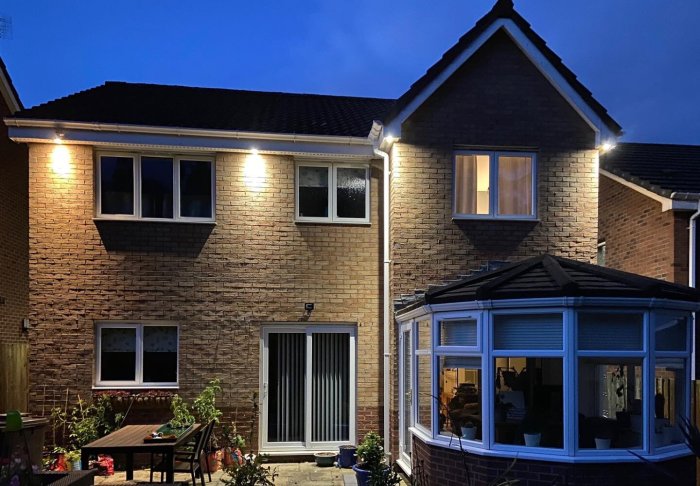
Choosing energy-efficient lighting technologies is crucial for reducing energy consumption and environmental impact.
| Technology | Lifespan (hours) | Energy Consumption (Watts) | Environmental Impact |
|---|---|---|---|
| LED | 50,000+ | Variable, generally low | A low, long lifespan reduces waste. |
| Solar | Variable depends on panel and battery | 0 (during operation) | Low, relies on renewable energy. |
| Incandescent | 1,000 | High | High, short lifespan, and high energy consumption. |
Motion sensors and timers automatically turn lights on and off, reducing energy waste. Motion sensors activate lights only when needed, while timers schedule lighting according to your preferences.
Solar-powered outdoor lighting requires minimal installation. Simply mount the fixture and ensure adequate sunlight exposure. Maintenance involves cleaning the solar panels periodically to maximize energy absorption and replacing batteries as needed.
Safety Regulations and Considerations
Outdoor lighting installation and maintenance pose potential safety hazards. Proper precautions are essential to prevent accidents.
To prevent electrical shocks, always turn off power before working on electrical fixtures. Use insulated tools and ensure all connections are properly grounded. To prevent fire hazards, use appropriate wiring and ensure fixtures are properly sealed against moisture. Never overload circuits.
A safety checklist should include verifying local building codes and regulations, using appropriate safety equipment, obtaining necessary permits, and ensuring proper grounding and insulation.
Illustrative Examples of Decorative Exterior Lighting Designs
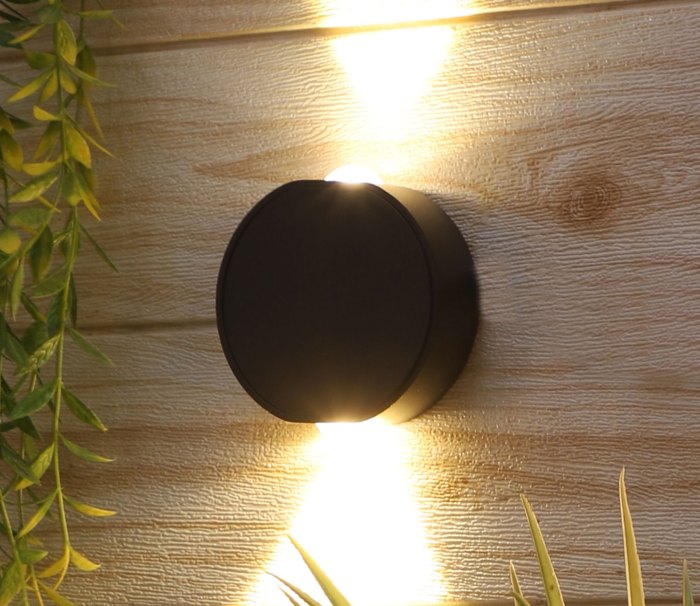
Source: woodenstreet.de
Three diverse scenarios showcase how lighting transforms outdoor spaces.
Scenario 1: Modern Minimalist Courtyard: A contemporary courtyard features sleek, brushed nickel wall sconces with cool white LED lights providing ambient illumination. Path lighting with low-voltage LED lights guides visitors through the space. Spotlights highlight a minimalist water feature. The overall effect is clean, modern, and sophisticated.
Scenario 2: Rustic Farmhouse Garden: A rustic farmhouse garden utilizes bronze-finished lanterns with warm white incandescent bulbs for ambient lighting. String lights add a whimsical touch to the trees. Path lighting with low-voltage LED lights guides visitors through the flowerbeds. The overall effect is warm, inviting, and charming.
Scenario 3: Victorian-style home with Grand Entrance: A Victorian home’s grand entrance is enhanced by ornate wall sconces with warm white LED lights. Floodlights highlight the home’s architectural details. Path lighting guides visitors to the front door. The overall effect is elegant, dramatic, and grand.
Closing Notes
Designing effective decorative exterior lighting involves careful consideration of several factors, from the style of your home to the desired ambiance. By understanding the different types of lighting fixtures, materials, and placement techniques, you can create a stunning and functional outdoor space. Remember to prioritize energy efficiency and safety throughout the process. With a little planning and creativity, you can transform your home’s exterior into a captivating nighttime spectacle. So, start illuminating your dreams today!
Essential FAQs
What is the average lifespan of LED outdoor lights?
LED outdoor lights typically last 50,000 hours or more, significantly longer than traditional incandescent or halogen bulbs.
How often should I clean my outdoor light fixtures?
Clean your fixtures at least twice a year, or more often if they are in areas exposed to heavy dirt or debris. Use a soft cloth and mild detergent.
Can I use indoor lighting fixtures outdoors?
No, indoor fixtures lack the weatherproofing needed for outdoor use. Always use fixtures specifically rated for outdoor applications.
Are solar-powered lights a good option?
Solar lights are great for low-light applications and environmentally conscious homeowners, but their brightness might be limited and they rely on sufficient sunlight.
How do I choose the right color temperature for my outdoor lighting?
Warm white (2700-3000K) creates a cozy ambiance, while cool white (5000-6500K) provides a brighter, more modern feel. Consider the overall mood you want to achieve.
Comments are closed.