Outdoor Lighting Design Ideas Illuminate Your Space

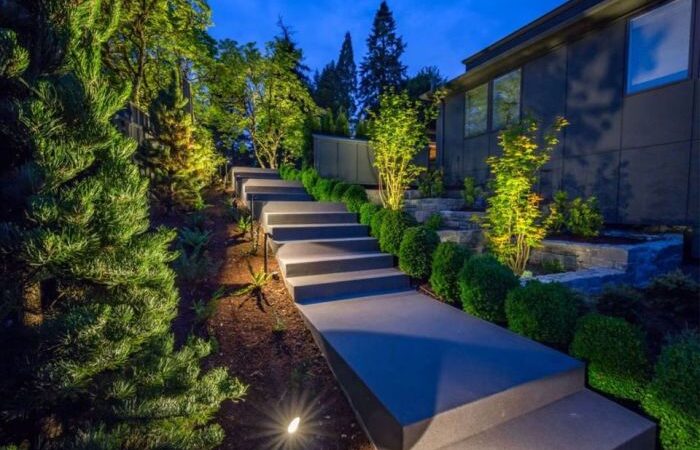
Outdoor lighting design ideas aren’t just about illuminating your yard; they’re about transforming it. Think of it as painting with light – creating mood, highlighting features, and enhancing safety and security. From the subtle glow of path lights guiding guests to a dramatic spotlight showcasing a majestic tree, the possibilities are endless. This guide explores various lighting types, design strategies for different spaces, and how to create the perfect ambiance, all while focusing on energy efficiency and safety.
We’ll delve into the specifics of choosing the right fixtures – LEDs, halogens, or solar – and matching them to your outdoor areas. Whether you’re designing for a cozy patio, or a sprawling backyard, or simply want to enhance your home’s architectural features, we’ll provide practical advice and inspiring examples to help you bring your vision to life. Get ready to shed light on the potential of your outdoor spaces!
Outdoor Lighting Design Ideas
Transforming your outdoor spaces at night can be as simple as adding the right lighting. This guide provides a casual yet informative walkthrough of outdoor lighting design, covering various fixture types, design strategies for different spaces, ambiance creation, energy efficiency, safety considerations, and illustrative examples. Let’s illuminate your outdoor haven!
Types of Outdoor Lighting Fixtures
Numerous outdoor lighting fixtures cater to different needs and aesthetics. Each has unique material, style, and energy efficiency considerations. We’ll explore several popular choices and their characteristics.
- Path Lights: These low-profile lights line walkways, providing both safety and subtle illumination. Materials range from durable metal to weather-resistant plastic, with styles varying from classic to modern. LED path lights are particularly energy-efficient.
- Spotlights: Designed to highlight specific features, spotlights offer focused illumination. Materials include metal and plastic, with adjustable heads for precise beam direction. LED spotlights are a popular energy-efficient option.
- Floodlights: Providing broad illumination, floodlights are ideal for security and larger areas. Durable materials like aluminum are common. While powerful, LED floodlights offer significant energy savings compared to traditional options.
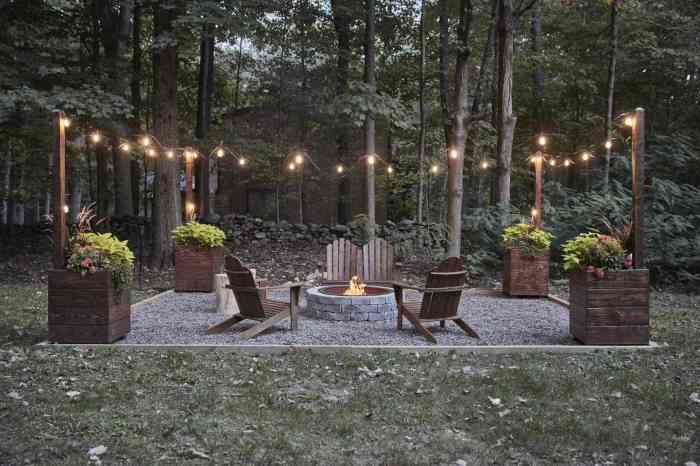
- String Lights: These versatile lights add ambiance and decorative flair. Materials include plastic and metal, with a variety of styles and bulb types available. LED string lights offer a longer lifespan and lower energy consumption.
Comparing Lighting Technologies
Different lighting technologies offer varying benefits and drawbacks. Understanding these differences is crucial for making informed decisions.
- LED (Light Emitting Diode): Highly energy-efficient, long lifespan, durable, available in various color temperatures.
- Incandescent: Relatively inexpensive upfront, produces warm light, short lifespan, inefficient energy consumption.
- Halogen: Brighter than incandescent, longer lifespan than incandescent, still less energy-efficient than LED.
Outdoor Lighting Fixture Comparison
This table compares four common outdoor lighting fixture types.
| Fixture Type | Typical Wattage | Light Output (Lumens) | Suitability |
|---|---|---|---|
| Path Light (LED) | 5W | 300-500 | Walkways, gardens |
| Spotlight (LED) | 10W | 800-1200 | Architectural features, trees |
| Floodlight (LED) | 50W | 4000-6000 | Large areas, security |
| String Lights (LED) | Variable (per bulb) | Variable | Patios, decks, pergolas |
Designing for Small Patio Areas
A small patio benefits from lighting that balances ambiance and functionality. Careful placement is key to creating a welcoming and well-lit space.
For a small patio, consider using low-voltage path lights to define the perimeter. Add a few strategically placed spotlights to highlight plants or architectural details. Warm-toned LED string lights can create a cozy atmosphere above the seating area. Maintain a low light intensity to avoid overwhelming the space.
Designing for Large Backyard Areas
Source: warisanlighting.com
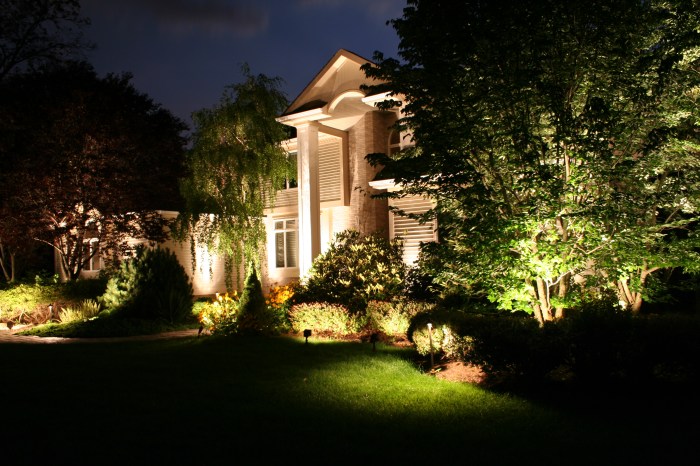
Large backyards require a more comprehensive lighting plan that addresses safety, security, and aesthetics. Different fixture types and placement strategies are needed.
For safety, install path lights along walkways and stairs. Floodlights can illuminate larger areas, deterring intruders. Spotlights can highlight trees or other landscape features. Consider using a mix of warm and cool-toned lighting to create visual interest and depth. Motion-sensor lights can enhance security in strategic locations.
Highlighting Architectural Features
Outdoor lighting can dramatically enhance a home’s architectural features. Strategic placement of fixtures can draw attention to desirable elements.
Uplighting can accentuate columns or walls, while downlighting can highlight doorways or other architectural details. Using spotlights to highlight textured surfaces adds depth and visual interest. Consider the architectural style of the house when selecting fixture styles and color temperatures.
Creating Ambiance with Color Temperature
Color temperature significantly impacts the mood of an outdoor space. Warm, cool, and neutral tones evoke different feelings.
Warm-toned lighting (2700K-3000K) creates a cozy and inviting atmosphere, ideal for patios and seating areas. Cool-toned lighting (5000K-6500K) provides a more modern and energetic feel, suitable for walkways or security lighting. Neutral-toned lighting (3500K-4100K) offers a balanced approach.
Creating Focal Points with Lighting
Strategic lighting can draw attention to specific features, creating visual focal points in an outdoor area.
Highlight a water feature with underwater lighting or spotlights. Use uplighting to emphasize a large tree or sculpture. Create a warm and inviting atmosphere around a seating area with string lights or lanterns. The key is to use lighting to guide the eye and create visual interest.
Garden Path Lighting Design
A well-lit garden path enhances both safety and aesthetic appeal. Careful fixture selection and placement are essential.
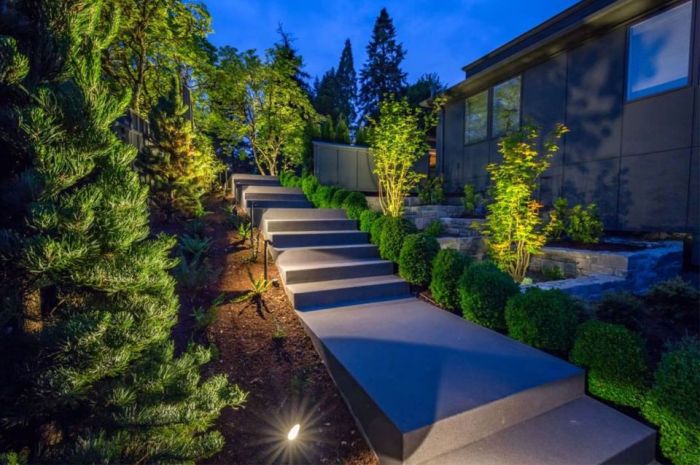
Use low-voltage path lights to line the path, providing soft illumination without being intrusive. Consider using solar-powered path lights for a sustainable option. Incorporate different heights and styles of lights to add visual interest. The goal is to create a safe and inviting pathway that complements the garden’s design.
Energy-Efficient Lighting Technologies
Using energy-efficient lighting technologies, such as LEDs, significantly reduces energy consumption and operating costs.
LEDs use up to 75% less energy than incandescent bulbs and last much longer. Switching to LED outdoor lighting can result in substantial energy savings over the long term. For example, replacing ten 100-watt incandescent floodlights with 15-watt LED equivalents would save approximately 850 watts per hour of operation.
Incorporating Solar-Powered Lighting
Source: stylemotivation.com
Solar-powered lighting offers a sustainable and environmentally friendly option for outdoor illumination.
Solar lights require minimal installation and maintenance, harnessing sunlight to charge their batteries. However, their effectiveness depends on sunlight availability. Solar lights are ideal for low-light applications like path lighting or accent lighting, but may not be sufficient for high-intensity security lighting.
Tips for Reducing Energy Consumption
Several simple steps can help maximize the lifespan and energy efficiency of outdoor lighting fixtures.
- Use motion sensors to activate lights only when needed.
- Choose energy-efficient LED bulbs.
- Regularly clean fixtures to maintain optimal light output.
- Turn off lights when not in use.
- Use timers to schedule lighting automatically.
Safety Considerations in Outdoor Lighting Design, Outdoor Lighting Design Ideas
Careful planning prevents glare and ensures adequate illumination of walkways, enhancing safety.
Avoid placing lights directly in the line of sight, minimizing glare. Ensure adequate illumination of walkways and stairs to prevent trips and falls. Use low-voltage lighting where appropriate to reduce the risk of electric shock. Properly ground all electrical connections to prevent hazards.
Outdoor Lighting for Enhanced Home Security
Strategic lighting placement deters intruders and improves overall home security.
Install motion-sensor lights near entrances and vulnerable areas. Use floodlights to illuminate the perimeter of the property. Vary lighting levels to create a dynamic and less predictable environment for potential intruders. Well-lit areas deter criminal activity and create a sense of security.
Best Practices for Safe Outdoor Lighting Installation
Source: futurecdn.net
Following these best practices ensures safe and effective installation.
- Turn off the power before working on electrical connections.
- Use appropriate wiring and connectors.
- Install fixtures securely and according to manufacturer instructions.
- Use ground fault circuit interrupters (GFCIs) for outdoor circuits.
- Regularly inspect and maintain lighting fixtures.
Illustrative Example: Beautifully Lit Patio
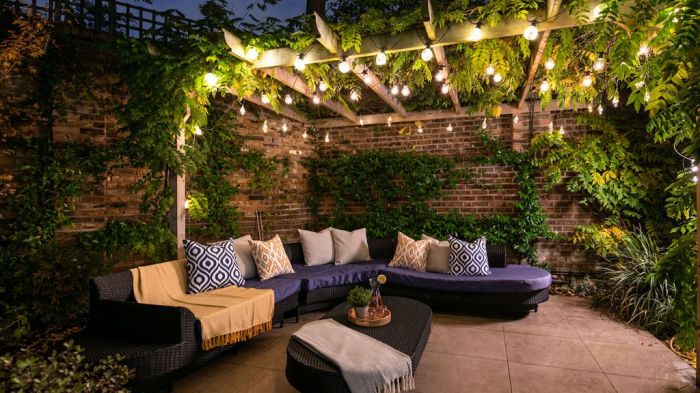
Imagine a cozy patio at night, bathed in the warm glow of 2700K LED string lights strung across a pergola. Low-voltage path lights line the perimeter, softly illuminating the flagstone walkway. A spotlight highlights a vibrant bougainvillea climbing the wall, casting dramatic shadows. The overall effect is one of relaxed sophistication and inviting warmth.
Illustrative Example: Landscape Lighting Design
Picture a meticulously landscaped garden, where strategically placed spotlights highlight the textures of various plants. Path lights guide the way through winding walkways, illuminating the subtle variations in stone and plant life. Uplighting emphasizes the height and grandeur of mature trees, creating a dramatic and visually stunning nighttime scene.
Illustrative Example: Warm vs. Cool Lighting
In one scene, imagine a romantic patio setting with warm-toned (2700K) lighting casting a golden hue on the furniture and creating a cozy, intimate atmosphere. In contrast, another scene depicts a modern, minimalist patio with cool-toned (5000K) lighting, giving it a clean, sleek, and energetic ambiance. The difference in color temperature significantly alters the overall mood and aesthetic.
Final Conclusion
Source: thespruce.com
Designing outdoor lighting is a creative process that blends functionality with aesthetics. By carefully considering the type of lighting, placement, and color temperature, you can transform your outdoor spaces into inviting and safe havens. Remember, effective outdoor lighting is more than just illumination; it’s about creating a mood, enhancing security, and showcasing the beauty of your surroundings. Let your imagination guide you, and illuminate your outdoor world with style and purpose.
FAQ: Outdoor Lighting Design Ideas
What is the best color temperature for outdoor lighting?
It depends on the desired ambiance. Warm white (2700-3000K) is cozy and inviting, perfect for patios and seating areas. Cool white (5000-6500K) is brighter and better for security and pathways.
How often should I replace my outdoor light bulbs?
LEDs last much longer than traditional bulbs (15,000-50,000 hours), but you should still check them periodically for damage or dimming. Traditional bulbs will need replacing more frequently, following manufacturer guidelines.
How do I prevent glare from outdoor lights?
Use shielded fixtures that direct light downwards, avoiding direct exposure to the eyes. Consider the placement carefully; aim light away from windows and neighbor’s properties.
Are solar-powered outdoor lights a good option?
Solar lights are eco-friendly and require no wiring, but their brightness and longevity can vary depending on sunlight exposure. They’re great for low-light accent lighting but might not suffice for strong illumination.
Comments are closed.