Smart Outdoor Lighting A Complete Guide

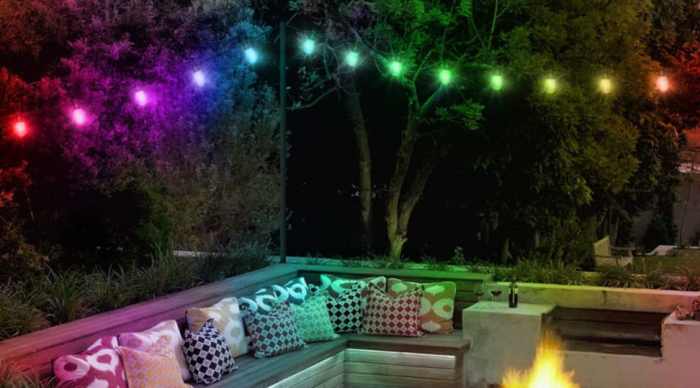
Smart outdoor lighting transforms your home’s exterior, offering more than just illumination. It’s about enhancing security, saving energy, and adding a touch of style. From sleek spotlights to charming string lights, smart outdoor lighting systems provide convenient control and customizable features, letting you set the perfect ambiance for any occasion. This guide explores the various types, features, installation processes, and benefits of embracing this innovative technology.
We’ll delve into the different types of smart outdoor lighting available, comparing their energy efficiency and exploring various power sources. We’ll then cover the exciting smart features, like scheduling and motion detection, and show you how to control your lights using apps, voice commands, or remote controls. Finally, we’ll look at how smart outdoor lighting improves home security, saves you money on energy bills, and enhances your home’s aesthetic appeal.
Types of Smart Outdoor Lighting
Smart outdoor lighting offers a fantastic way to enhance your home’s security, aesthetics, and energy efficiency. Choosing the right type depends on your specific needs and preferences, considering factors like placement, desired brightness, and the overall style you’re aiming for. Let’s explore the various options available.
Smart Outdoor Lighting Categories
The following table categorizes different types of smart outdoor lighting, outlining their features and typical applications.
| Type | Features | Applications | Example |
|---|---|---|---|
| Path Lights | Low-level illumination, often solar-powered, energy-efficient LEDs. | Lighting walkways, garden paths, and driveways for safety and ambiance. | Small, discreet lights embedded in the ground, softly illuminating a pathway. |
| Floodlights | High-intensity illumination, wide coverage area, and motion sensors are often included. | Security lighting for entrances, garages, and backyards; illuminating large areas. | Bright lights mounted on the house, provide broad illumination of the property. |
| Spotlights | Focused beam, adjustable direction, ideal for highlighting architectural features or landscaping. | Accentuating trees, statues, fountains, or other architectural details. | A powerful light is directed at a specific feature, such as a fountain, to enhance its visual appeal. |
| String Lights | Versatile, decorative, available in various styles and colors, often low-voltage. | Creating ambiance on patios, decks, pergolas, or around trees; festive decorations. | A string of LED lights wrapped around a tree or draped across a patio, adds a warm glow. |
Energy Efficiency in Smart Outdoor Lighting
Different lighting technologies offer varying levels of energy efficiency. LED (Light Emitting Diode) lighting is significantly more energy-efficient than incandescent bulbs. LEDs consume considerably less energy to produce the same amount of light, leading to lower electricity bills and a smaller carbon footprint. Incandescent bulbs generate a lot of heat as a byproduct, wasting energy, while LEDs produce far less heat. For example, a 10-watt LED bulb can produce the same amount of light as a 60-watt incandescent bulb.
Smart Outdoor Lighting Power Sources
The choice of power source impacts both convenience and cost. Here’s a comparison:
| Power Source | Pros | Cons |
|---|---|---|
| Mains (Electricity) | Reliable, consistent brightness, high power output. | Requires wiring, potentially higher energy costs if not using energy-efficient bulbs. |
| Solar | Environmentally friendly, low maintenance, no wiring required. | Dependent on sunlight, may not be bright enough in low-light conditions, limited power output. |
| Battery | Wireless, flexible placement, can be used in areas without mains power. | Requires regular battery replacement or recharging, limited run time, maybe less bright. |
Smart Features and Functionality
Smart outdoor lighting offers a range of advanced features beyond simple on/off switching, enhancing both convenience and security. These features often integrate seamlessly with other smart home devices, creating a unified and automated system. Let’s explore some key functionalities and how they work.
Smart outdoor lighting systems go far beyond basic illumination. They leverage technology to provide automated control, enhanced security, and energy efficiency. This translates to a more convenient, safer, and environmentally conscious outdoor space.
Advanced Features
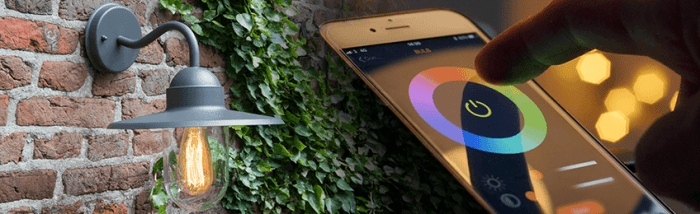
Many smart outdoor lighting systems boast a suite of advanced features designed to improve user experience and home security. Scheduling allows you to set precise times for lights to turn on and off, mimicking your presence even when you’re away. Motion detection sensors trigger lights automatically when movement is detected, deterring potential intruders. Color-changing capabilities let you customize the ambiance to suit different moods or occasions. Finally, seamless integration with popular smart home ecosystems like Google Home, Amazon Alexa, and Apple HomeKit allows for centralized control and automation with other smart devices. For example, you could program your lights to turn on when your smart doorbell detects someone approaching your front door, providing an added layer of security.
Control Methods
Several methods exist for controlling your smart outdoor lighting, each with its advantages and disadvantages.
Choosing the right control method depends on your preferences and technological comfort level. Each option offers unique benefits and drawbacks.
- Mobile App:
- Advantages: Offers extensive control over individual lights or groups, allows for scheduling and automation, and provides remote access from anywhere with an internet connection.
- Disadvantages: Requires a smartphone or tablet, reliant on internet connectivity for remote access.
- Voice Control:
- Advantages: Hands-free operation, convenient for quick adjustments, integrates seamlessly with smart speakers.
- Disadvantages: Requires a compatible smart speaker, may not be as precise as app-based control.
- Remote Control:
- Advantages: Simple and intuitive, doesn’t require internet connectivity for basic functions.
- Disadvantages: Limited functionality compared to app or voice control, often lacks scheduling and automation features, limited range.
Geofencing Capabilities
Geofencing uses GPS technology to create a virtual boundary around your property. When your smartphone enters or leaves this boundary, your smart outdoor lights automatically adjust accordingly.
Geofencing leverages location data to automate lighting, improving both security and energy efficiency. This intelligent feature offers a significant upgrade to traditional lighting systems.
For example, lights might automatically turn on as you approach your home at night, illuminating your pathway. Conversely, they can switch off automatically when you leave, conserving energy and preventing unnecessary illumination. This feature adds a layer of security by creating the illusion of occupancy, even when you’re away.
Installation and Setup
Source: co.uk
Installing a smart outdoor lighting system might seem daunting, but with a little planning and the right tools, it’s a manageable DIY project. This section will guide you through the process, covering different lighting types and providing a checklist to ensure a smooth installation. Remember to always prioritize safety and consult with a qualified electrician if you’re unsure about any aspect of the electrical work.
Successful installation hinges on careful planning and understanding your specific lighting needs and the capabilities of your chosen smart lighting system. Factors such as the existing wiring, the type of lights, and the placement of the fixtures will all influence the installation process. This section will cover these considerations to help you plan your installation effectively.
Step-by-Step Installation Guide
This guide Artikels the general steps for installing a typical smart outdoor lighting system. Specific steps may vary depending on your chosen system and lighting fixtures. Always refer to the manufacturer’s instructions for your specific products.
- Plan your layout: Determine the placement of your lights, considering factors like coverage area, aesthetics, and existing power sources. Sketch a diagram showing the location of each light and its connection points.
- Gather your tools and materials: (See the tools and materials checklist below). Ensure you have everything you need before you begin.
- Turn off the power: This is crucial for safety. Turn off the power at the breaker box to the circuit you’ll be working on.
- Prepare the wiring: Run the necessary wiring from your power source to each light fixture location. This might involve running new wiring or connecting to existing circuits. Use appropriate outdoor-rated wiring and connectors.
- Install the light fixtures: Mount the light fixtures according to the manufacturer’s instructions. This often involves securing them to a surface (wall, post, etc.) and connecting the wiring.
- Connect the smart components: Connect the smart bulbs or controllers to the fixtures and the power supply. This may involve pairing the devices with your smart home hub.
- Test the system: Turn the power back on at the breaker box and test each light to ensure they are working correctly. Check the functionality of the smart features (e.g., dimming, color changing, scheduling).
- Configure the smart home integration: Use your smart home app to configure the lights, set schedules, and customize settings to your preferences.
Installation Considerations for Different Lighting Types
The installation process can vary depending on the type of outdoor lighting you’re installing. Pathway lights, floodlights, and spotlights each have unique considerations.
Pathway Lights: These often require lower voltage wiring and may be installed directly into the ground or mounted on posts. Careful planning of the pathway is essential to ensure adequate spacing and coverage. Consider using low-voltage transformers to reduce the risk of electrical shock.
Floodlights: These typically require higher wattage and are usually mounted higher up on walls or buildings. Ensure you have appropriate mounting hardware and consider the weight of the fixture when choosing a mounting location. Correct timing is crucial for effective illumination.
Spotlights: Similar to floodlights, but with a more focused beam. Careful placement is essential to highlight specific features or areas. Ensure the mounting location provides a stable and secure base.
Tools and Materials Checklist
Having the right tools and materials readily available will make your installation smoother and more efficient. This checklist includes common items; your specific needs may vary based on your project.
- Voltage tester
- Wire strippers/cutters
- Screwdrivers (Phillips and flathead)
- Drill with appropriate drill bits
- Level
- Measuring tape
- Electrical tape
- Wire connectors
- Outdoor-rated wiring
- Mounting hardware (brackets, screws, etc.)
- Smart bulbs/fixtures
- Smart home hub (if required)
- Ladder (if necessary)
Smart Outdoor Lighting and Home Security
Smart outdoor lighting significantly enhances home security by creating a more visible and less appealing environment for potential intruders. The strategic use of light, combined with smart features, acts as a powerful deterrent and improves overall safety. This section explores how these features work together to protect your home.
Smart outdoor lighting offers several ways to improve home security, going beyond simple illumination. The combination of light and smart technology creates a dynamic and adaptable security system that complements other security measures.
Motion-activated Lighting and Deterrent Effects
Motion-activated lights are a cornerstone of smart home security. When motion is detected within a specified range, these lights instantly illuminate, startling potential intruders and making them more visible to neighbors and yourself. The sudden brightness disrupts their plans and increases the likelihood of them being seen, significantly reducing the chances of a successful break-in. For example, a thief attempting to enter a home at night might be deterred by the sudden illumination of floodlights, forcing them to reconsider their actions. The effectiveness is further amplified by strategically placing these lights around vulnerable points of entry like doors and windows.
Integration with Security Cameras
Integrating smart outdoor lighting with security cameras provides a layered security approach. Motion detection can trigger both the lights and the recording function of your security cameras. This allows you to not only deter intruders but also capture visual evidence of any suspicious activity. Imagine a scenario where motion sensors trigger the lights, simultaneously activating your security cameras to record high-definition video of the intruder. This evidence can be crucial for law enforcement investigations and insurance claims. Furthermore, many systems allow you to receive real-time alerts on your smartphone, letting you monitor the situation remotely.
Smart Lighting During Power Outages
Power outages represent a significant vulnerability for home security. However, smart outdoor lighting systems often incorporate battery backups or alternative power sources, ensuring continued operation even when the main power supply is disrupted. Consider a scenario where a severe storm causes a widespread power outage. Your smart outdoor lights, powered by a backup battery, automatically activate, illuminating your property and deterring potential intruders who might take advantage of the darkness. This continuous illumination provides peace of mind and a crucial layer of security during a time of vulnerability. The system’s ability to function independently during a power outage highlights the value of a well-designed smart lighting system.
Energy Efficiency and Cost Savings: Smart Outdoor Lighting
Smart outdoor lighting offers significant advantages in energy efficiency compared to traditional lighting systems. This is achieved through a combination of advanced LED technology and intelligent control features. By carefully managing when and how your lights operate, you can drastically reduce your energy consumption and lower your electricity bills.
Smart features play a crucial role in minimizing energy waste. These features go beyond simply turning lights on and off; they allow for precise control over lighting schedules, brightness levels, and even response to environmental factors.
Factors Contributing to Energy Efficiency, Smart outdoor lighting
The energy efficiency of smart outdoor lighting stems from several key factors. Firstly, most smart outdoor lights utilize LEDs (Light Emitting Diodes). LEDs are inherently more energy-efficient than traditional incandescent or halogen bulbs, consuming significantly less electricity to produce the same amount of light. Secondly, smart lighting systems often incorporate sensors that automatically adjust lighting based on ambient light levels. For instance, a motion sensor will only activate the light when motion is detected, preventing unnecessary energy consumption when the area is unoccupied. Finally, the smart control features themselves contribute to energy savings, as detailed in the following section.
Energy Consumption Reduction Through Smart Features
Smart features like scheduling and automation are instrumental in reducing energy consumption. Scheduling allows you to program your lights to turn on and off at specific times, ensuring lights are only active when needed. For example, you can schedule your pathway lights to illuminate only during the evening hours or set your security lights to activate only at dusk and deactivate at dawn. Automation takes this a step further by integrating your lighting with other smart home devices and environmental sensors. This allows for automated responses to events, such as turning lights on when a sensor detects motion or adjusting brightness based on the time of day or weather conditions. For instance, lights could dim automatically during a storm to reduce glare and save energy.
Sample Cost Savings Calculation
Let’s consider a hypothetical scenario to illustrate potential cost savings. Suppose you replace five 100-watt halogen outdoor spotlights with five equivalent 15-watt LED smart spotlights. Assume each halogen spotlight is used for an average of 6 hours per night, 365 days a year.
The annual energy consumption of one halogen spotlight is: 100 watts * 6 hours/day * 365 days/year = 219,000 watt-hours or 219 kilowatt-hours (kWh).
The annual energy consumption of one LED smart spotlight is: 15 watts * 6 hours/day * 365 days/year = 32,850 watt-hours or 32.85 kWh.
The difference in annual energy consumption per spotlight is: 219 kWh – 32.85 kWh = 186.15 kWh.
For five spotlights, the total annual energy savings are: 186.15 kWh/spotlight * 5 spotlights = 930.75 kWh.
Assuming an average electricity cost of $0.15 per kWh, the annual cost savings are: 930.75 kWh * $0.15/kWh = $139.61.
This calculation demonstrates the substantial cost savings achievable by switching to energy-efficient smart outdoor lighting. Actual savings will vary depending on factors like electricity prices, usage patterns, and the specific lighting fixtures used. However, the example highlights the significant potential for financial benefits alongside the environmental advantages.
Aesthetic Considerations and Design
Source: backyardscape.com
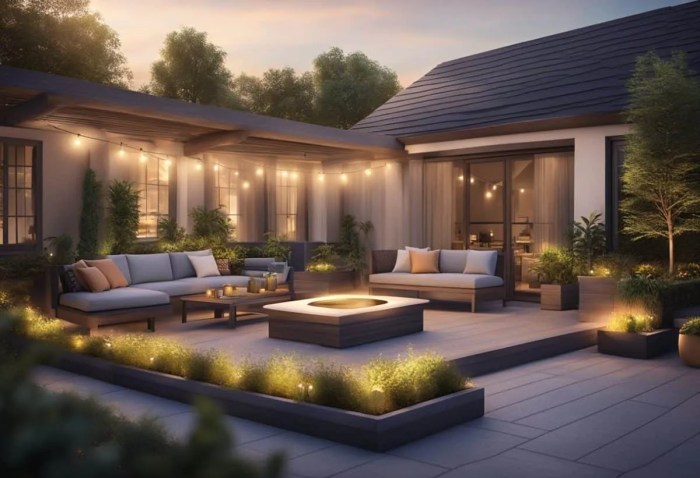
Smart outdoor lighting isn’t just about security and efficiency; it’s a powerful tool to dramatically enhance your home’s curb appeal and create a welcoming atmosphere. By carefully considering the placement, style, and color of your lights, you can transform your outdoor spaces into stunning extensions of your home’s interior design.
Choosing the right lighting can significantly impact the overall aesthetic of your property. Factors like light color temperature, brightness levels, and fixture styles all play a crucial role in achieving your desired look. Understanding these elements allows you to create a cohesive and visually appealing outdoor lighting scheme.
Light Color Temperature and Brightness
Different color temperatures and brightness levels create distinct moods and highlight various architectural features. Cooler color temperatures (5000K and above) produce a bright, crisp white light, ideal for illuminating pathways and security purposes. This light mimics daylight and provides excellent visibility. Warmer color temperatures (2700K-3000K) offer a soft, inviting glow, perfect for creating ambiance on patios, decks, or near entryways. These warmer tones are more relaxing and contribute to a cozy feel. Brightness, measured in lumens, should be selected based on the area’s size and intended use. Brighter lights are needed for larger areas or high-traffic zones, while dimmer lights suit more intimate spaces. For example, a pathway might require brighter, cooler lights for safety, while a garden might benefit from softer, warmer lighting to highlight plant features.
Outdoor Lighting Design Schemes
Below are three distinct outdoor lighting design schemes incorporating smart features, each with a unique aesthetic.
Modern Outdoor Lighting
This scheme emphasizes clean lines, minimalist designs, and energy-efficient LED lighting. Imagine sleek, linear fixtures mounted along the house’s exterior, providing a subtle yet modern glow. Recessed lighting in pathways and steps adds safety and functionality without cluttering the design. Smart features allow for customizable color settings, enabling you to shift from cool, energizing white during the day to a warmer, inviting amber in the evening. The overall effect is sophisticated, contemporary, and effortlessly chic. For example, using integrated smart LED strips under the eaves could create a striking, indirect lighting effect, highlighting the architecture without harsh direct light.
Rustic Outdoor Lighting
This style evokes a sense of warmth and natural charm. Think wrought iron lanterns hanging from porch ceilings, casting a warm, inviting glow. Pathways might be lined with low-voltage landscape lighting, using warm-toned LEDs to highlight plants and garden features. Smart features allow for scheduling and dimming, creating a sense of gentle, flickering candlelight in the evening. Natural materials like wood and stone complement the lighting fixtures, enhancing the rustic aesthetic. For instance, strategically placed spotlights with a warm white glow could highlight a stone wall or a weathered wooden fence, creating a visually rich and inviting atmosphere.
Traditional Outdoor Lighting
This scheme focuses on classic elegance and timeless appeal. Imagine elegant post lanterns flanking the driveway, providing ample illumination while maintaining a traditional aesthetic. Wall-mounted sconces with antique-style finishes add charm to the home’s exterior. Smart features allow for adjustable brightness and scheduling, providing both security and ambiance. The color temperature would lean towards warmer tones, creating a welcoming and inviting atmosphere. For instance, using traditional-style lanterns with integrated smart bulbs allows you to maintain the classic look while benefiting from the convenience and energy efficiency of smart technology. The result is a sophisticated and timeless look that complements traditional architecture.
Troubleshooting and Maintenance
Smart outdoor lighting, while generally reliable, can occasionally experience issues. Understanding common problems and how to address them, along with practicing regular maintenance, will ensure your system operates efficiently and lasts for years to come. This section guides troubleshooting and maintaining your smart outdoor lighting system.
Troubleshooting Smart Outdoor Lighting Issues
Effective troubleshooting often involves systematically checking different aspects of the system. Starting with the simplest solutions can save you time and frustration.
- Connectivity Problems: If a light isn’t responding, first ensure your Wi-Fi network is functioning correctly and your smart lighting hub (if applicable) is connected to the internet. Check for router interference, and signal strength, and ensure the light is within range of the Wi-Fi network. Try restarting both the light and your router. If the problem persists, check your app for any firmware updates for the light or the hub.
- Malfunctioning Lights: If a light is not turning on, check the bulb itself. Replace the bulb with a known good one. If the problem persists, inspect the wiring and connections to ensure everything is secure and there are no loose wires. Check the circuit breaker to see if the circuit has tripped. If using a smart plug, ensure it’s properly plugged in and functioning.
- App Issues: If you’re having trouble controlling the lights through your app, try restarting the app, logging out and back in, or reinstalling the app. Ensure your phone or tablet has a stable internet connection. Contact the app developer’s support if problems continue.
- Power Supply Issues: Ensure the power source to your outdoor lighting is working correctly. Check for any blown fuses or tripped circuit breakers. If using solar-powered lights, make sure the solar panels are clean and receiving adequate sunlight.
Routine Maintenance for Optimal Performance
Regular maintenance will extend the life of your smart outdoor lighting system and ensure optimal performance.
- Regular Cleaning: Dust, dirt, and debris can accumulate on the lights, reducing their brightness and lifespan. Gently clean the lights with a soft cloth and mild soap solution, avoiding abrasive cleaners. For solar-powered lights, regularly clean the solar panels to maximize energy absorption.
- Inspect Wiring and Connections: Periodically inspect the wiring and connections for any signs of damage or wear. Tighten any loose connections to prevent malfunctions. If you notice any damage, it’s best to consult a qualified electrician.
- Firmware Updates: Keep your smart lighting system’s firmware updated. Manufacturers regularly release updates that improve performance, address security vulnerabilities, and add new features. Check your app regularly for updates.
- Bulb Replacement: Replace bulbs as needed. LED bulbs typically have a longer lifespan than traditional incandescent bulbs, but they will eventually need replacing. Use bulbs with the correct wattage and type recommended for your fixtures.
Safe Disposal of Old or Broken Components
Proper disposal of old or broken smart outdoor lighting components is crucial for environmental safety.
- Battery Disposal: If your lights use batteries, dispose of them properly at designated battery recycling centers. Do not throw them in the regular trash.
- Electronic Waste Recycling: Most components of smart outdoor lighting systems are considered electronic waste (e-waste). Dispose of them at designated e-waste recycling facilities. Many electronics retailers offer e-waste recycling programs.
- Local Regulations: Check your local regulations for specific guidelines on disposing of electronic waste and hazardous materials. Your local waste management authority can provide information on proper disposal methods.
Ending Remarks
Source: cloudinary.com
Integrating smart outdoor lighting into your home offers a wealth of benefits, from enhanced security and energy savings to increased curb appeal. By understanding the various types, features, and installation processes, you can choose the perfect system to meet your needs and transform your outdoor spaces. Whether you’re aiming for a modern, rustic, or traditional aesthetic, smart lighting allows for customization and control, making your home safer, more efficient, and undeniably more stylish.
Essential FAQs
What’s the lifespan of smart outdoor LED bulbs?
LED bulbs typically last much longer than traditional incandescent bulbs, often 25,000 hours or more. This translates to several years of use before needing replacement.
Can smart outdoor lights work during a power outage?
It depends on the power source. Solar-powered lights will still function, while battery-powered lights will work until their batteries are depleted. Mains-powered lights will not work without electricity.
Are smart outdoor lights difficult to install?
The difficulty varies depending on the type of lighting and your existing electrical setup. Some lights are plug-and-play, while others require more extensive wiring. Following the manufacturer’s instructions is crucial.
How do I troubleshoot connectivity issues with my smart outdoor lights?
Check your Wi-Fi signal strength, ensure your lights are within range of your router, and restart both your lights and your Wi-Fi router. If problems persist, consult the manufacturer’s troubleshooting guide or contact their customer support.
What about warranty and returns for faulty smart outdoor lights?
Most reputable brands offer warranties on their products. Check the warranty details provided with your purchase. If you have a faulty light, contact the retailer or manufacturer to discuss return options or repairs.
Comments are closed.