Outdoor Pillar Lights Illuminating Your Homes Exterior

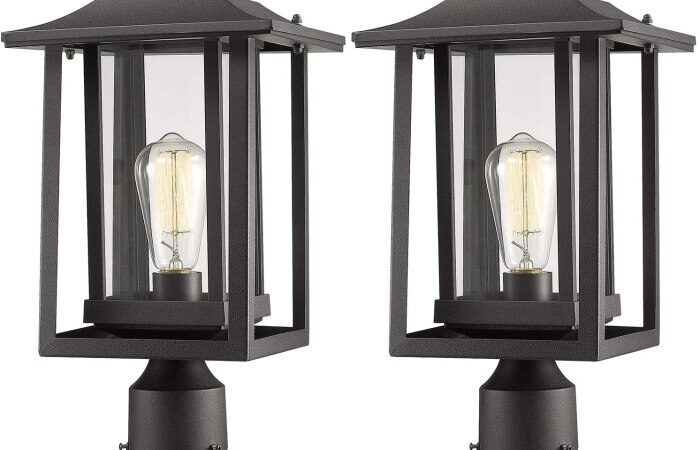
Outdoor pillar lights: Transform your home’s exterior with the right lighting! From classic elegance to modern minimalism, choosing the perfect outdoor pillar lights can dramatically enhance your curb appeal and security. We’ll explore the diverse styles, materials, and technological advancements available, guiding you through the process of selecting, installing, and maintaining these beautiful and functional fixtures.
This guide covers everything from understanding different light bulb types and smart lighting options to mastering installation techniques and troubleshooting common problems. We’ll also delve into design considerations, helping you choose fixtures that perfectly complement your home’s architecture and personal style. Get ready to illuminate your world!
Types of Outdoor Pillar Lights
Choosing the right outdoor pillar lights can dramatically enhance your home’s curb appeal and provide functional illumination. The style, material, and height of your pillar lights should complement your home’s architecture and landscaping. Let’s explore the various options available.
Outdoor Pillar Light Styles and Materials
The style of your pillar lights significantly impacts the overall aesthetic of your home’s exterior. Different styles suit various architectural designs, from classic to contemporary. The material chosen also affects durability, maintenance, and the overall look.
| Style | Material | Typical Height (inches) | Common Lighting Features |
|---|---|---|---|
| Traditional | Cast Aluminum, Stone, Wrought Iron | 24-48 | Upward and downward-facing lights, frosted glass globes |
| Modern | Stainless Steel, Glass, Concrete | 18-36 | Clean lines, minimalist design, LED lighting, integrated sensors |
| Victorian | Cast Iron, Brass | 30-60 | Ornate details, multiple light sources, decorative finials |
| Mission/Craftsman | Wrought Iron, Wood (with metal accents) | 24-40 | Simple, geometric designs, often with a dark finish |
Material Considerations for Outdoor Pillar Lights
Selecting the right material is crucial for longevity and aesthetic appeal. Each material offers unique advantages and disadvantages.
Below is a summary of the pros and cons of common materials used in outdoor pillar lights:
- Metal (Aluminum, Cast Iron, Stainless Steel, Brass):
- Pros: Durable, relatively low maintenance, a wide range of styles and finishes available.
- Cons: Can rust or corrode (unless treated), may require repainting or refinishing over time, and can be more expensive than some other materials.
- Stone (Concrete, Granite, Limestone):
- Pros: Elegant, weather-resistant, long-lasting, adds a natural element to the landscape.
- Cons: Heavy, expensive, can be susceptible to cracking or chipping, requires professional installation.
- Wood:
- Pros: Natural look, warm aesthetic, can be customized, relatively lightweight.
- Cons: Requires regular maintenance (sealing, painting), susceptible to rot and insect damage, less durable than metal or stone.
- Composite Materials:
- Pros: Durable, low maintenance, resistant to rot and insect damage, often less expensive than natural materials.
- Cons: May not be as aesthetically pleasing as natural materials, can fade over time with sun exposure.
Architectural Applications of Different Pillar Light Styles
The style of your pillar lights should complement the architectural style of your home. For example, traditional pillar lights would be a perfect fit for a colonial-style home, while modern pillar lights would be more suitable for a contemporary or minimalist home. Victorian-style lights might enhance a home with ornate details and gingerbread trim. Mission or Craftsman styles complement homes with similar architectural features, emphasizing clean lines and natural materials. Careful consideration of these factors ensures a cohesive and visually appealing exterior.
Lighting Features and Technology
Source: storyblok.com
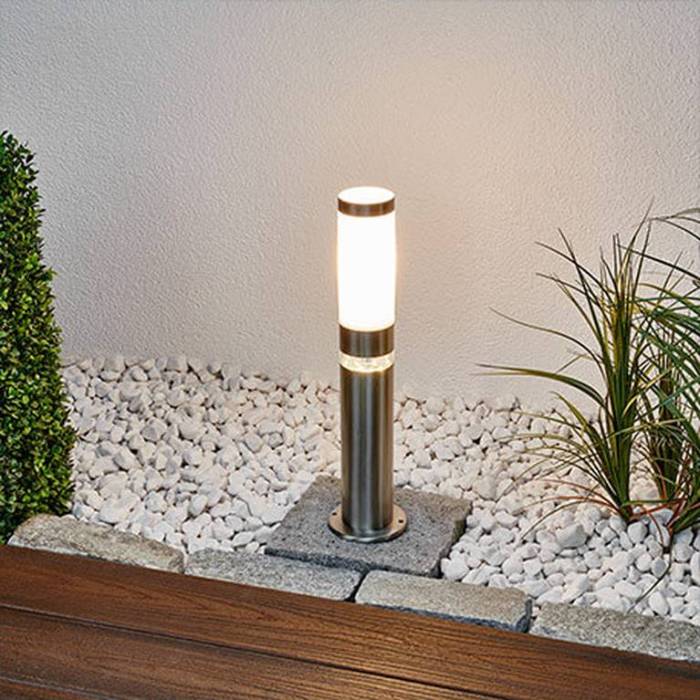
Choosing the right lighting for your outdoor pillar lights involves considering bulb type, smart technology options, and light distribution. These factors significantly impact both the aesthetic appeal and the functionality of your outdoor lighting. Let’s explore the key elements to help you make informed decisions.
Bulb Types for Outdoor Pillar Lights
Outdoor pillar lights accommodate various bulb types, each with its own set of advantages and disadvantages. The most common options are LED incandescent and halogen. Understanding their differences in energy efficiency, lifespan, and light output is crucial for selecting the best fit for your needs.
| Bulb Type | Energy Efficiency | Lifespan (hours) | Light Output | Pros | Cons |
|---|---|---|---|---|---|
| LED | High (longest lasting) | 50,000+ | Variable, warm to cool white | Energy efficient, long lifespan, durable, various color temperatures available | Higher initial cost |
| Incandescent | Low | 1,000-2,000 | Warm white | Affordable, produces a warm light | Inefficient, short lifespan, generates significant heat |
| Halogen | Moderate | 2,000-4,000 | Bright, crisp white | Brighter than incandescent, longer lifespan than incandescent | Less energy-efficient than LEDs, generates heat |
Smart Lighting Technology for Outdoor Pillar Lights
Integrating smart lighting technology into your outdoor pillar lights offers enhanced control and convenience. This allows for customization of lighting effects and scheduling, maximizing both energy efficiency and aesthetic appeal.
Smart lighting capabilities often include dimming, scheduling, and color-changing options. However, there are some considerations to keep in mind.
- Advantages: Remote control, energy savings through scheduling and dimming, enhanced security through automated lighting, customizable ambiance with color-changing options, and integration with other smart home devices.
- Potential Drawbacks: Higher initial cost compared to traditional lighting, reliance on a stable internet connection, potential for technical issues, and security concerns related to network vulnerabilities.
Light Distribution Patterns, Outdoor pillar lights
The way light is distributed from your outdoor pillar lights significantly impacts the overall look and feel of your outdoor space. Different patterns create varying moods and highlight different architectural features.
Imagine three diagrams:
Diagram 1: Uplight: This shows a pillar light emitting light primarily upwards, illuminating the top of the pillar and casting a soft glow upwards into the surrounding trees or sky. The effect is dramatic and creates a sense of height and elegance.
Diagram 2: Downlight: This illustrates a pillar light with the majority of light directed downwards, illuminating the ground immediately surrounding the pillar. This provides functional lighting for pathways or steps, creating a safe and well-lit area.
Diagram 3: Ambient: This depicts a pillar light emitting light in all directions, providing a soft, overall illumination. This creates a welcoming and comfortable atmosphere, ideal for enhancing the overall ambiance of the area.
Installation and Maintenance
Source: menterarchitects.com
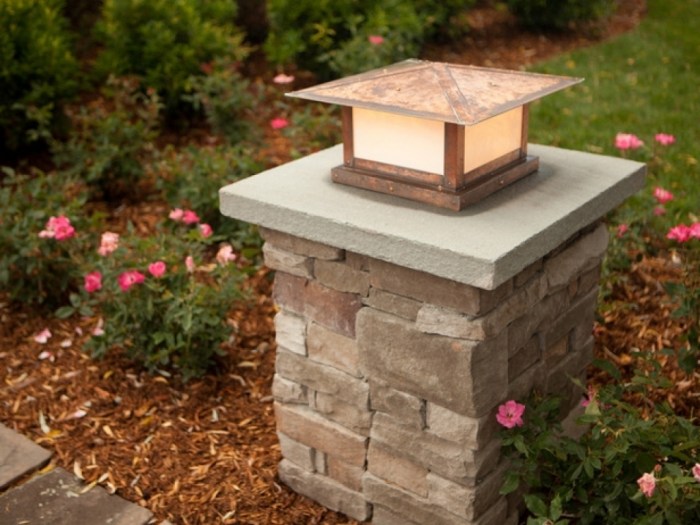
Installing and maintaining your outdoor pillar lights correctly ensures both their longevity and safety. Proper installation prevents electrical hazards, while regular maintenance keeps your lights shining brightly for years to come. This section will guide you through both processes.
Installing Outdoor Pillar Lights
Safe and effective installation is paramount. Always disconnect power to the circuit before beginning any electrical work. If you are not comfortable working with electricity, consult a qualified electrician.
- Prepare the Area: Dig a hole of appropriate depth and width to accommodate the pillar light base and wiring. The depth will depend on the specific light fixture and local ground conditions. Ensure the hole is large enough to comfortably work in.
- Mount the Base: Carefully place the base of the pillar light into the hole, ensuring it’s level. Use concrete or a suitable anchoring material to secure the base firmly in place. Allow sufficient time for the concrete to be fully cured.
- Connect the Wiring: Connect the wires from the pillar light to the existing outdoor wiring. Use wire nuts to securely join the wires, ensuring correct polarity (hot to hot, neutral to neutral, ground to ground). Always double-check your connections.
- Install the Fixture: Carefully attach the pillar light fixture to the base, following the manufacturer’s instructions. Ensure all screws are tightened securely.
- Test the Light: After the installation is complete, carefully restore power to the circuit and test the light fixture. Check for proper operation and ensure the light is securely mounted.
- Backfill and Cleanup: Once you are satisfied with the installation and functionality, carefully backfill the hole around the base of the pillar light. Tidy up the area and dispose of any debris properly.
Maintaining Outdoor Pillar Lights
Regular maintenance will extend the lifespan of your outdoor pillar lights and maintain their aesthetic appeal. Neglecting maintenance can lead to premature failure and potential safety hazards.
Maintaining your outdoor pillar lights involves regular cleaning and occasional inspections. Here’s a list of recommended procedures:
- Regular Cleaning: Use a soft cloth or sponge and mild soapy water to clean the light fixtures. Avoid abrasive cleaners or harsh chemicals, which can damage the finish. For stubborn dirt, consider using a pressure washer on a low setting, keeping a safe distance from the electrical components.
- Inspect Wiring and Connections: Periodically inspect the wiring and connections for any signs of damage or wear. Repair or replace any damaged components immediately. This is especially important after severe weather.
- Check for Loose Parts: Check for any loose screws or parts on the light fixture and tighten them as needed. Loose parts can lead to damage or even failure of the fixture.
- Bulb Replacement: Replace burned-out bulbs promptly. Use bulbs with the correct wattage and type as specified by the manufacturer. Always turn off the power before changing bulbs.
Troubleshooting Outdoor Pillar Lights
Problems with outdoor pillar lights can range from simple fixes to more complex electrical issues. Knowing how to troubleshoot common problems can save you time and money.
| Problem | Solution |
|---|---|
| The light fixture doesn’t turn on | Check the circuit breaker or fuse. Inspect the wiring and connections for any loose or damaged wires. Replace the bulb. |
| Flickering light | Check the bulb for loose connections. Inspect the wiring for any loose connections or damage. Consider replacing the bulb. |
| Dim light | Replace the bulb with one of the correct wattage. Check for voltage drop in the wiring. Clean the fixture to ensure proper light output. |
| The light fixture is damaged. | Contact a qualified electrician for repair or replacement of the damaged components. Avoid attempting repairs yourself if you are not qualified. |
Design and Aesthetics
Source: susercontent.com
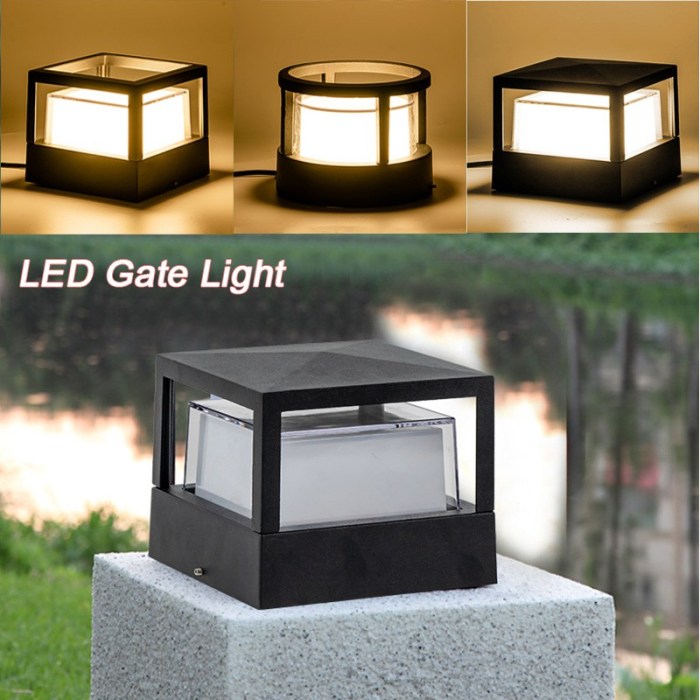
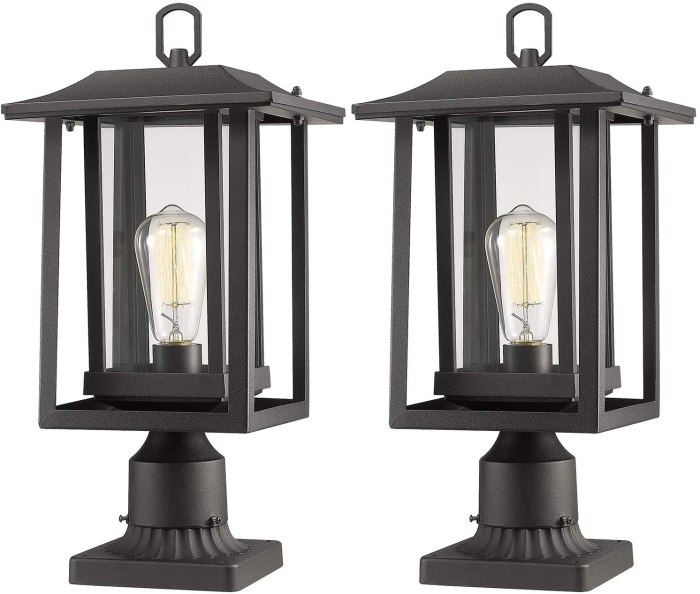
Outdoor pillar lights are more than just functional; they’re key elements in enhancing your home’s curb appeal and overall aesthetic. Choosing the right style, finish, and size can dramatically impact the visual impact of your home’s exterior. Let’s explore how to achieve a cohesive and visually stunning look.
The careful selection and placement of outdoor pillar lights can significantly boost your home’s curb appeal. They add a touch of elegance and sophistication, providing both practical illumination and architectural interest. Consider the style of your home and how the lights can complement existing features, such as landscaping, walkways, and architectural details.
Design Tips for Different Architectural Styles
Integrating pillar lights effectively depends heavily on the architectural style of your home. Different styles call for different design approaches to ensure a harmonious and visually pleasing result.
- Traditional Homes: Choose classic designs with ornate details, perhaps in a dark bronze or black finish, to complement traditional architectural features. Consider taller, more substantial fixtures to maintain proportion.
- Modern Homes: Opt for sleek, minimalist designs with clean lines and simple forms. Materials like brushed stainless steel or polished chrome will create a contemporary feel. Smaller, more streamlined fixtures are usually more appropriate.
- Victorian Homes: Embrace elaborate designs with intricate detailing. A dark, aged bronze or even a weathered stone finish can enhance the historical character of the home. Larger fixtures are suitable for this style.
- Mediterranean Homes: Consider wrought iron or stone-like finishes to evoke a sense of warmth and rustic charm. Warm-toned lighting can further enhance the Mediterranean aesthetic.
- Farmhouse Homes: Simple, understated designs with a rustic or weathered finish, perhaps in black or a dark, muted color, would best complement the charm of a farmhouse. Consider fixtures that integrate well with natural materials like wood or stone.
Impact of Different Finishes
The finish of your outdoor pillar lights plays a crucial role in their overall aesthetic, influencing how they interact with the surrounding environment and architectural elements. The choice of finish should complement your home’s style and exterior colors.
- Painted Finishes: Offer a wide range of colors to match your home’s exterior or create a striking contrast. However, painted finishes require more maintenance to prevent chipping and fading.
- Brushed Finishes: Provide a subtle texture and a more understated elegance. Brushed nickel or bronze are popular choices that complement a variety of architectural styles.
- Polished Finishes: Offer a high-gloss, reflective surface that creates a more modern and contemporary look. Polished chrome or brass are common choices, but they may require more frequent cleaning to maintain their shine.
Size and Scale of Outdoor Pillar Lights
Choosing the right size pillar light is essential for maintaining visual balance and proportion. Oversized fixtures can overwhelm smaller homes or spaces, while undersized fixtures can appear insignificant and lost in the architecture. For instance, a large Victorian home would benefit from larger, more substantial pillar lights to maintain a sense of scale. Conversely, a smaller bungalow might look cluttered with oversized fixtures. The surrounding landscape also plays a role; taller lights might be needed to illuminate larger gardens effectively, while smaller lights might suffice for patios or walkways.
Safety Considerations
Source: ratedlocks.com
Outdoor pillar lights, while enhancing curb appeal and security, pose potential safety hazards if not installed and maintained correctly. Ignoring safety protocols can lead to electrical shocks, fires, and injuries. Understanding these risks and implementing appropriate precautions is crucial for both the installer and the homeowner.
Proper installation and regular maintenance are paramount to mitigating these risks. Using high-quality, weatherproof materials ensures the longevity and safety of your outdoor lighting. Furthermore, adhering to local building codes and regulations protects you from potential legal issues and ensures the safety of your property and those around it.
Potential Safety Hazards and Precautions
Improperly installed or maintained outdoor pillar lights present several safety risks. These risks can be significantly reduced by following established safety guidelines during installation and throughout the light’s lifespan.
- Electrical Shock: Faulty wiring, damaged fixtures, or contact with wet surfaces can lead to electrical shocks. Always disconnect the power before working on the lights and use appropriate safety equipment like rubber gloves and insulated tools.
- Fire Hazards: Overheated wiring, loose connections, or the use of incompatible components can cause fires. Regularly inspect wiring and connections for damage or overheating. Use only UL-listed fixtures and components.
- Falls: Working at heights to install or maintain pillar lights can lead to falls. Use appropriate safety harnesses and ladders, and always have a spotter when working at significant heights.
- Glare and Light Pollution: Improperly aimed lights can cause glare, reducing visibility and potentially creating hazardous conditions for drivers. Use shielded fixtures and aim lights downward to minimize glare and light pollution.
- Damage to Property: Falling debris or improperly installed fixtures can damage surrounding property. Securely mount fixtures and take precautions to protect surrounding areas during installation and maintenance.
Importance of Weatherproof and Durable Materials
The outdoor environment presents unique challenges to lighting fixtures. Exposure to rain, snow, ice, and extreme temperatures can damage substandard materials, leading to safety hazards and reduced lifespan. Using weatherproof and durable materials is essential for both safety and longevity.
Weatherproof materials, such as marine-grade aluminum or high-impact plastics, are designed to resist corrosion and damage from the elements. Durable materials, such as tempered glass, withstand impacts and resist cracking. These materials ensure the fixture’s integrity and prevent potential hazards like short circuits caused by water ingress or structural failure due to extreme weather conditions. For example, a pillar light made of poorly treated wood might rot and become unstable, posing a fall risk. In contrast, a fixture constructed from corrosion-resistant aluminum will maintain its structural integrity for many years, ensuring continued safe operation.
Relevant Building Codes and Regulations
Compliance with local building codes and regulations is crucial for safe and legal outdoor lighting installations. These codes often address issues such as wiring standards, fixture mounting requirements, and appropriate clearances from flammable materials.
Ignoring these regulations can result in fines, insurance issues, and even legal liability in case of accidents. It’s essential to check with your local building department to obtain the necessary permits and understand the specific requirements for outdoor lighting installations in your area. These regulations often specify minimum distances from structures and other safety considerations to ensure compliance and safety. For instance, some codes mandate the use of ground fault circuit interrupters (GFCIs) for outdoor circuits to protect against electrical shocks. Failure to adhere to these regulations could lead to legal consequences and jeopardize the safety of individuals and property.
Outcome Summary
Choosing the right outdoor pillar lights is a blend of aesthetics and functionality. By considering factors like style, material, lighting technology, and safety, you can create an inviting and well-lit exterior space. Remember to prioritize durability and weather resistance for long-lasting performance. With careful planning and installation, your outdoor pillar lights will not only enhance your home’s beauty but also provide years of reliable illumination and added security.
Essential FAQs: Outdoor Pillar Lights
What is the average lifespan of an outdoor pillar light bulb?
It depends on the bulb type. LEDs typically last 25,000+ hours, while incandescent bulbs are much shorter-lived.
How often should I clean my outdoor pillar lights?
Clean them at least twice a year, or more often if needed, to remove dirt and debris that can affect light output.
Are there any specific safety regulations I need to follow when installing outdoor pillar lights?
Yes, always consult local building codes and electrical safety regulations. Improper wiring can be dangerous.
Can I install outdoor pillar lights myself?
While possible for some, if you’re not comfortable working with electricity, it’s best to hire a qualified electrician.
What’s the difference between uplighting and downlighting in outdoor pillar lights?
Uplighting illuminates the house or surrounding trees while downlighting focuses light directly downward for pathway illumination.
Comments are closed.