Backyard Shade Ideas Cool Down Your Outdoor Space

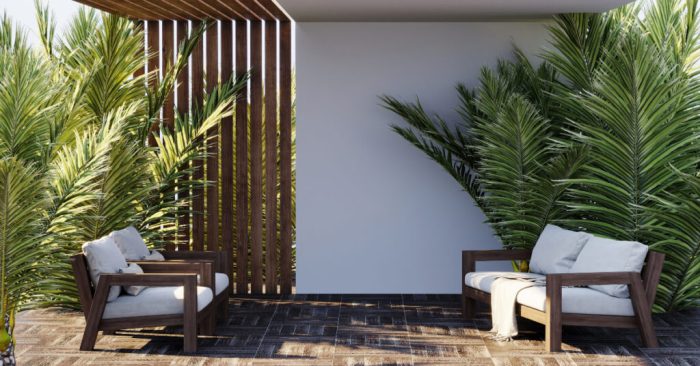
Backyard shade ideas are more than just a way to beat the heat; they’re about transforming your outdoor space into a comfortable and stylish oasis. This guide explores diverse options, from elegant pergolas and lush landscaping to budget-friendly DIY projects, helping you choose the perfect shade solution for your backyard. We’ll cover everything from the pros and cons of different structures to creative ways to integrate shade with existing features, ensuring your backyard becomes a relaxing retreat you’ll love spending time in.
Whether you’re looking for a shady spot to relax with a book, create a play area for kids, or simply enhance the overall aesthetic of your yard, finding the right shade solution is key. This guide will walk you through various approaches, considering factors like budget, existing structures, and your style, so you can make informed decisions and create a backyard that truly reflects your vision.
Types of Shade Structures
Source: savvyhousekeeping.com
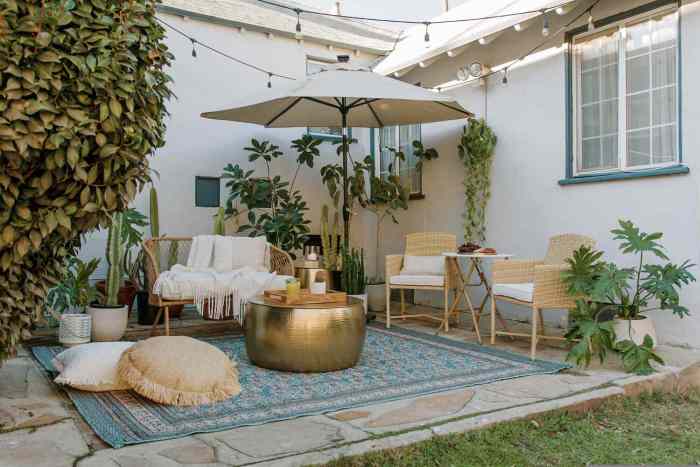
Choosing the right shade structure for your backyard can significantly enhance your outdoor living space, providing respite from the sun and a more comfortable environment for relaxation and entertaining. Several options exist, each with its advantages and disadvantages. Consider factors like budget, desired aesthetic, and the level of DIY skills you possess when making your selection.
Pergolas
Pergolas are elegant and versatile shade structures. They typically consist of a framework of posts and beams, often made from wood (cedar, redwood, or treated lumber are popular choices), metal (aluminum or steel), or even vinyl. The open design allows for climbing plants to grow over the structure, creating a natural and visually appealing shade. Construction usually involves setting posts in concrete footings, attaching beams, and then adding cross beams or rafters to complete the framework. Aesthetically, pergolas can range from rustic and natural to modern and minimalist, depending on the materials and design chosen. For example, a pergola with a simple, clean-lined design using pressure-treated lumber might complement a contemporary home, while a more ornate pergola constructed from cedar and adorned with climbing roses would suit a traditional-style home.
Gazebos
Gazebos offer a more enclosed and private shaded area compared to pergolas. They are typically free-standing structures with a roof and walls (sometimes partially enclosed). Materials commonly used include wood, vinyl, metal, and even fabric. Construction can be more complex than a pergola, requiring more advanced carpentry or assembly skills depending on the chosen design and materials. Gazebos are available in a wide variety of styles, from classic Victorian designs to modern, sleek structures. A gazebo with a shingled roof and decorative trim might create a charming focal point in a garden, while a simpler, aluminum gazebo could be a practical choice for a backyard patio.
Umbrellas
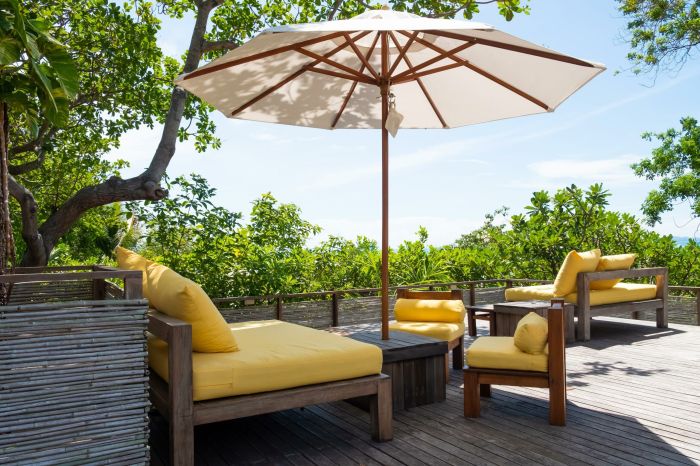
Umbrellas provide a simple and portable solution for shade. They are available in a wide range of sizes, styles, and materials, including canvas, polyester, and even more durable materials like fiberglass. Construction is relatively straightforward, with most umbrellas featuring a central pole and a canopy that can be tilted to adjust for the sun’s position. Umbrellas are easily moved and stored, making them ideal for patios or decks where flexibility is needed. Aesthetically, they can complement various backyard styles, ranging from basic, functional designs to more elaborate, decorative umbrellas with intricate patterns or vibrant colors. For example, a large market umbrella with a neutral color might provide ample shade over a patio dining set, while a smaller, brightly colored umbrella could add a pop of personality to a deck.
Shade Sails
Shade sails are a modern and stylish option for creating shade. They are typically made from high-density polyethylene (HDPE) or similar durable fabrics and are stretched taut between points, creating a sleek and contemporary look. Installation usually involves attaching the sail to existing structures like trees, walls, or posts using sturdy hardware. Shade sails offer a minimalist aesthetic and come in a variety of colors and shapes to complement different backyard designs. They are relatively easy to install, particularly if you already have suitable anchor points. However, the tensioning system needs to be carefully calculated to avoid sagging or excessive stress on the fabric.
| Shade Structure | Material | Approximate Cost | Lifespan (Years) | Ease of Installation |
|---|---|---|---|---|
| Pergola | Wood, Metal, Vinyl | $500 – $5000+ | 10-30+ | Moderate |
| Gazebo | Wood, Vinyl, Metal | $500 – $10000+ | 10-30+ | Moderate to Difficult |
| Umbrella | Canvas, Polyester, Fiberglass | $50 – $500 | 3-10 | Easy |
| Shade Sail | HDPE, Sunbrella | $100 – $1000+ | 5-15 | Easy to Moderate |
Planting for Shade
Source: pcdn.co
Creating a shady backyard oasis involves strategic planting of trees and shrubs. Choosing the right plants considers factors like your available space, soil type, and the amount of sunlight your yard receives. Proper planning ensures a beautiful and functional shaded area for years to come.
Best Trees for Backyard Shade
Selecting the right trees is crucial for establishing a cool and inviting backyard. Consider the mature size, growth rate, and sun tolerance of each species to ensure a successful planting. Below are five excellent choices for providing shade, keeping in mind that optimal tree selection depends heavily on your specific climate and soil conditions.
- Oak Trees (Quercus spp.): Known for their longevity and impressive size, oak trees offer substantial shade. They come in various species, each with different mature sizes and growth rates. For example, the Pin Oak (Quercus palustris) is relatively fast-growing and tolerates a range of soil conditions. However, they require regular watering, especially during establishment.
- Maple Trees (Acer spp.): Maples, like oaks, are diverse, offering various sizes and growth rates. Sugar Maples (Acer saccharum) are slower-growing but provide excellent shade in the long term. Red Maples (Acer rubrum) are faster-growing and adapt well to different soil types. Proper pruning is important to maintain their shape and prevent disease.
- Sycamore Trees (Platanus spp.): These fast-growing trees offer substantial shade quickly. American Sycamore (Platanus occidentalis) is known for its large size and shade provision, however, it can be messy due to its shedding bark and leaves. Regular leaf cleanup is necessary.
- Birch Trees (Betula spp.): Birch trees, while not as large as oaks or sycamores, offer beautiful shade and a delicate look. River Birch (Betula nigra) is a fast-growing option that tolerates wet soil conditions. However, they may have a shorter lifespan compared to some other shade trees.
- Linden Trees (Tilia spp.): Linden trees are known for their fragrant flowers and dense shade. American Linden (Tilia americana) is a relatively fast-growing tree that tolerates various soil types. They are also relatively low-maintenance, making them a popular choice.
Best Shrubs for Backyard Shade
Shrubs complement trees, filling in spaces and providing additional shade. Their smaller size makes them suitable for smaller yards or for creating layered shade.
- Hydrangeas (Hydrangea spp.): Hydrangeas are known for their beautiful blooms and shade tolerance. They thrive in moist, well-drained soil and require regular watering, especially during dry periods. Pruning is important to maintain their shape and encourage blooming.
- Holly (Ilex spp.): Hollies offer year-round interest with their evergreen foliage and berries. They are relatively low-maintenance and tolerate a range of soil conditions. They can handle some shade but prefer partial sun.
- Spirea (Spiraea spp.): Spirea shrubs offer a variety of colors and bloom times. They are relatively low-maintenance and tolerate a range of soil conditions. They are fast-growing and require regular pruning to maintain their shape.
- Viburnum (Viburnum spp.): Viburnums are a versatile group of shrubs offering various sizes, shapes, and flower colors. They are relatively low-maintenance and tolerate a range of soil conditions. Some varieties prefer shade, while others prefer partial sun.
- Boxwood (Buxus spp.): Boxwoods are popular for their dense foliage and ability to be pruned into various shapes. They are slow-growing and relatively low-maintenance. They tolerate shade but prefer partial sun.
Landscaping Plan for Maximum Shade
A well-planned landscape design maximizes shade using a combination of trees, shrubs, and ground cover. This layered approach creates a cooler, more inviting space.
- Plant taller trees strategically: Place larger trees (e.g., oaks, maples) at the west and south sides of your yard to block the afternoon sun. Consider the mature size of the tree to avoid overcrowding.
- Add medium-sized shrubs: Plant medium-sized shrubs (e.g., hydrangeas, spireas) beneath and around the trees to fill in gaps and provide additional shade. This creates a layered effect, enhancing the cooling effect.
- Use ground cover for complete shade: Use shade-tolerant groundcovers (e.g., pachysandra, hostas) to cover the ground and suppress weeds. This helps to retain moisture and creates a continuous shaded area.
- Consider the wind direction: Plant trees and shrubs that can act as windbreaks to help reduce the cooling effect of breezes. This will help keep your shaded area consistently cool.
- Leave room for walkways and patios: Ensure adequate space for walkways and patios to allow for easy access and enjoyment of your shaded area.
Long-Term Maintenance Requirements
Proper care is essential for maintaining the health and longevity of your shade plants.
- Watering: Regular watering is crucial, especially during the first few years after planting. Established trees and shrubs generally require less frequent watering, except during extended dry periods.
- Fertilization: Annual fertilization helps promote healthy growth. Use a balanced fertilizer appropriate for the type of plants you’ve chosen. Follow package instructions carefully.
- Pruning: Regular pruning is essential for maintaining the shape and health of your trees and shrubs. Remove dead or damaged branches and shape the plants as needed. Consult with a professional arborist for larger trees.
- Pest and disease control: Monitor your plants regularly for signs of pests or diseases. Take appropriate action promptly to prevent widespread damage. This may include using organic or chemical treatments.
- Mulching: Apply a layer of mulch around the base of your plants to help retain moisture, suppress weeds, and regulate soil temperature. This is particularly beneficial for young plants.
Artificial Shade Solutions
Beyond the structures we’ve discussed, a world of artificial shade options exists, offering flexibility and style to complement your backyard oasis. These solutions provide targeted shade where needed, offering a customizable approach to sun protection. Let’s explore some popular choices.
Retractable Awnings
Retractable awnings offer a highly versatile solution for controlling shade. These awnings extend and retract with ease, allowing you to adjust shade levels depending on the time of day and the sun’s intensity. They are typically made from durable fabrics like acrylic or solution-dyed polyester, offering UV protection and resistance to fading and mildew. Installation usually involves mounting brackets to your house or existing structure, requiring some basic DIY skills or professional help for more complex installations. Consider the awning’s size and projection to ensure adequate coverage for your desired area. Motorized options provide effortless operation at the touch of a button, adding convenience and luxury.
Bamboo Screens and Privacy Screens
Bamboo screens provide a natural yet artificial shade solution. They are aesthetically pleasing and offer a degree of privacy, making them perfect for creating intimate spaces within your backyard. The screens are usually constructed from woven bamboo poles, creating a visually interesting texture. They can be freestanding or attached to fences or walls. Material choices include natural bamboo, which may require more maintenance, or treated bamboo, offering increased durability and resistance to weather damage. Installation is relatively straightforward, involving simple assembly and anchoring. Consider the density of the weave to control the amount of shade and privacy offered. Privacy screens, meanwhile, come in various materials, including vinyl, wood, and metal, offering different levels of opacity and style. Installation methods vary depending on the material and design, from simple post-and-panel systems to more intricate designs.
Designing a Backyard with Combined Shade Solutions
Imagine a backyard design incorporating both natural and artificial shade. The design concept centers around a layered approach, maximizing shade and creating visual interest. A large shade tree, perhaps an oak or maple, provides the primary shade anchor, its canopy offering a cool respite. Underneath, a pergola draped with climbing vines creates a more intimate seating area. Strategically placed retractable awnings offer adjustable shade over a patio or dining area, extending coverage as needed. Finally, bamboo screens can be used to create a semi-private area for relaxation, filtering sunlight while maintaining a visual connection to the rest of the yard. This combination creates a dynamic and versatile outdoor space that can adapt to changing weather conditions and needs. The natural elements offer a sense of calm and permanence, while the artificial elements provide adaptability and controlled shade.
Cost and Benefits Comparison of Artificial Shade Solutions
The cost and benefits of artificial shade solutions vary significantly depending on materials, size, and complexity of installation. Below is a comparison:
| Shade Solution | Cost (Estimate) | Benefits | Drawbacks |
|---|---|---|---|
| Retractable Awning | $500 – $3000+ | Adjustable shade, weather protection, enhances aesthetics | Higher initial cost, the potential for damage in severe weather |
| Bamboo Screen | $100 – $500+ | Natural look, good ventilation, and relatively inexpensive | May require more maintenance, less durable than other options |
| Vinyl Privacy Screen | $50 – $200+ | Affordable, easy installation, low maintenance | Can look less aesthetically pleasing than other options, and less durable than wood or metal |
Integrating Shade with Existing Features
Adding shade to your backyard doesn’t mean starting from scratch. Often, the most effective shade solutions cleverly integrate with your existing patio, deck, pool, or other features, enhancing both functionality and aesthetics. Consider the size and orientation of your existing structures to determine the best placement and type of shade solution.
Integrating shade solutions requires careful consideration of existing structures and their orientation to the sun. For example, a west-facing patio will benefit most from shade structures that block the late afternoon sun, while a south-facing deck might require more comprehensive shade throughout the day.
Shade Integration with Patios and Decks, Backyard shade ideas
Successful shade integration on patios and decks involves understanding the existing space. A large patio might accommodate a pergola or freestanding gazebo, while a smaller deck might be better suited to a retractable awning or strategically placed shade sails. Consider the materials of your existing structure when choosing your shade solution to maintain a cohesive look. For example, a modern deck made of composite materials might pair well with a sleek, aluminum pergola, while a rustic stone patio might look better with a wooden arbor draped with climbing vines.
- Example 1: A large, rectangular patio could benefit from a pergola running its length, providing shade along the entire structure. Imagine a pergola made of pressure-treated lumber, stained a dark brown, with climbing jasmine or wisteria growing up its sides. This creates a naturally shaded and fragrant space.
- Example 2: A smaller, square deck might be best served by a retractable awning attached to the house, offering shade on demand. Imagine a bright-white awning that extends out to cover the deck when needed, retracting seamlessly when the sun’s angle changes or you want to enjoy the sunshine.
- Example 3: A corner patio might utilize a free-standing shade sail, offering a modern and flexible shade solution. Imagine a triangular shade sail made of durable, water-resistant fabric in a vibrant color, adding a pop of color to the outdoor space.
Shade Integration with Pools and Water Features
Adding shade near a pool or water feature requires careful consideration of safety and aesthetics. Avoid placing structures too close to the water’s edge, and ensure any materials used are resistant to moisture and chlorine. The shade solution should complement the existing landscaping and the style of the pool area.
- Example 1: A large umbrella with a weighted base placed strategically near lounge chairs provides a simple, movable shade solution. Imagine a large, cantilever umbrella with a UV-resistant fabric canopy, offering ample shade for multiple people. The weighted base ensures stability even in a slight breeze.
- Example 2: A pergola positioned a safe distance from the pool edge creates a shaded area for relaxing without obstructing views of the water. Imagine a pergola with a slatted roof, allowing some sunlight to filter through while providing ample shade. Climbing plants could be added to enhance the natural shade and create a lush, tropical feel.
- Example 3: Planting large shade trees (such as a weeping willow or umbrella tree) at a suitable distance from the pool edge creates a natural, long-term shade solution. Remember to select trees that are not prone to dropping branches or creating excessive leaf litter in the pool area. This option requires more planning and time but offers a beautiful and environmentally friendly solution.
Seating Area with Shade Structure Design
This design features a 10ft x 12ft rectangular seating area with a pergola overhead. The pergola will be constructed from pressure-treated lumber, stained a natural cedar tone, with a slatted roof to allow filtered sunlight. The seating area will include two benches built from the same pressure-treated lumber, stained to match the pergola, and a small, round bistro table made of wrought iron. The pergola posts will be anchored into concrete footings for stability. Climbing bougainvillea will be planted along the sides of the pergola to provide additional shade and color. The dimensions allow for comfortable seating for four to six people. This design prioritizes natural materials and a rustic aesthetic, creating a relaxing and inviting outdoor space. The combination of the pergola and the climbing bougainvillea provides ample shade while maintaining an open and airy feel.
Budget-Friendly Shade Ideas: Backyard Shade Ideas
Creating a shady oasis in your backyard doesn’t require breaking the bank. With a little creativity and some elbow grease, you can transform your sun-baked space into a cool and comfortable retreat without emptying your wallet. This section explores several cost-effective strategies, from repurposing materials to clever DIY projects, to help you achieve the backyard shade of your dreams on a budget.
Many effective shade solutions are surprisingly affordable. By prioritizing smart choices and utilizing readily available resources, you can significantly improve the comfort and enjoyment of your outdoor space without overspending. This involves carefully considering the long-term benefits and maintenance costs of each option, and choosing the most effective and sustainable solution for your specific needs and budget.
Repurposed Materials for Shade
Repurposing old materials is a fantastic way to create shade cheaply and sustainably. Think creatively! Old pallets can be disassembled and reassembled into a rustic shade structure, while large pieces of sturdy fabric (like canvas drop cloths) can be hung between posts or trees to create a temporary shade sail. Even discarded window screens, if sturdy enough, can be repurposed into small shade structures. Remember to always prioritize safety; ensure any repurposed material is structurally sound and free from hazards before using it as a shade solution.
DIY Shade Structure: A Simple Pergola
A simple pergola is a relatively inexpensive and visually appealing shade solution that can be built with readily available materials. Here’s a step-by-step guide:
- Gather Materials: You’ll need four sturdy 4×4 posts (pressure-treated for longevity), several 2x4s for the beams and rafters, screws or bolts, and a post-hole digger. Consider using recycled or reclaimed wood where possible to further reduce costs.
- Prepare the Ground: Dig four holes, spaced according to your desired pergola size, deep enough to securely set the 4×4 posts. Add gravel for drainage before setting the posts.
- Install the Posts: Place the posts in the holes and use concrete or compacted gravel to secure them. Ensure they are level and plumb.
- Attach the Beams: Once the posts are set, attach the 2×4 beams horizontally across the top of the posts, creating a frame.
- Add the Rafters: Attach the 2×4 rafters to the beams, creating a lattice pattern. This allows for airflow while still providing shade.
- Optional Additions: Consider adding climbing plants to further enhance the shade and aesthetics. A coat of weather-resistant sealant will protect the wood and extend its lifespan.
Inexpensive Plants and Materials for Shade
Choosing the right plants and materials is crucial for maximizing shade on a budget.
Consider these cost-effective options for creating natural shade:
- Fast-growing trees and shrubs: Species like willows, poplars, and certain bamboo varieties grow quickly and provide substantial shade relatively fast. However, research your local climate to select appropriate species.
- Inexpensive sunshades and fabrics: Look for sales on outdoor fabrics, or consider using inexpensive materials like burlap or even old bedsheets (ensure they’re UV-resistant or treated appropriately).
- Climbing plants: Vines like morning glories or clematis can be trained to grow on existing structures (fences, walls) creating a natural, beautiful, and budget-friendly shade solution.
Prioritizing Shade Solutions on a Limited Budget
When working with a limited budget, it’s essential to prioritize shade solutions based on their effectiveness and longevity. Focus on long-term solutions first. Investing in a few strategically placed trees or a well-built pergola will provide shade for years to come, whereas temporary solutions like umbrellas or inexpensive fabrics may need frequent replacement. Consider the long-term cost of maintenance and replacement when making your choices. For instance, a well-built pergola may require a higher initial investment, but it will last much longer than a series of temporary shade sails, ultimately proving more cost-effective in the long run.
Final Summary
Source: com.au
Creating the perfect shady backyard is a journey of exploration and creativity. By carefully considering the various options—from the structural integrity of a pergola to the vibrant growth of shade-giving trees—you can design a space that’s both functional and aesthetically pleasing. Remember to factor in your budget, existing landscape features, and personal preferences to arrive at a solution that’s uniquely yours. With a little planning and the right approach, you can transform your backyard into a cool, inviting sanctuary perfect for relaxation and enjoyment. So, get started on planning your dream shady retreat today!
Essential Questionnaire
How long does it take to install a pergola?
Installation time varies depending on size and complexity but generally ranges from a few hours to a couple of days for DIY projects. Professional installation may take longer.
What’s the best way to maintain shade sails?
Regularly inspect for tears or damage. Clean with mild soap and water. Retract during strong winds to prevent damage.
Are there any shade solutions suitable for small backyards?
Yes! Consider smaller shade sails, a single strategically placed tree, or a retractable awning. Even a well-placed umbrella can provide ample shade in a compact space.
How can I choose plants that thrive in my specific climate?
Consult your local nursery or gardening center. They can advise on plants suited to your region’s climate, soil type, and sunlight conditions.
What’s the best time of year to plant shade trees?
Generally, it’s best to plant trees during the dormant season (fall or early spring) to allow for root establishment before the heat of summer.
Comments are closed.