Contemporary Outdoor Dining Sets A Buyers Guide

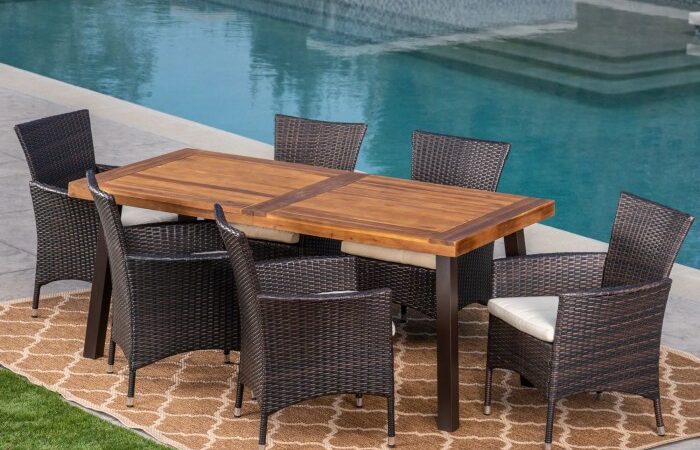
Contemporary outdoor dining sets offer a blend of style, comfort, and durability, transforming your outdoor space into a sophisticated and inviting area for relaxation and entertaining. These sets often feature clean lines, minimalist designs, and a focus on high-quality, weather-resistant materials. From sleek aluminum frames to sustainably sourced teak, the options are vast, catering to a range of aesthetics and budgets. Understanding the different materials, design trends, and ergonomic considerations will help you choose the perfect set to complement your outdoor living area and enhance your enjoyment of the space.
This guide explores the key aspects of contemporary outdoor dining sets, from defining the style and examining the manufacturing processes to understanding design trends, ergonomics, and pricing. We’ll delve into the various materials used, their pros and cons, and how they contribute to the overall aesthetic and longevity of the set. We’ll also discuss how to evaluate the ergonomics and functionality of different designs to ensure a comfortable and enjoyable dining experience. Finally, we’ll offer insights into pricing and market trends to help you make an informed decision.
Defining “Contemporary” in Outdoor Dining Sets
Contemporary outdoor dining sets represent a blend of clean lines, minimalist aesthetics, and modern functionality. They often prioritize comfort and durability, using materials and designs that stand up to the elements while maintaining a sleek, sophisticated look. This contrasts sharply with more traditional or rustic styles, which typically feature ornate details, heavier materials, and a more classic aesthetic.
Key Design Elements of Contemporary Outdoor Dining Sets
Contemporary designs emphasize simplicity and functionality. Expect to see streamlined silhouettes, geometric shapes, and a lack of excessive ornamentation. Think clean lines, uncluttered surfaces, and a focus on the overall form. Neutral color palettes are common, often incorporating shades of gray, beige, white, or black, although bolder accent colors can be used strategically. The overall effect is one of understated elegance and modern sophistication.
Comparison with Other Styles
Traditional outdoor dining sets often feature intricate carvings, elaborate patterns, and heavier materials like wrought iron or solid wood. Rustic styles, on the other hand, embrace natural materials and a more weathered, lived-in look, often employing reclaimed wood or stone. Contemporary sets differ significantly by prioritizing clean lines and minimalist aesthetics, foregoing ornate detailing in favor of a sleek, uncluttered design. The materials used are also distinct, with contemporary sets frequently utilizing lighter, more weather-resistant materials like aluminum or resin wicker.
Materials Used in Contemporary Designs, Contemporary outdoor dining set
A variety of materials contribute to the contemporary look and feel of outdoor dining sets. Aluminum is a popular choice due to its lightweight yet sturdy nature and resistance to rust. Wicker, often made from resin, offers a more textured and visually warm alternative, while maintaining weather resistance and low maintenance. Teak, a naturally durable hardwood, provides a more luxurious option but requires more maintenance than aluminum or resin wicker. Other materials like steel (often powder-coated for weather resistance) and concrete (for a more industrial aesthetic) also find their place in contemporary designs.
Durability and Maintenance of Materials
The choice of material significantly impacts both the durability and maintenance requirements of a contemporary outdoor dining set. Below is a comparison:
| Material | Durability | Maintenance | Notes |
|---|---|---|---|
| Aluminum | High; resists rust and corrosion | Low; occasional cleaning | Lightweight and easy to move |
| Resin Wicker | Moderate; durable but can fade with prolonged sun exposure | Low; occasional cleaning; avoid harsh chemicals | Offers a warmer, more textured aesthetic |
| Teak | High; naturally weather-resistant and durable | Moderate; requires occasional oiling or sealing | Luxurious look; can become quite expensive |
| Steel (Powder-Coated) | High; durable and rust-resistant | Low; occasional cleaning | Can be heavy; offers a modern, industrial look |
Materials and Manufacturing Processes
Source: magzhouse.com
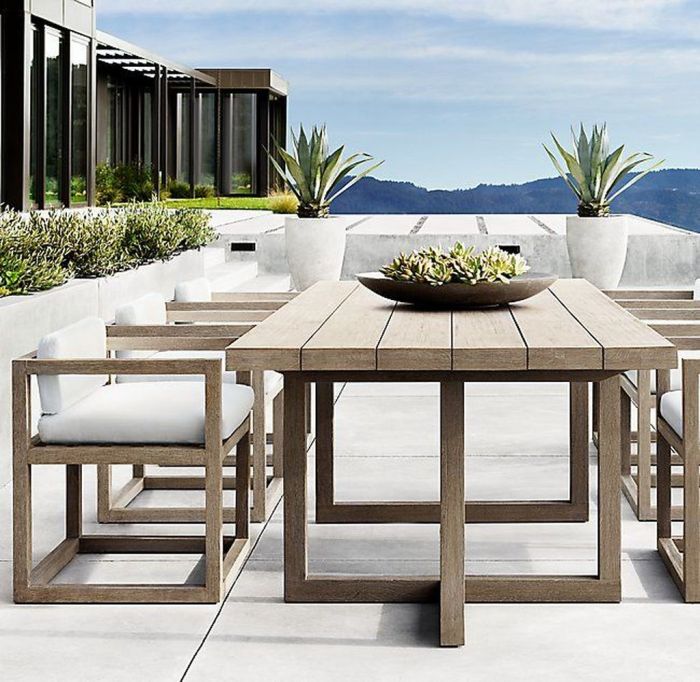
Creating contemporary outdoor dining sets involves a careful selection of materials and precise manufacturing processes. The choices made directly impact the set’s durability, aesthetic appeal, and, crucially, its environmental footprint. Sustainable practices are increasingly important in this sector, driving innovation in both materials and production methods.
Material Selection and Properties
The choice of materials significantly influences the longevity, appearance, and environmental impact of an outdoor dining set. Different materials offer unique advantages and disadvantages regarding sustainability, weather resistance, and cost.
- Aluminum: Lightweight, rust-resistant, and recyclable, aluminum is a popular choice. However, its production is energy-intensive.
- Steel: Durable and strong, steel offers excellent structural support. However, it requires protective coatings to prevent rust and can be heavy.
- Wood: Provides a natural aesthetic and can be sourced sustainably (e.g., FSC-certified wood). However, wood requires regular maintenance to protect it from the elements and can be susceptible to rot or insect damage.
- Wicker/Rattan: Offers a lightweight and stylish option, often made from sustainable, rapidly renewable resources. However, it requires careful maintenance and might not be as durable as other materials.
- Plastic (Recycled and Virgin): Affordable and weather-resistant, plastic is a widely used material. However, concerns about its environmental impact, particularly with virgin plastics, are growing. Recycled plastic offers a more sustainable alternative.
- Concrete: Durable and weather-resistant, concrete is gaining popularity for its modern aesthetic. However, it’s heavy and requires careful handling during manufacturing and transportation.
Sustainable Manufacturing Processes
Minimizing environmental impact is a key consideration in the production of contemporary outdoor dining sets. A hypothetical manufacturing process focused on sustainability would incorporate several key elements.
- Sourcing Sustainable Materials: Utilizing recycled materials, FSC-certified wood, and rapidly renewable resources like bamboo whenever possible.
- Efficient Production Techniques: Implementing lean manufacturing principles to minimize waste and energy consumption. This includes optimizing material usage, reducing transportation distances, and employing energy-efficient machinery.
- Water Conservation: Implementing water-saving technologies throughout the manufacturing process, such as closed-loop water systems.
- Waste Management: Implementing robust waste management strategies, including recycling and composting programs, to minimize landfill waste.
- Carbon Footprint Reduction: Investing in renewable energy sources to power the manufacturing facility and exploring carbon offsetting programs to further reduce the carbon footprint.
Innovative and Sustainable Materials
The outdoor furniture industry is constantly seeking innovative and sustainable materials.
- Recycled Aluminum: Using recycled aluminum significantly reduces the energy required compared to using virgin aluminum.
- Bamboo: A rapidly renewable resource, bamboo is a strong and durable alternative to traditional wood.
- Recycled Plastic Lumber: Made from recycled plastic, this material is durable, weather-resistant, and requires minimal maintenance.
- Mycelium Composites: A relatively new material made from mushroom roots, mycelium offers a lightweight, biodegradable, and sustainable alternative to traditional materials.
Design Trends and Aesthetics
Source: sierralivingconcepts.com
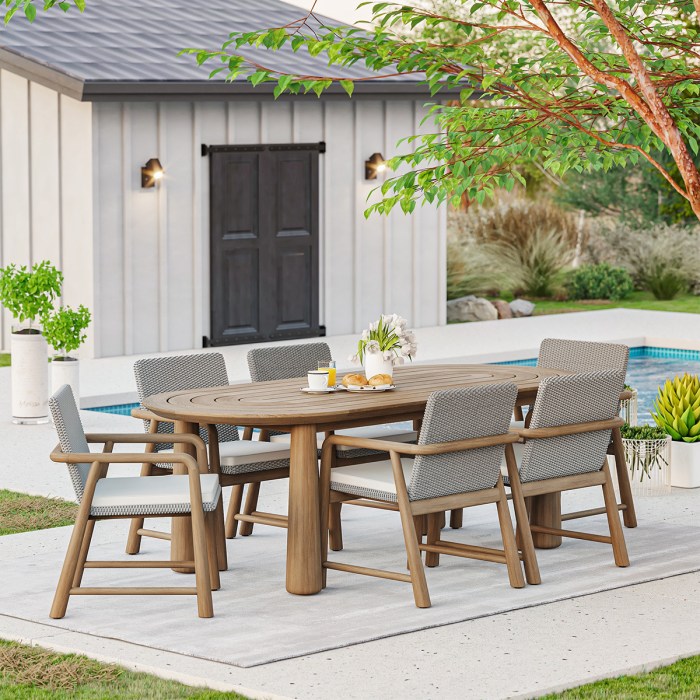
Contemporary outdoor dining sets reflect evolving design preferences, blending functionality with aesthetic appeal to create inviting and stylish spaces. Understanding current trends is crucial for both designers and consumers seeking to create a sophisticated and comfortable outdoor environment.
Emerging Design Trends in Contemporary Outdoor Dining Sets
Three prominent trends shaping the design of contemporary outdoor dining sets are the increasing integration of nature-inspired elements, the rise of modularity and flexibility, and the embrace of minimalist aesthetics with a focus on clean lines and uncluttered designs. These trends reflect a desire for spaces that are both stylish and seamlessly blend with their surroundings.
Color Palettes and Textures in Contemporary Outdoor Dining
Color palettes and textures play a vital role in setting the overall mood and aesthetic of an outdoor dining area. Earthy tones like warm greys, muted greens, and natural browns are currently popular, creating a calming and sophisticated atmosphere. These are often complemented by pops of brighter colors in cushions or accessories. Texturally, the use of natural materials like woven rattan, teak wood with its natural grain variations, and concrete with its slightly rough texture adds depth and visual interest. The contrast between smooth surfaces and textured elements contributes to a richer sensory experience. For example, a set with a smooth, dark grey concrete table might be paired with chairs featuring woven rattan seats and backs, offering a sophisticated balance of textures and colors.
Popular Design Features in Contemporary Outdoor Dining Sets
Several design features enhance both the aesthetic and functionality of contemporary outdoor dining sets. These features often improve comfort, convenience, and overall enjoyment of the outdoor space.
- Integrated lighting: Subtle, integrated lighting, such as LED strips under tabletops or within the frame of chairs, creates a warm and inviting ambiance for evening dining.
- Built-in planters: Sets incorporating integrated planters seamlessly blend the dining area with surrounding greenery, fostering a connection with nature.
- Weather-resistant materials: The use of materials designed to withstand various weather conditions ensures the longevity and durability of the set, reducing maintenance and replacement costs. For example, powder-coated aluminum or sustainably sourced teak wood are popular choices.
- Adjustable features: Features like adjustable chair heights or tilting tabletops cater to diverse needs and preferences, improving comfort and versatility.
Influence of Design Elements on Overall Feel and Functionality
The choice of design elements significantly impacts the overall feel and functionality of an outdoor dining set. A minimalist design, characterized by clean lines, simple forms, and a limited color palette, creates a serene and uncluttered space. This is in contrast to a maximalist approach, which embraces bold colors, intricate details, and a variety of textures to create a vibrant and richly layered environment. For instance, a minimalist set might feature a sleek, rectangular table made of dark grey concrete and simple, straight-backed chairs in a neutral color, while a maximalist set might include a round table with ornate detailing, brightly colored cushions, and intricately carved chairs. The choice between these styles depends on personal preferences and the desired atmosphere for the outdoor dining area.
Ergonomics and Functionality
Source: walmartimages.com
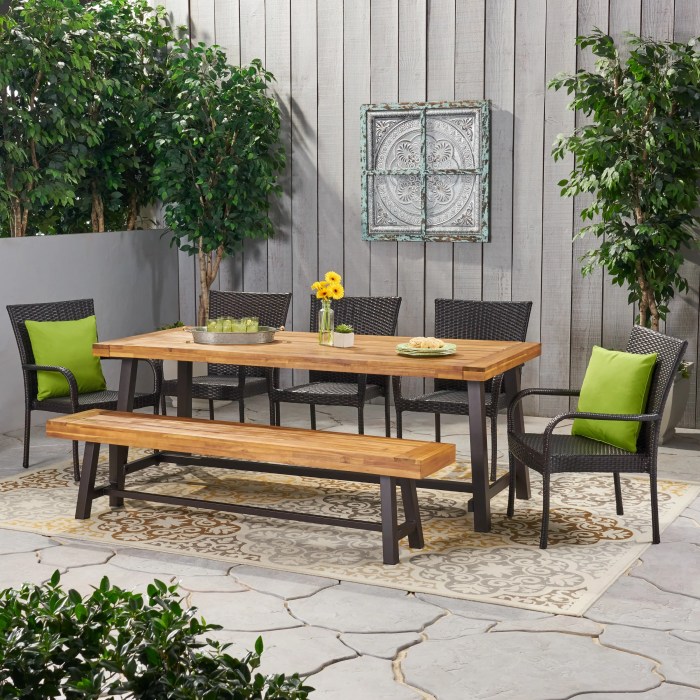
Ergonomic design in outdoor furniture is crucial for ensuring comfort and ease of use, ultimately enhancing the enjoyment of outdoor dining experiences. A well-designed set prioritizes the user’s physical well-being, promoting relaxation and preventing discomfort during prolonged use. Ignoring ergonomics can lead to back pain, stiffness, and overall dissatisfaction with the furniture.
The importance of ergonomic considerations extends beyond simple comfort; it impacts the overall usability and longevity of the set. A set designed with ergonomics in mind will naturally encourage users to spend more time outdoors, making the investment more worthwhile. Conversely, poorly designed furniture may lead to users abandoning it in favor of more comfortable alternatives.
Seating Ergonomics in Different Chair Styles
Contemporary outdoor dining sets offer a variety of chair styles, each with its ergonomic characteristics. For example, chairs with contoured backs and armrests provide superior lumbar support compared to simpler, backless stools. Similarly, chairs with adjustable features, such as reclining backs or height-adjustable seats, offer a wider range of comfortable postures. The material of the chair also plays a significant role; breathable fabrics like mesh or wicker can prevent overheating and discomfort in warm climates, while cushioned seats offer added comfort for longer dining sessions. A comparison of a slatted wooden chair versus a cushioned sling chair reveals the difference in support and comfort. The slatted chair provides less cushioning but good air circulation, whereas the sling chair offers more comfort but may retain heat.
The Impact of Design Choices on User Experience
Table height is a critical ergonomic factor. A table that’s too high or too low can lead to discomfort and strain. Standard table heights are generally designed for comfortable seating, but variations can affect user experience. A higher table might be preferable for taller individuals, while a lower table might be more suitable for smaller people. Similarly, chair-back support influences posture and comfort. Chairs with high backs provide better lumbar support, preventing slouching and reducing back strain, especially during longer meals. Conversely, chairs with low or no backs may be less comfortable for extended periods. The depth of the chair seat also plays a role; a seat that’s too deep or too shallow can cause discomfort and affect posture.
Checklist for Evaluating Ergonomic Features
Before purchasing a contemporary outdoor dining set, consider the following checklist to assess its ergonomic features:
- Seat Height: Is the seat height comfortable for all intended users? Does it allow for proper foot placement on the ground or a footrest?
- Back Support: Does the chair provide adequate lumbar support? Is the backrest appropriately contoured and sufficiently high?
- Armrests: Are armrests present and positioned at a comfortable height? Do they provide adequate support without being intrusive?
- Seat Depth and Width: Is the seat deep and wide enough to accommodate all users comfortably? Does it provide adequate support without being overly spacious?
- Material and Cushioning: Is the seating material breathable and comfortable? Does it provide adequate cushioning for prolonged sitting?
- Table Height: Is the table height appropriate for the chosen chairs, allowing for comfortable posture and elbow room?
Pricing and Market Analysis: Contemporary Outdoor Dining Set
Understanding the pricing of contemporary outdoor dining sets requires considering a multitude of factors, from raw material costs and manufacturing processes to brand recognition and market demand. This analysis will explore these influences and illustrate how they contribute to the wide price range observed in this market segment.
Factors influencing the price range are complex and interconnected. The most significant are material costs, manufacturing processes, design complexity, brand reputation, and retailer markup.
Material Costs and Manufacturing Processes
The choice of materials significantly impacts the final price. High-end sets often utilize durable, weather-resistant materials like teak, all-weather wicker, or powder-coated aluminum. These materials are inherently more expensive than less durable options such as plastic or untreated wood. Similarly, the manufacturing process influences cost. Hand-crafted sets, involving intricate joinery or specialized weaving techniques, command higher prices than mass-produced sets. For example, a teak dining set with hand-carved details will cost considerably more than a similar-looking set made from cheaper wood and mass-produced using automated processes.
Price Comparison Across Manufacturers and Retailers
A comparison of similar sets from different manufacturers reveals considerable price variation. For instance, a six-piece aluminum outdoor dining set from a well-known high-end brand might retail for $3,000 – $5,000, while a comparable set from a lesser-known brand or a large home improvement retailer could be priced between $800 – $1,500. This difference reflects not only the materials and manufacturing techniques but also the brand’s marketing and distribution costs. Retailers also influence pricing; a high-end furniture store will generally have higher prices than a big-box retailer due to its target market and overhead costs.
Price Points and Their Relation to Features and Brand Reputation
Price points directly correlate with the materials, features, and brand reputation. Higher price points often indicate the use of premium materials, sophisticated designs, enhanced durability, and superior craftsmanship. Established brands with a strong reputation for quality and design typically command higher prices than lesser-known brands, even if the materials and construction are comparable. For example, a set featuring a renowned designer’s signature style or incorporating innovative ergonomic features will command a premium price compared to a more basic design.
Impact of Economic Factors on the Market
Economic factors significantly influence the market for contemporary outdoor dining sets. During periods of economic growth and high consumer confidence, demand for higher-priced, premium sets increases. Conversely, during economic downturns, consumers may opt for more affordable options, shifting demand towards lower-priced sets made from less expensive materials. Fluctuations in raw material prices (e.g., lumber, aluminum) also directly affect the manufacturing costs and subsequently the retail prices of outdoor dining sets. For example, during periods of lumber scarcity, the cost of wooden outdoor furniture significantly increases, impacting consumer purchasing decisions.
Visual Representation
Source: walmartimages.com
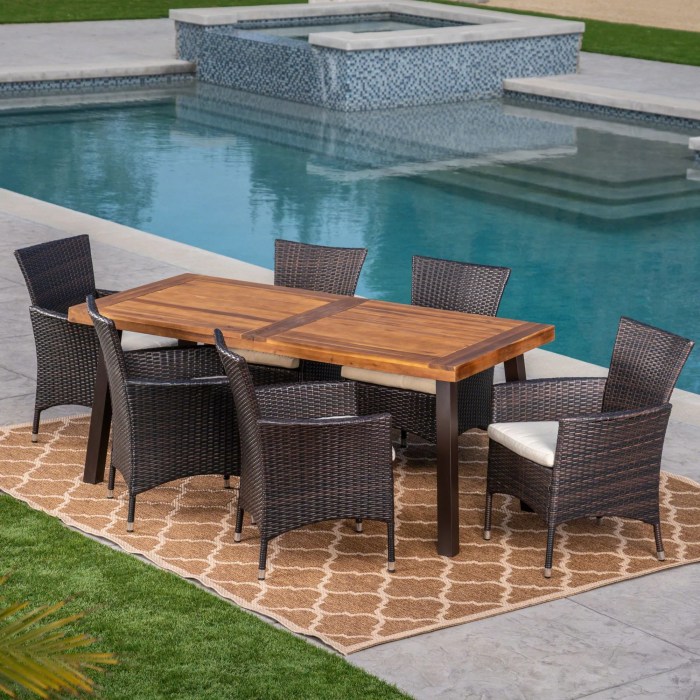
Visual appeal is paramount in the outdoor furniture market. The aesthetic qualities of a contemporary outdoor dining set significantly influence consumer choice, varying widely depending on price point and design philosophy. The following descriptions illustrate the visual differences across various price ranges and styles.
High-End Contemporary Outdoor Dining Set
Imagine a set crafted from sustainably sourced teak, its rich, honeyed tones deepened by a subtle, hand-applied oil finish. The table boasts a wide, slatted top, showcasing the natural grain variations of the wood. The chairs, with their clean lines and gently curved backs, are upholstered in weather-resistant, high-performance fabric in a sophisticated charcoal grey. The overall texture is a pleasing mix of smooth wood and subtly textured fabric, creating a feeling of luxurious comfort. Metal accents, perhaps in brushed stainless steel, add a touch of modern elegance, complementing the warm tones of the wood. The visual effect is one of understated sophistication and timeless style.
Mid-Range Contemporary Outdoor Dining Set
A mid-range contemporary set might utilize powder-coated aluminum for its frame, offering a sleek, modern aesthetic in a choice of colors, such as a muted sage green or a classic charcoal grey. The tabletop could be constructed from a composite material, mimicking the look of wood grain without the high maintenance. The chairs might feature a simple, streamlined design with woven Textilene or sling fabric seating for durability and easy cleaning. While lacking the luxurious feel of a high-end set, this mid-range option still delivers a contemporary look with a focus on functionality and ease of maintenance. The visual impact is clean, modern, and practical.
Budget-Friendly Contemporary Outdoor Dining Set
A budget-friendly option often employs materials like resin wicker or steel with a simple, painted finish. The colors tend towards brighter, more vibrant hues, perhaps a sunny yellow or a cheerful turquoise. The table might have a simple, flat top, and the chairs may have basic, unadorned designs. The textures are generally smoother, and less nuanced than in higher-priced sets. While lacking the richness and sophistication of more expensive options, these sets still offer a contemporary aesthetic, prioritizing affordability and practicality over luxurious materials and intricate details. The visual style is straightforward and cheerful.
Minimalist Contemporary Outdoor Dining Set
This set prioritizes clean lines and functionality above all else. Imagine a table with a simple, rectangular top made from powder-coated steel or concrete, its surface smooth and unadorned. The chairs, equally minimalist, might feature slender metal legs and simple, molded plastic or polypropylene seats. The color palette is restrained, perhaps featuring a single neutral color such as white, grey, or black. The overall effect is one of stark elegance and understated sophistication. The visual impact is a powerful statement of simplicity and modern design. The absence of ornamentation highlights the beauty of the essential form.
Ultimate Conclusion
Choosing a contemporary outdoor dining set is an investment in enhancing your outdoor living experience. By considering the factors discussed—from material durability and design aesthetics to ergonomic comfort and pricing—you can select a set that perfectly complements your style, budget, and lifestyle. Remember to prioritize quality materials and construction for long-lasting enjoyment, and don’t hesitate to explore different design trends to find the perfect fit for your outdoor oasis. Creating a stylish and functional outdoor dining area can significantly increase the usability and enjoyment of your home, transforming it into a welcoming space for family and friends to gather and create lasting memories.
Popular Questions
What is the average lifespan of a contemporary outdoor dining set?
The lifespan varies greatly depending on the materials used and the level of maintenance. High-quality sets made from durable materials like aluminum or teak can last for 10-15 years or more with proper care.
How often should I clean my outdoor dining set?
Regular cleaning, ideally after each use, helps prevent dirt and debris buildup. More thorough cleaning with appropriate cleaning solutions should be done seasonally or as needed.
Can I leave my outdoor dining set outside year-round?
This depends on the materials and your climate. Some materials are more weather-resistant than others. Check the manufacturer’s recommendations for best practices.
What are some ways to protect my outdoor dining set from the elements?
Consider using protective covers during periods of inclement weather or extended periods of non-use. Regular cleaning and proper maintenance also help protect the set.
Where can I find replacement parts for my outdoor dining set?
Contact the manufacturer or retailer where you purchased the set. Many retailers offer replacement parts for their products.
Comments are closed.