Patio Shade Ideas Cool Your Outdoor Space

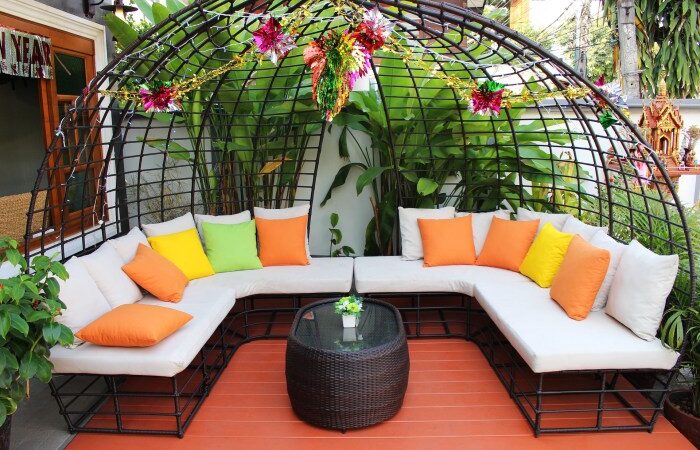
Patio shade ideas are key to transforming your outdoor space into a comfortable and enjoyable haven. Whether you envision a romantic pergola draped in climbing vines, a sleek retractable awning for sun protection, or a whimsical shade sail adding a pop of color, the possibilities are endless. This guide explores various patio shade solutions, from DIY projects to professional installations, helping you choose the perfect fit for your style, budget, and needs. We’ll delve into the different types of shade structures, materials, design considerations, and maintenance tips to ensure your patio stays cool and inviting all season long.
We’ll cover a range of options, including pergolas, awnings, umbrellas, shade sails, and even the strategic placement of shade trees. We’ll compare the pros and cons of each, factoring in durability, cost, aesthetics, and ease of maintenance. We’ll also explore DIY projects for those looking to tackle the task themselves, offering step-by-step instructions and cost estimates. Finally, we’ll help you design a shade solution that complements your existing patio style and landscaping, creating a cohesive and beautiful outdoor oasis.
Types of Patio Shade Structures
Choosing the right patio shade structure can significantly enhance your outdoor living space, providing respite from the sun’s harsh rays while adding aesthetic appeal. The best option depends on your budget, desired level of sun protection, aesthetic preferences, and the overall style of your home. Let’s explore some popular choices.
Pergolas
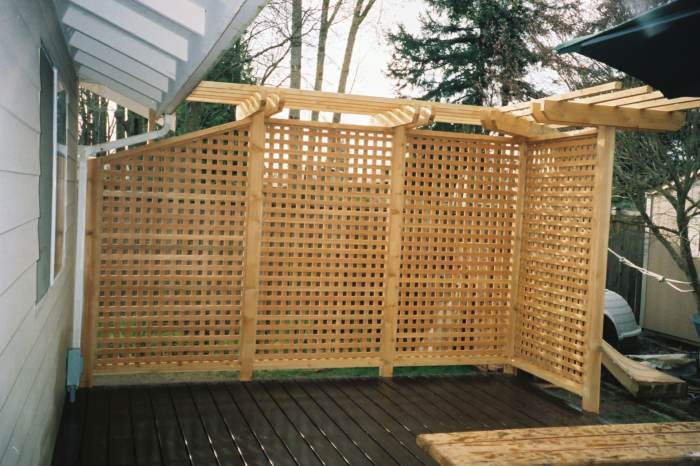
Pergolas are freestanding structures with a lattice-like roof, offering partial shade. They are typically constructed from wood, vinyl, or aluminum. Wood pergolas offer a classic, natural look but require regular maintenance to prevent rot and insect damage. Vinyl pergolas are low-maintenance and durable, while aluminum pergolas are lightweight, strong, and resistant to rust. Installation involves setting posts and attaching the lattice roof. Costs vary widely depending on size, materials, and complexity of design, ranging from a few hundred dollars for a small, simple pergola to several thousand for a large, elaborate structure. A DIY approach can lower costs, but professional installation ensures structural integrity and longevity.
Retractable Awnings, Patio shade ideas
Retractable awnings offer adjustable shade, allowing you to control the amount of sun exposure. They are typically made of fabric stretched over a retractable frame. Fabric options include acrylic, which is durable and fade-resistant, and solution-dyed acrylic, which offers superior fade resistance. Installation involves mounting the awning to your home’s exterior wall or fascia. Costs vary greatly depending on size, fabric choice, and features like motorized operation or sensors. Expect to pay anywhere from a few hundred dollars for a smaller manual awning to several thousand for a large motorized awning with advanced features. Retractable awnings require minimal maintenance, typically involving occasional cleaning and fabric treatment.
Umbrellas
Patio umbrellas are a portable and affordable shade solution. They are available in various sizes, styles, and materials, including canvas, polyester, and even aluminum. Installation is simply a matter of placing the umbrella base and opening the canopy. Costs range from under $50 for a basic model to several hundred dollars for a large, high-quality umbrella with features like tilt functionality and UV protection. Maintenance is straightforward, usually involving occasional cleaning and occasional replacement of damaged parts.
Shade Sails
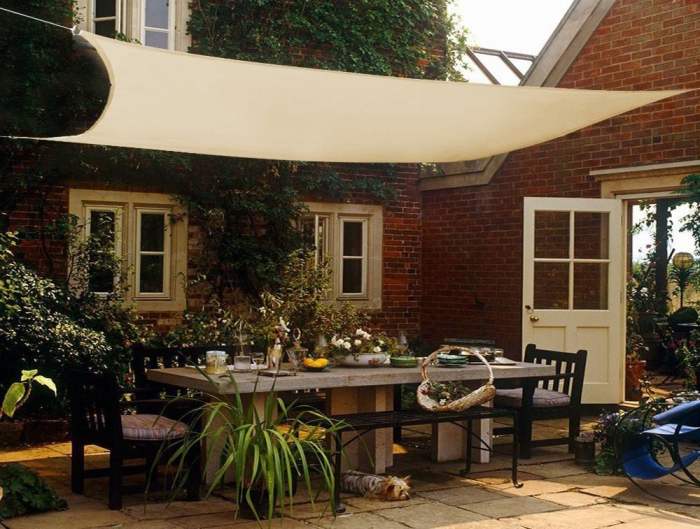
Shade sails are lightweight, fabric structures that are stretched between posts or anchors. They offer a modern, minimalist aesthetic and are highly customizable in shape and size. Materials typically include high-density polyethylene (HDPE) or solution-dyed acrylic. Installation requires securing the sail to sturdy points, often involving professional help for larger or more complex installations. Costs depend on size and fabric choice but generally range from a few hundred to several thousand dollars. Maintenance is minimal, usually involving periodic cleaning.
Shade Trees
Planting shade trees provides a natural and long-term shade solution. Mature trees offer substantial shade and can significantly lower the temperature around your patio. The initial cost is relatively low (depending on the tree type and size), but it takes time for the tree to mature and provide adequate shade. Maintenance involves regular watering, fertilization, and occasional pruning. The lifespan is decades, offering a very cost-effective solution in the long run.
Comparison of Patio Shade Solutions
| Shade Solution | Lifespan (Years) | Average Cost (USD) | Maintenance |
|---|---|---|---|
| Pergola (Wood) | 10-20+ (with maintenance) | $500 – $5000+ | Regular staining/sealing, pest control |
| Retractable Awning | 10-15+ | $500 – $3000+ | Occasional cleaning, fabric treatment |
| Patio Umbrella | 3-7 | $50 – $500+ | Occasional cleaning, part replacement |
| Shade Sail | 5-10+ | $200 – $2000+ | Periodic cleaning |
Materials for Patio Shade
Choosing the right materials for your patio shade structure is crucial for its longevity, aesthetic appeal, and overall effectiveness. The material you select will significantly impact its durability, how well it withstands the elements, and the level of maintenance required. Consider your budget, desired style, and the climate in your area when making your decision.
Wood for Patio Shade Structures
Wood offers a classic, natural look that complements many outdoor settings. However, it requires regular maintenance to prevent rot, insect damage, and weathering. Hardwoods like cedar and redwood are naturally more resistant to decay and insects, offering superior durability compared to softer woods. Pressure-treated lumber provides added protection against rot and pests, extending its lifespan. Wood’s aesthetic appeal is undeniable, but it demands regular cleaning, sealing, and potential repairs or replacements over time. The initial cost can be moderate to high depending on the type of wood chosen.
Metal for Patio Shade Structures
Metal patio shade structures, often made from aluminum or steel, are known for their strength and durability. Aluminum is lightweight, rust-resistant, and relatively easy to maintain. Steel, while heavier and potentially prone to rust, offers exceptional strength. Powder-coated finishes enhance the weather resistance of both materials. Metal shades are generally low maintenance, requiring occasional cleaning to remove dirt and debris. However, they can become hot to the touch in direct sunlight, and potential damage from strong winds or impacts needs to be considered. The cost varies greatly depending on the metal type and finish.
Fabric for Patio Shade Structures
Fabric shades, often made from canvas, polyester, or acrylic, offer a variety of styles and colors. They are lightweight, relatively inexpensive, and can be easily installed. However, fabric shades generally have a shorter lifespan than wood or metal structures and are more susceptible to fading, tearing, and mildew. Regular cleaning and proper storage during inclement weather are essential to extend their lifespan. Consider using UV-resistant fabrics to protect against sun damage and fading. The cost is generally lower compared to wood or metal, but replacement frequency needs to be factored in.
Vinyl for Patio Shade Structures
Vinyl is a popular choice for its affordability, low maintenance, and weather resistance. It’s resistant to rot, insects, and mildew, making it a durable option. Vinyl shades come in a variety of colors and styles, often mimicking the look of wood. Cleaning is simple, usually involving just soap and water. However, vinyl can be less aesthetically pleasing than wood or some fabrics, and it can become brittle and crack over time, especially with significant temperature fluctuations. The cost is generally low, making it an attractive option for budget-conscious consumers.
Maintenance Requirements for Patio Shade Structures
Regular maintenance is crucial for extending the lifespan of any patio shade structure. This includes periodic cleaning to remove dirt, debris, and mildew. Wood structures require regular sealing or staining to protect against moisture damage. Metal structures may need occasional repainting or touch-ups to maintain their finish. Fabric shades should be cleaned regularly and stored properly during harsh weather. Vinyl shades require minimal maintenance but may need occasional cleaning to remove dirt and debris. Addressing any damage promptly, such as repairing cracks or replacing damaged parts, will prevent further deterioration.
Recycled Material Patio Shade Structure
Imagine a patio shade structure crafted from repurposed pallets. The pallets, stripped of their old paint and carefully sanded, form the frame of a sturdy, rectangular shade. Upcycled plastic bottles, filled with sand for weight and stability, are incorporated as decorative elements along the frame’s bottom edge, adding a touch of whimsy. The shade’s canopy is made from woven strips of recycled plastic bags, creating a unique, textured surface. The overall effect is a rustic yet modern design, showcasing the beauty of sustainable materials. This design highlights the inherent strength and versatility of recycled materials while minimizing environmental impact. The use of repurposed pallets reduces landfill waste, and the upcycled plastic adds a creative and functional element, minimizing reliance on new materials.
DIY Patio Shade Projects
Source: townnews.com
Building your own patio shade can be a rewarding experience, saving you money and allowing you to customize the design to perfectly fit your outdoor space. This section will guide you through several DIY projects, catering to different skill levels and budgets. Remember to always prioritize safety and follow local building codes.
Building a Simple Pergola
A pergola is a classic and relatively straightforward shade structure. This project is ideal for beginners with basic carpentry skills.
Materials List:
* Four 6×6 pressure-treated lumber posts (adjust height based on your needs)
* Eight 2×4 lumber beams (for the top crossbeams)
* Lattice panels or lumber for the shade covering
* Concrete mix for setting the posts
* Post-hole digger
* Level
* Measuring tape
* Drill with appropriate drill bits
* Screws or bolts
* Wood stain or sealant (optional)
Step-by-Step Instructions:
1. Dig four holes, spaced according to your desired pergola dimensions, ensuring they are deep enough for stability. The holes should be approximately 2-3 feet deep.
2. Set the 6×6 posts in the holes, using a level to ensure they are perfectly plumb (vertical). Fill the holes with concrete mix, allowing it to cure completely (usually 24-48 hours).
3. Once the concrete is set, attach the 2×4 beams to the top of the posts using screws or bolts, creating a rectangular frame. Pre-drill pilot holes to prevent the wood from splitting.
4. Attach the lattice panels or lumber to the frame, creating the shade covering. This can be done using screws or strong adhesive.
5. Apply wood stain or sealant to protect the wood from the elements.
Illustrative Diagram (Textual Description): Imagine a rectangle formed by four vertical posts. Across the top, two parallel 2×4 beams run horizontally, connecting the posts. Another two parallel 2×4 beams run horizontally beneath the first set, creating a sturdy frame. Lattice panels or boards are attached to the top frame, creating a shaded area beneath.
DIY Patio Shade Projects for Varying Skill Levels
Choosing the right project depends on your experience and available time.
- Beginner: A simple shade sail. This involves attaching a large piece of shade cloth to existing structures, such as a fence or house, using sturdy rope and hardware. Estimated cost: $50-$100; Time commitment: 2-4 hours.
- Intermediate: A freestanding shade structure using PVC pipes and shade cloth. This project allows for greater customization and requires some basic plumbing knowledge. Estimated cost: $100-$200; Time commitment: 8-12 hours.
- Advanced: A custom-designed pergola with intricate detailing and integrated lighting. This project requires advanced carpentry skills and potentially specialized tools. Estimated cost: $500-$1000+; Time commitment: 24+ hours.
Installing a Retractable Awning
Retractable awnings offer a convenient solution for adjustable shade.
Installation Steps:
1. Measure and mark the mounting location on the wall or fascia. Ensure the area is structurally sound and can support the awning’s weight.
2. Mount the awning brackets securely using appropriate screws and anchors. Use a level to ensure the brackets are perfectly aligned.
3. Attach the awning casing to the brackets.
4. Carefully extend and retract the awning to ensure smooth operation.
5. Adjust the tension if necessary.
Potential Challenges and Solutions:
* Uneven mounting surface: Use shims to level the brackets before securing them.
* Incorrect measurements: Double-check all measurements before drilling any holes. Incorrect measurements can lead to improper installation and potential damage.
* Difficult access: Use a ladder or scaffolding to reach high mounting points, ensuring safety measures are in place.
Designing for Different Patio Styles
Source: shadefxcanopies.com
Choosing the right patio shade not only protects you from the sun but also enhances the overall aesthetic of your outdoor space. The style of your shade structure should complement your patio’s existing design, creating a cohesive and visually appealing area. This section explores how to design patio shade solutions for various patio styles, integrating them seamlessly with your landscaping and architecture.
Modern Minimalist Patio Shade Design
Modern minimalist patios emphasize clean lines, simple forms, and a neutral color palette. To maintain this aesthetic, consider a shade solution that is equally understated. A retractable awning in a neutral color like off-white or a light gray would be ideal. The awning should be sleek and simple, without unnecessary embellishments. Materials like aluminum or powder-coated steel would complement the modern aesthetic, while a simple, geometric design would enhance the minimalist feel. Avoid ornate details or overly complex structures. The shade should integrate seamlessly with the existing architecture, perhaps matching the color of the house or other outdoor structures.
Rustic Farmhouse Patio Shade Design
Rustic farmhouse patios evoke a sense of warmth and coziness. Natural materials and a relaxed, informal style are key elements. A pergola covered with climbing vines or a shade sail made from natural fabric like canvas would be perfect choices. The pergola could be made from reclaimed wood or stained to complement the surrounding landscape. A natural wood or stone base would add to the rustic feel. Consider incorporating elements like string lights or lanterns to enhance the ambiance. The overall design should feel organic and unpretentious, allowing the natural beauty of the materials to shine.
Traditional Patio Shade Design
Traditional patios often feature classic design elements and a formal layout. A shade solution that complements this style should be equally elegant and sophisticated. A sturdy gazebo with a classic design, perhaps featuring intricate detailing or decorative trim, would be a suitable option. Materials like wrought iron, stained wood, or stone would be appropriate choices, creating a timeless and refined look. The color palette should be coordinated with the existing architecture and landscaping, using rich, earthy tones. Consider adding comfortable seating and decorative accents to complete the traditional aesthetic. The shade structure should feel substantial and well-constructed, conveying a sense of permanence and quality.
Integrating Patio Shade Structures with Existing Landscaping and Architectural Features
Successful patio shade integration involves careful consideration of the surrounding environment. The shade structure’s size, shape, and color should complement the existing architecture and landscaping. For example, a large shade sail might be suitable for a spacious patio with ample surrounding space, while a smaller pergola might be more appropriate for a smaller, more intimate setting. Consider the height of surrounding trees and buildings when choosing the height of your shade structure. The color of the shade structure should complement the existing color palette, creating a cohesive and visually pleasing effect. For example, a shade sail in a neutral color could blend seamlessly with a variety of architectural styles and landscaping features. Incorporating plants around the shade structure can further enhance the aesthetic appeal and create a more natural and inviting atmosphere.
Example of a Patio Shade Design Incorporating Both Natural and Artificial Shade Elements
Imagine a patio with a large, mature oak tree providing natural shade over one section. Underneath the tree, comfortable wicker furniture is arranged, creating a cozy seating area. To supplement the natural shade, a retractable awning is installed on the opposite side of the patio, providing additional shade during the hottest parts of the day. The awning is a sleek, modern design in a neutral color that complements the rustic charm of the wicker furniture and the natural beauty of the oak tree. Climbing vines are planted along the awning’s support structure, eventually blending the artificial shade with the natural surroundings. The overall effect is a harmonious blend of natural and artificial elements, creating a shaded oasis that is both functional and aesthetically pleasing.
Budgeting and Cost Considerations
Creating a shady oasis on your patio involves careful planning, and a significant aspect of that planning is budgeting. Understanding the factors that influence the cost of your patio shade structure will ensure you stay within your financial limits while achieving your desired aesthetic. Let’s break down the key cost drivers and explore some budget-friendly options.
Factors Influencing the Cost of Patio Shade Structures
Several factors significantly impact the overall cost of a patio shade structure. These factors should be considered carefully to create a realistic budget and avoid unexpected expenses.
Material Costs
The materials you choose for your patio shade structure will be a major determinant of the final cost. High-end materials like cedar wood, aluminum with high-end powder coating, or durable, high-UV resistance fabrics will naturally cost more than standard lumber, basic aluminum, or less durable fabrics. For example, a retractable awning made with high-quality Sunbrella fabric will be considerably more expensive than one using a less durable polyester fabric. Similarly, a custom-built pergola using redwood will cost more than a prefabricated one made of pressure-treated pine.
Size and Complexity
The size of your patio shade structure directly correlates with the amount of materials needed and the labor involved in its construction or installation. Larger structures naturally require more materials and potentially more complex installation, leading to higher costs. The complexity of the design also plays a role; intricate designs or custom features will increase both material and labor costs. A simple rectangular shade sail will cost less than a complex, multi-tiered pergola with integrated lighting.
Installation Costs
If you’re not undertaking a DIY project, the cost of professional installation will add significantly to your overall budget. Installation costs vary based on the structure’s size, complexity, and your location. Professional installers often charge by the hour or by the project, with more complex installations commanding higher fees. For example, installing a large, freestanding pergola will be more expensive than installing a smaller, wall-mounted shade sail.
Customization Options
Adding custom features such as integrated lighting, motorized retracting mechanisms, or specialized paint finishes will drive up the cost. These features add to both the material and labor costs. For example, adding motorized controls to a retractable awning can easily double the cost of a manually operated one.
Budget-Friendly Patio Shade Solutions
Creating a shaded patio doesn’t necessitate breaking the bank. Several budget-friendly options offer both functionality and aesthetic appeal.
Examples of Affordable Shade Solutions
- Shade Sails: These are relatively inexpensive and easy to install, offering a modern and minimalist aesthetic. A simple triangular or square shade sail made from a durable but affordable fabric can significantly reduce sun exposure.
- DIY Pergola: Building your own pergola using readily available lumber like pressure-treated pine can significantly reduce costs compared to purchasing a pre-fabricated or custom-built structure. This requires some DIY skills, of course.
- Umbrella: A large patio umbrella provides immediate shade at a relatively low cost. While not as permanent as other options, it offers portability and versatility.
- Climbing Plants: Strategically planting climbing vines or flowering plants on a trellis or existing structure can provide natural shade over time, offering a cost-effective and environmentally friendly solution. This requires patience as it takes time for plants to mature and provide adequate shade.
Sample Budget for a Mid-Range Patio Shade Project
This sample budget assumes a 10ft x 12ft pergola built using pressure-treated lumber and professionally installed. Prices are estimates and can vary depending on location and materials.
| Item | Cost |
|---|---|
| Materials (Lumber, hardware, etc.) | $500 |
| Professional Installation | $1000 |
| Permits (if required) | $100 |
| Contingency (for unexpected costs) | $200 |
| Total Estimated Cost | $1800 |
Maintenance and Care
Proper maintenance is key to extending the life and enjoyment of your patio shade structure. Regular cleaning and timely repairs can prevent costly replacements and keep your outdoor space looking its best for years to come. Neglecting maintenance can lead to premature wear and tear, compromising both the aesthetics and structural integrity of your shade.
Regular maintenance will protect your investment and ensure years of shade and comfort. Different materials require different care, so understanding your shade’s composition is crucial. This section Artikels practical steps for maintaining various types of patio shade structures and addressing common issues.
Fabric Shade Cleaning and Repair
Cleaning fabric shades depends on the material. Canvas or polyester shades often benefit from a gentle brushing to remove loose dirt and debris. For more stubborn stains, a mild detergent solution and a soft brush can be used, followed by thorough rinsing with clean water. Always allow the fabric to completely dry before retracting or storing the shade. Tears in fabric can often be repaired with fabric glue or patching kits specifically designed for outdoor fabrics. For larger tears or significant damage, professional repair may be necessary.
Metal Frame Maintenance
Metal frames, often made of aluminum or steel, are susceptible to rust. Regularly inspect the frame for signs of rust or corrosion. Clean the frame with a wire brush to remove loose rust and then apply a rust-preventative coating, such as paint or specialized rust inhibitor, to protect the metal from further damage. Loose bolts or screws should be tightened to ensure the structural integrity of the frame.
Wood Shade Structure Care
Wooden shade structures require regular treatment to prevent rot and insect infestation. Apply a high-quality wood sealant or stain annually to protect the wood from moisture damage. Regularly inspect the wood for signs of rot, cracks, or insect damage. Address any issues promptly by repairing damaged areas or replacing rotten sections. Proper sealing helps repel water and prevents the growth of mold and mildew.
Routine Patio Shade Maintenance Checklist
Regular inspections are crucial for early detection of problems. A seasonal approach is ideal:
- Spring Inspection: Check for any winter damage, such as loose parts or fabric tears. Clean the shade structure thoroughly, removing any accumulated debris. Reapply any necessary protective coatings (wood sealant, rust preventative).
- Summer Maintenance: Regularly inspect the fabric for tears or fading. Clean the shade as needed, particularly after periods of heavy rain or dust accumulation. Ensure proper functionality of any retractable mechanisms.
- Autumn Preparation: Clean the shade structure thoroughly to remove leaves and debris. If applicable, store or retract the shade for the winter months to protect it from harsh weather conditions.
- Winter Storage (if applicable): If storing the shade, ensure it’s properly cleaned and dried before storage. Store it in a dry, protected area to prevent moisture damage.
Following this checklist will help maintain your patio shade structure and extend its lifespan significantly. Remember to always consult the manufacturer’s instructions for specific care recommendations for your particular model.
Final Summary
Source: mydecorative.com
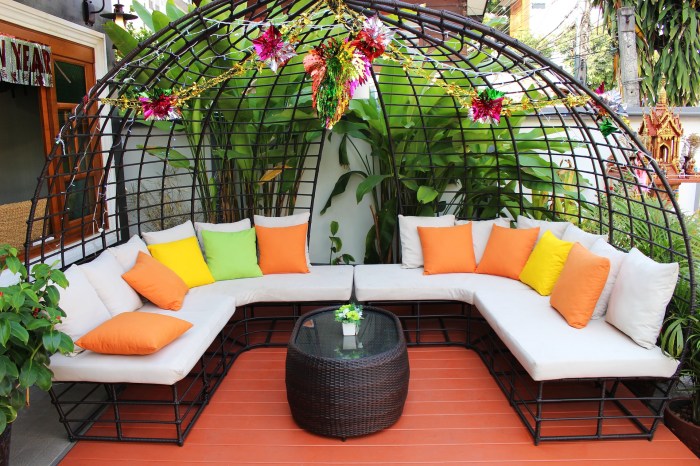
Creating the perfect patio shade solution is a journey of balancing style, functionality, and budget. From the elegant simplicity of a shade sail to the sturdy structure of a pergola, the right choice can dramatically enhance your outdoor living experience. Remember to consider your patio’s style, the amount of sun exposure, your budget, and the level of DIY expertise you possess. By carefully weighing these factors and following the guidelines Artikeld in this guide, you can confidently design and install a patio shade solution that will provide years of cool comfort and aesthetic pleasure. Enjoy your newly shaded sanctuary!
Popular Questions: Patio Shade Ideas
How long do different patio shade structures typically last?
Lifespans vary greatly depending on materials and maintenance. Wood pergolas can last 15-20 years with proper care, while well-maintained retractable awnings might last 10-15 years. Umbrellas generally have a shorter lifespan of 5-10 years.
What’s the best way to clean different shade materials?
Fabric awnings usually require gentle cleaning with mild soap and water. Wood structures can be cleaned with a brush and mild detergent. Metal structures may need occasional rust removal. Always check manufacturer instructions for specific cleaning recommendations.
Can I install a patio shade structure myself?
Some simpler structures like umbrellas and shade sails are easy DIY projects. More complex structures like pergolas and retractable awnings might require professional installation, especially for larger or more intricate designs. Always prioritize safety and consult professional advice when needed.
How much should I budget for a patio shade project?
Costs vary widely depending on size, materials, and complexity. Simple DIY projects might cost a few hundred dollars, while professional installations of larger structures can cost several thousand.
What permits do I need for a patio shade structure?
Permit requirements vary by location. Check with your local building department to determine if a permit is needed for your specific project and structure type. This is crucial to avoid potential legal issues.
Comments are closed.