Best Solar Powered Outdoor Lights A Buyers Guide

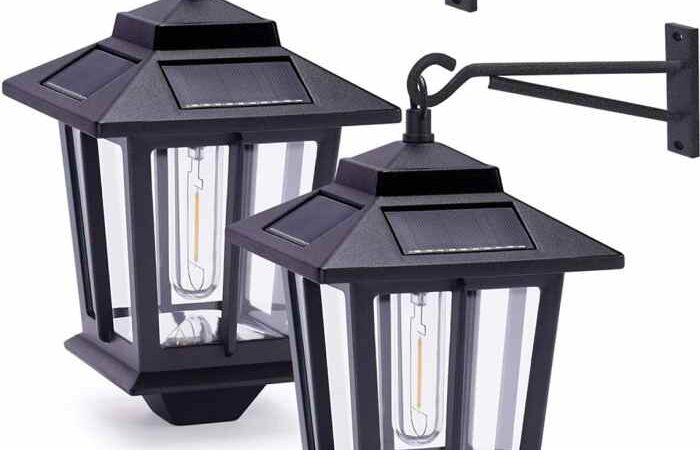
Best solar-powered outdoor lights are transforming how we illuminate our outdoor spaces. They offer a sustainable, cost-effective, and aesthetically pleasing alternative to traditional lighting. This guide dives into everything you need to know to choose, install, and maintain the perfect solar lights for your home, from understanding different types and features to maximizing their performance and longevity. We’ll cover everything from lumens and battery life to design styles and safety considerations, ensuring you make an informed decision.
We’ll explore various types, like path lights ideal for guiding walkways, spotlights for highlighting architectural features, floodlights for broader illumination, and string lights for creating ambiance. We’ll also examine key specifications, including battery capacity, solar panel wattage, and brightness, helping you determine the best fit for your needs and budget. Finally, we’ll discuss installation, maintenance, and troubleshooting, empowering you to enjoy years of reliable, energy-efficient outdoor lighting.
Types of Solar-Powered Outdoor Lights: Best Solar-Powered Outdoor Lights
Choosing the right solar-powered outdoor lights depends heavily on your needs and the specific area you want to illuminate. Different designs offer varying levels of brightness, style, and functionality. Understanding these differences will help you make an informed decision.
Solar-powered outdoor lighting comes in a variety of styles, each designed for specific purposes. Let’s explore some of the most common types.
Solar Path Lights
Solar path lights are small, typically stake-mounted lights that line walkways, garden paths, or driveways. They provide soft, ambient illumination, ideal for guiding movement at night without harsh glare. Many models feature a warm white light, enhancing the aesthetic appeal of the surrounding landscape. Their low power output and compact size make them energy-efficient and easy to install. Examples include those with a single LED bulb, or more complex designs incorporating multiple LEDs for brighter illumination.
Solar Spotlights
Solar spotlights are designed to focus light on specific areas, such as architectural features, trees, or sculptures. They offer a more concentrated beam of light compared to path lights, providing stronger illumination. These lights often feature adjustable heads, allowing you to precisely direct the light where needed. They are often more powerful than path lights, using multiple LEDs or a single, higher-lumen LED. Some even include motion sensors for added security.
Solar Floodlights, the Best solar-powered outdoor lights
Solar floodlights are high-powered lights that provide broad, widespread illumination over a large area. They are commonly used to light up driveways, garages, or larger outdoor spaces. Floodlights generally have a higher lumen output and often feature multiple LEDs arranged to create a wide beam angle. They are typically more robust and weather-resistant than other types of solar lights, and built to withstand harsher conditions. Their greater power output makes them suitable for security purposes.
Solar String Lights
Solar string lights offer a decorative and versatile lighting solution. They are often used to create ambiance in patios, gardens, or along fences. They are available in various styles, including fairy lights with small LEDs, larger bulb styles, and even those with different color options. Their flexibility allows them to be easily draped and arranged to suit your preferences. While individual lights have a lower output, the cumulative effect of multiple lights can create a significant amount of ambient lighting.
| Type | Features | Applications | Typical Power Output (Lumens) |
|---|---|---|---|
| Path Lights | Small, stake-mounted, low power, warm white light, single or multiple LEDs | Walkways, garden paths, driveways | 10-50 lumens |
| Spotlights | Adjustable head, focused beam, higher power, motion sensor (some models) | Architectural features, trees, sculptures, security lighting | 50-300 lumens |
| Floodlights | High power, wide beam angle, multiple LEDs, robust construction | Driveways, garages, large outdoor spaces, security lighting | 300-1000+ lumens |
| String Lights | Decorative, various styles, flexible arrangement, low individual light output | Patios, gardens, fences, ambiance lighting | 5-20 lumens per bulb (cumulative output varies) |
The differences in light output (lumens) directly correlate with the type of light and its intended application. Color temperature also varies; path lights often utilize a warm white light (around 2700-3000K) for a cozy atmosphere, while floodlights might use a cooler white light (around 5000-6500K) for better visibility. The choice of color temperature is a matter of personal preference and intended use. For example, a warm white light is ideal for creating a relaxing ambiance on a patio, while a cool white light is better suited for security lighting.
Key Features and Specifications
Choosing the right solar-powered outdoor lights involves understanding several key specifications that directly impact their performance and longevity. Factors like battery capacity, solar panel efficiency, and brightness levels significantly influence how effectively these lights illuminate your outdoor spaces. Let’s delve into the details to help you make an informed decision.
Understanding these specifications allows you to compare different models effectively and choose lights that best suit your needs and the specific conditions of your outdoor environment. Consider factors such as the amount of sunlight your location receives, the desired brightness level, and the length of time you need the lights to operate each night.
Battery Capacity and Run Time
Battery capacity, typically measured in milliampere-hours (mAh), directly impacts how long your solar lights can operate at night. A higher mAh rating generally translates to a longer run time. For example, a light with a 2000 mAh battery will likely last longer than one with a 1000 mAh battery, assuming other factors are equal. Consider your needs; do you need all-night illumination, or will a few hours suffice? Run time specifications usually assume optimal charging conditions (full sunlight).
Solar Panel Wattage and Efficiency
The solar panel’s wattage (W) indicates its power output. A higher wattage generally means faster charging and the ability to power brighter lights or lights with higher-capacity batteries. However, efficiency is equally important. A smaller panel with higher efficiency might charge just as quickly as a larger, less efficient one. Panel material also plays a role; monocrystalline silicon panels are generally more efficient than polycrystalline silicon panels but also tend to be more expensive.
Brightness and Lumens
Brightness is measured in lumens (lm). Higher lumen ratings mean brighter lights. Consider the size of the area you want to illuminate and the desired level of brightness. A pathway might only require low-lumen lights, while a larger area like a patio might need significantly higher lumens.
Comparison of Battery Types
Choosing the right battery type is crucial for long-term performance and reliability. Different battery chemistries offer unique advantages and disadvantages.
| Battery Type | Advantages | Disadvantages | Typical Lifespan |
|---|---|---|---|
| Lithium-ion (Li-ion) | High energy density, long lifespan, lightweight, relatively fast charging | Higher initial cost, sensitive to extreme temperatures, can degrade over time with improper charging | 3-5 years |
| Nickel-metal hydride (NiMH) | Lower cost than Li-ion, good performance in cold temperatures | Lower energy density than Li-ion, shorter lifespan, memory effect (though less pronounced in modern cells) | 1-3 years |
| Nickel-cadmium (NiCd) | Very durable, performs well in extreme temperatures | Lower energy density, shorter lifespan compared to Li-ion and NiMH, contains toxic cadmium | 1-2 years |
Impact of Solar Panel Size and Material
The size and material of the solar panel significantly influence the charging speed and the overall lifespan of the solar lights. Larger panels generally charge the battery faster, especially in areas with less direct sunlight. Monocrystalline silicon panels, while more expensive, boast higher efficiency and tend to last longer than polycrystalline silicon panels. Polycrystalline panels are more affordable but might require a larger surface area to achieve the same charging rate as a monocrystalline panel. The choice depends on your budget and the amount of sunlight available.
Installation and Maintenance
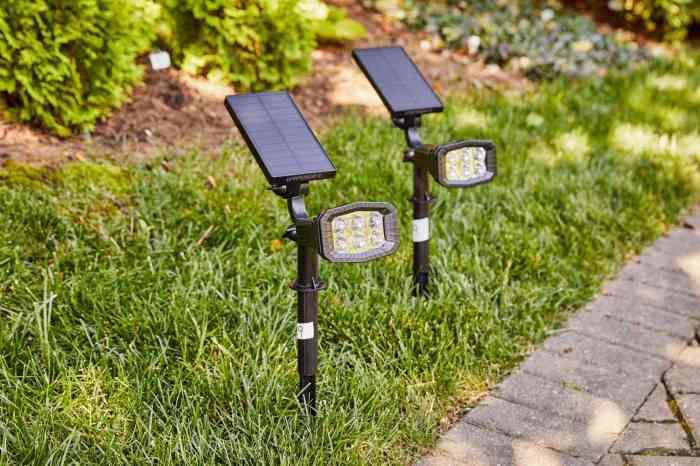
Source: people.com
Getting your solar outdoor lights up and running is easier than you might think! This section covers installation for various types, best practices for maintenance, and troubleshooting common issues. Following these steps will ensure your lights shine brightly for years to come.
Successful installation depends heavily on proper placement to maximize sunlight exposure. Wiring, if required, should be done carefully and safely. Regular maintenance will prevent problems and extend the life of your lights.
Installing Different Types of Solar Outdoor Lights
Installation varies slightly depending on the light type. For example, stake lights simply push into the ground, while wall-mounted lights require screws and potentially some basic electrical knowledge. Path lights often come in sets and are spaced evenly along a walkway. Always consult the manufacturer’s instructions included with your specific lights.
Here’s a general guide:
- Choose a location: Select a spot with maximum sunlight exposure throughout the day. Avoid obstructions like trees or buildings that could cast shadows.
- Prepare the area: Clear any debris or vegetation from the chosen location. For ground-mounted lights, ensure the ground is level and firm.
- Install the lights: Follow the manufacturer’s instructions carefully. This might involve inserting stakes, mounting brackets to walls, or connecting multiple lights.
- Charge the lights: Before using the lights for the first time, allow them to fully charge in direct sunlight for several hours. This initial charge is crucial for optimal performance.
- Test the lights: Once charged, switch the lights on to ensure they are functioning correctly.
Maintaining Solar Outdoor Lights for Optimal Performance
Regular maintenance is key to keeping your solar lights functioning efficiently and extending their lifespan. Neglecting maintenance can lead to reduced brightness, shorter runtimes, and even premature failure.
The following tasks should be performed at the intervals suggested:
- Clean the solar panels: Clean the solar panels with a soft cloth and mild soapy water every 1-2 months, or more frequently if they become heavily soiled. This will remove dirt and debris that can reduce charging efficiency. Avoid harsh chemicals or abrasive cleaners.
- Check the battery: Inspect the battery (if accessible) annually for any signs of damage or corrosion. Replace the battery if necessary according to the manufacturer’s recommendations.
- Inspect wiring and connections: Examine the wiring and connections for any signs of damage or loose connections, particularly after storms or harsh weather. Repair or replace damaged components as needed.
- Test the lights regularly: Test the lights regularly, especially during the shorter days of winter, to ensure they are still charging and functioning correctly. This will help you identify any problems early on.
Troubleshooting Common Problems
Even with proper installation and maintenance, you might encounter issues with your solar lights. Understanding common problems and their solutions can save you time and frustration.
Here are some typical problems and solutions:
- Insufficient charging: This is often caused by insufficient sunlight exposure, dirty solar panels, or a faulty battery. Clean the panels, ensure proper sunlight exposure, and check the battery for damage.
- Malfunctioning lights: If the lights are not turning on, check the switch, ensure the battery is charged, and inspect the wiring for any damage. Consider replacing the battery or the light fixture itself if necessary.
- Dim light output: This could indicate a low battery charge, dirty solar panels, or aging components. Clean the panels, check the battery charge, and consider replacing the battery or light if the problem persists.
Power and Performance
Understanding the power and performance of your solar-powered outdoor lights is crucial for maximizing their effectiveness and lifespan. Factors like battery capacity, sunlight exposure, and weather conditions all play a significant role in how long and brightly your lights will shine. Let’s explore these factors in detail.
The performance of a solar-powered outdoor light is directly tied to its ability to collect and store solar energy. This process is influenced by several key factors, including the size and efficiency of the solar panel, the capacity of the battery, and the environmental conditions. A larger solar panel and a higher-capacity battery will generally result in longer operational times, especially during periods of less sunlight. However, even the best-equipped lights can suffer reduced performance under adverse weather conditions.
Battery Capacity and Sunlight Conditions
The relationship between battery capacity and sunlight conditions significantly impacts the performance of solar lights. Larger battery capacities allow for longer operation times, even on cloudy days or during shorter periods of sunlight. Conversely, smaller batteries may only provide sufficient power for a few hours on a clear day and even less on cloudy days. The following table illustrates this relationship:
| Battery Capacity (mAh) | Full Sun (Hours of Operation) | Partly Cloudy (Hours of Operation) | Overcast (Hours of Operation) |
|---|---|---|---|
| 1000 mAh | 8-10 | 5-7 | 2-4 |
| 2000 mAh | 16-20 | 10-14 | 4-8 |
| 3000 mAh | 24-30 | 15-21 | 6-12 |
Note: These are estimates and actual performance may vary depending on the specific light model, solar panel efficiency, and other environmental factors.
Weather Conditions and Solar Light Performance
Weather significantly impacts both charging and operational time. Cloud cover reduces the amount of sunlight reaching the solar panel, directly affecting charging efficiency. Heavy rain or snow can further obstruct sunlight and may even damage the solar panel if not properly protected. Consequently, expect shorter operational times during periods of inclement weather. For example, a light that operates for 8 hours on a clear day might only operate for 3-4 hours on an overcast day. Prolonged periods of cloudy or rainy weather may require supplementing with other light sources.
Solar Panel Location and Efficiency
The placement of the solar panel is critical for optimal performance. The panel should be positioned to receive maximum direct sunlight throughout the day. This means avoiding shaded areas, such as under trees or overhanging eaves. The angle of the panel also matters; ideally, it should be angled to face the sun directly, especially during peak sunlight hours. A poorly positioned solar panel will result in insufficient charging, leading to reduced operational times. For example, a panel angled away from the sun will receive less light, potentially reducing its charging efficiency by 50% or more compared to an optimally positioned panel.
Aesthetic Considerations and Design
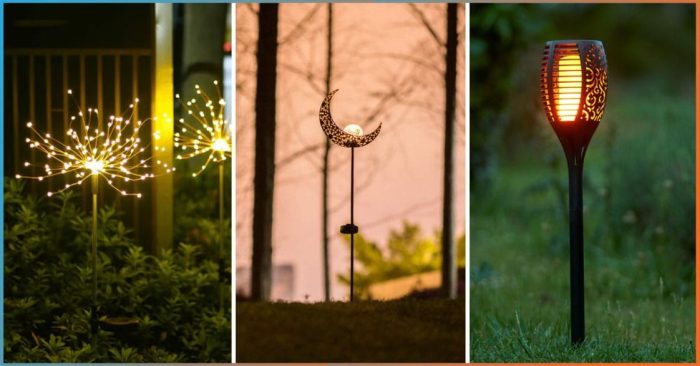
Source: inspireuplift.com
Choosing solar outdoor lights isn’t just about functionality; it’s about enhancing your outdoor space’s aesthetic appeal. The right lights can dramatically transform the look and feel of your garden, patio, or driveway, creating a welcoming and stylish atmosphere. Consider your existing landscaping and architectural style to ensure a cohesive and visually pleasing outcome.
The design options for solar outdoor lights are incredibly diverse, offering a wide range of styles, materials, colors, and shapes to suit any taste and setting. From sleek and modern designs to classic and traditional styles, you’ll find a perfect match for your home’s personality.
Design Styles and Materials
Solar outdoor lights come in a variety of styles to complement different architectural and landscaping designs. Materials significantly influence the overall aesthetic. For instance, wrought iron lights evoke a rustic charm, perfectly suited for cottages or gardens with a vintage feel. Imagine a pathway lined with elegant, black wrought iron lanterns, casting a warm, inviting glow. In contrast, sleek, minimalist stainless steel lights create a contemporary feel, ideal for modern homes with clean lines and a sophisticated look. Picture a row of slender, stainless steel bollard lights illuminating a modern driveway. Finally, the natural warmth of wood, often used in combination with other materials, can create a more organic and welcoming ambiance, fitting seamlessly into a nature-inspired garden setting. Envision charming, wooden-framed solar lights hanging from trees, casting dappled light onto a garden path.
Design Elements Contributing to Aesthetic Appeal
The overall aesthetic appeal of solar outdoor lights is a result of several key design elements working together.
- Shape and Size: The shape and size of the light fixture directly impact its visual impact. Consider the scale of the fixture relative to its surroundings. A large, ornate lantern might be perfect for a grand entrance, while smaller, more subtle lights might be better suited for a delicate garden setting.
- Color and Finish: The color and finish of the light fixture significantly influence its aesthetic. Black or dark bronze finishes tend to create a more formal look, while lighter colors, such as white or beige, can appear more casual and welcoming. Consider how the color complements your home’s exterior and landscaping.
- Light Output and Color Temperature: The type of light emitted (warm white, cool white, etc.) significantly impacts the overall mood. Warm white light creates a cozy and inviting atmosphere, while cool white light offers a brighter, more modern feel.
- Material and Texture: The material used (metal, wood, glass, plastic) and its texture (smooth, rough, etc.) affect the overall aesthetic. Natural materials, like wood or stone, tend to create a more organic and rustic look, while sleek metal finishes contribute to a modern feel.
- Mounting Style: The way the light is mounted (ground-mounted, wall-mounted, hanging, etc.) impacts how it integrates with the surroundings. Consider the existing features of your outdoor space and choose a mounting style that complements them.
Integrating Solar Lights into Different Landscaping and Architectural Styles
Solar lights can seamlessly integrate into various landscaping and architectural styles, enhancing their overall visual appeal.
- Traditional Landscaping: In a traditional garden with established flowerbeds and winding pathways, wrought iron or copper solar lanterns can create a charming and nostalgic atmosphere. The warm glow of the lights enhances the beauty of the flowers and plants, creating a welcoming and inviting space. Imagine the soft glow highlighting the delicate blooms of a rose garden.
- Modern Landscaping: For modern landscaping designs with clean lines and minimalist features, sleek, stainless steel or glass solar lights are ideal. These lights provide subtle illumination without overpowering the landscape’s clean aesthetic. Picture minimalist, low-profile lights embedded along a modern walkway, highlighting the architectural lines of the home.
- Mediterranean Style: In a Mediterranean-style setting, terracotta or stone solar lights can complement the warm, earthy tones of the architecture and landscaping. These lights can create a sense of relaxed elegance, enhancing the overall ambiance. Imagine the warm glow of terracotta lights illuminating a patio overlooking a Mediterranean garden.
Safety and Security
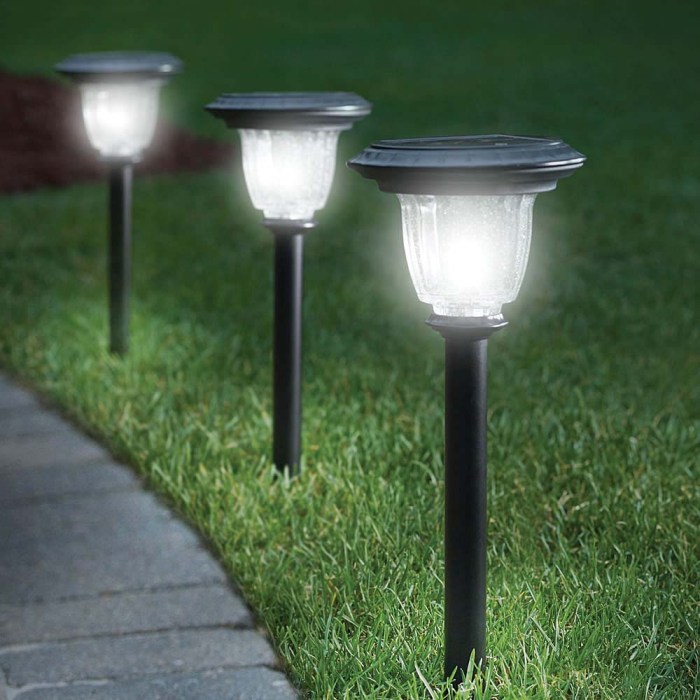
Source: mhlandscapes.com
Solar-powered outdoor lights offer a convenient and eco-friendly way to illuminate your property, but it’s crucial to understand the potential safety hazards associated with their installation and use to ensure a secure and hazard-free environment. Proper installation and maintenance are key to maximizing their benefits while minimizing risks. These lights can also play a significant role in enhancing your home security.
Solar outdoor lights, when strategically placed, act as a deterrent to potential intruders. The increased visibility they provide makes it harder for criminals to operate undetected, significantly reducing the risk of break-ins and other crimes. This is especially true in areas with limited ambient lighting. However, it’s important to remember that solar lights are a supplementary security measure, not a replacement for a comprehensive security system.
Potential Safety Hazards
Several safety concerns need to be addressed when installing and using solar outdoor lights. Improper installation can lead to electrical shocks or damage to the lights themselves. Exposure to the elements can also cause degradation and potential hazards over time. Additionally, the type of mounting and the location of the lights are crucial factors affecting safety.
- Electrical Shock: Incorrect wiring or damaged components can expose users to electrical shock. Always ensure the lights are properly installed and regularly inspected for damage.
- Falling Hazards: Poorly secured lights, especially those mounted high, can fall and cause injury. Use appropriate mounting hardware and ensure the lights are securely fastened.
- Fire Hazards: Damaged solar panels or wiring can overheat and potentially start a fire. Regular inspection and prompt replacement of damaged components are crucial.
- Trip Hazards: Improperly placed or poorly maintained wires can create tripping hazards, particularly in walkways and pathways.
Enhancing Home Security with Solar Lights
Strategically placed solar lights significantly enhance home security. They illuminate potential entry points, making it more difficult for intruders to approach undetected. The sudden illumination triggered by motion sensors can startle potential intruders and deter them from entering.
- Increased Visibility: Well-lit areas deter criminals who prefer to operate in darkness. Solar lights illuminate pathways, driveways, and other vulnerable areas, making it easier to identify potential threats.
- Motion Sensors: Motion-activated solar lights provide an extra layer of security. The sudden illumination triggered by movement can startle intruders and alert homeowners to their presence.
- Psychological Deterrent: The mere presence of well-lit areas can deter potential criminals. They are less likely to target properties that are well-illuminated and visible.
Safety Precautions for Installation and Maintenance
Following these safety precautions ensures the safe installation and ongoing operation of your solar outdoor lights. Regular maintenance minimizes the risk of hazards and extends the lifespan of your lights.
- Always disconnect power: Before any maintenance or repair, disconnect the solar panel from the light fixture to prevent electrical shocks.
- Use appropriate tools: Employ the correct tools for installation, avoiding improvised solutions that might compromise safety.
- Inspect regularly: Regularly inspect the lights for damage to wiring, panels, or mounting hardware. Replace damaged components immediately.
- Follow manufacturer instructions: Adhere to the manufacturer’s instructions for installation, maintenance, and safety precautions.
- Grounding: Ensure proper grounding to prevent electrical hazards. This is particularly important in areas with the potential for lightning strikes.
Cost and Value
Choosing the right outdoor lighting can significantly impact your budget and long-term savings. Solar-powered options present a compelling alternative to traditional electricity-dependent systems, offering both upfront cost considerations and substantial long-term benefits. Let’s break down the financial aspects to help you make an informed decision.
Solar outdoor lights have an initial cost that varies depending on several factors. While they might seem more expensive upfront compared to some traditional options, the long-term savings often outweigh this initial investment.
Initial Costs of Solar Outdoor Lights
The purchase price of solar outdoor lights depends heavily on several key factors. The number of lights needed for your project significantly influences the overall expense. More lights naturally mean a higher initial investment. The type of light also matters; sophisticated designs with advanced features, like motion sensors or multiple brightness settings, typically command higher prices than simpler models. The quality and durability of materials used in construction also affect cost. High-quality, weather-resistant materials tend to be more expensive but offer longer lifespans. Finally, the brand reputation plays a role. Established brands with a proven track record often charge a premium reflecting their quality assurance and customer service. For example, a single high-end solar pathway light with integrated motion detection might cost upwards of $50, while a basic solar stake light could be purchased for under $15.
Long-Term Running Costs of Solar Outdoor Lights vs. Traditional Lighting
Traditional outdoor lighting, using electricity from the grid, incurs ongoing energy costs. These costs accumulate over time, representing a continuous expense. Solar lights, however, eliminate these ongoing electricity bills. While the initial investment is higher, the absence of monthly electricity charges represents a substantial long-term cost saving. The only potential ongoing cost with solar lights is the occasional replacement of batteries (depending on the model) or the replacement of the solar panel if it degrades significantly over time. However, these replacement costs are typically far less than the cumulative electricity bills associated with traditional lighting over the same period. Consider a scenario where a homeowner replaces five incandescent bulbs annually at $5 each, adding up to $25 per year. Over ten years, this amounts to $250. A comparable solar lighting system, even with an initial higher cost, would likely save money in the long run.
Long-Term Value Proposition of Solar Outdoor Lights
The long-term value of solar outdoor lights extends beyond mere financial savings. The environmental benefits are significant. By harnessing clean solar energy, these lights reduce your carbon footprint, contributing to a more sustainable lifestyle. This aligns with growing environmental consciousness and can even increase the value of your property in the long run, particularly for eco-conscious buyers. Furthermore, the low maintenance requirements of solar lights, requiring only occasional cleaning, contribute to their overall long-term value. Their durability, especially with quality models, ensures they serve you for many years, minimizing the need for frequent replacements, unlike traditional bulbs that require more frequent changes.
Outcome Summary
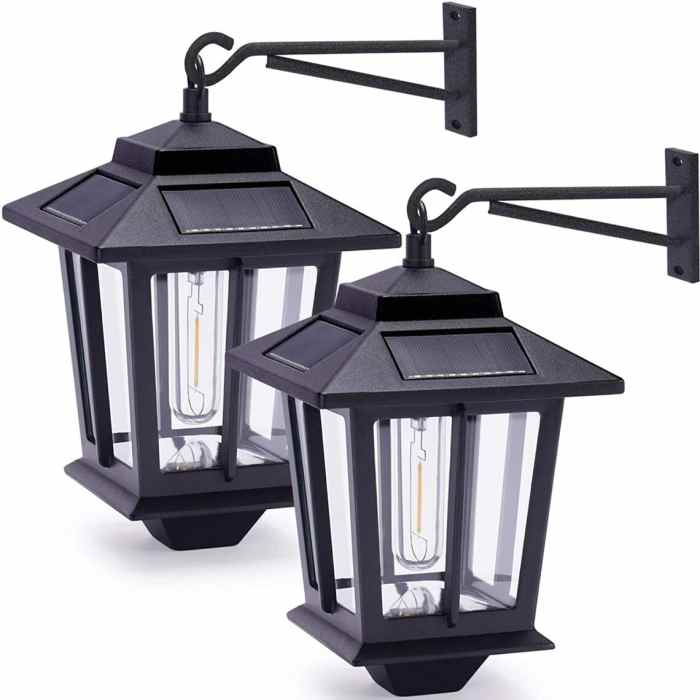
Source: putproductreviews.com
Choosing the best solar-powered outdoor lights involves careful consideration of several factors, from the type and features to the installation and maintenance. By understanding the different types available, their key specifications, and the impact of environmental factors on their performance, you can select lights that perfectly complement your home’s aesthetic and security needs while minimizing your environmental impact. Remember, a well-informed decision ensures years of beautiful, energy-efficient outdoor illumination. Now, go brighten up your nights!
FAQ Summary
How long do solar outdoor lights typically last?
The lifespan varies greatly depending on the quality of the components and the amount of sunlight they receive. High-quality lights can last 5-10 years or even longer.
Can solar outdoor lights work on cloudy days?
Yes, but their performance will be reduced. They may still provide some light, but the duration will be shorter than on sunny days. A good battery capacity helps mitigate this.
Do I need to replace the batteries in solar outdoor lights?
Most solar lights use rechargeable batteries that can be recharged by the solar panel. However, some batteries might need replacement after several years, depending on their quality and usage.
How do I clean my solar outdoor lights?
Regularly wipe the solar panels with a damp cloth to remove dust and debris, ensuring optimal charging. Avoid harsh chemicals.
Are solar outdoor lights safe for children and pets?
Generally, yes, but always choose lights with low voltage and durable construction. Supervise children around any outdoor lighting.
Comments are closed.