Mid Century Modern Outdoor Furniture A Style Guide

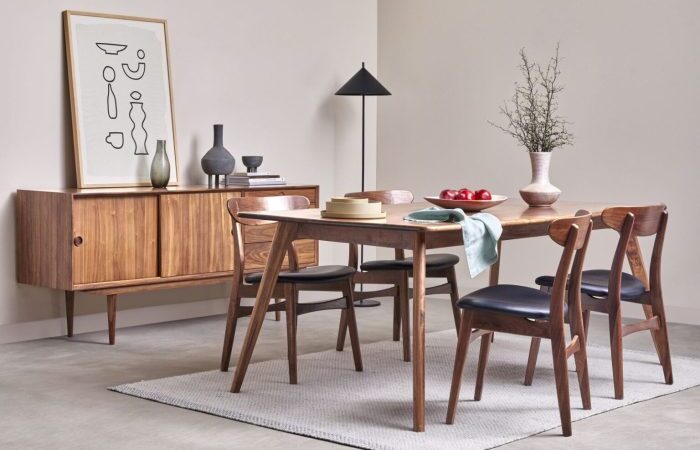
Mid century modern outdoor furniture evokes a sense of timeless elegance and relaxed sophistication. This style, characterized by clean lines, organic shapes, and a focus on functionality, seamlessly blends indoor comfort with the beauty of the outdoors. We’ll explore its defining characteristics, popular pieces, durable materials, and lasting influence on contemporary design, showcasing how this iconic style continues to shape outdoor living spaces today.
From iconic chairs and sleek sofas to stylish tables and complete sets, mid-century modern outdoor furniture offers a diverse range of options to suit various tastes and outdoor spaces. We will delve into the specific materials—like teak, aluminum, and wicker—highlighting their unique properties and maintenance requirements. Furthermore, we’ll examine how this enduring style continues to inspire contemporary designers, influencing the aesthetic and functionality of modern outdoor furniture collections.
Defining Mid-Century Modern Outdoor Furniture Style
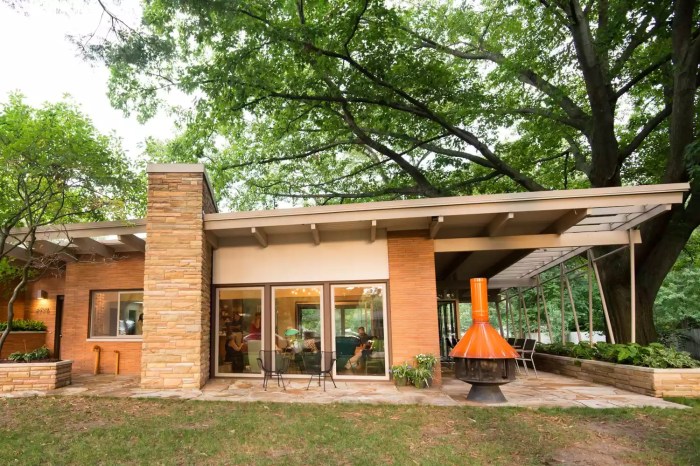
Source: thaiupdates.info
Mid-century modern outdoor furniture, flourishing primarily from the 1930s to the 1960s, represents a distinct aesthetic departure from previous design trends. It emphasizes clean lines, functionality, and a connection to nature, reflecting the optimism and technological advancements of the post-war era. This style prioritized comfort and practicality, seamlessly blending indoor elegance with outdoor durability.
Mid-century modern outdoor furniture design is characterized by its streamlined forms, often featuring organic curves and tapered legs. The focus is on simplicity and functionality, with pieces designed to be both aesthetically pleasing and comfortable for outdoor use. Materials are carefully chosen for their durability and weather resistance, reflecting a practical approach to design. A key aspect is the integration of the furniture with its natural surroundings, creating a harmonious relationship between the built and natural environments.
Iconic Mid-Century Modern Outdoor Furniture Pieces and Designers
Several iconic pieces exemplify the mid-century modern outdoor aesthetic. These designs often showcase innovative use of materials and a commitment to clean, functional forms. For example, the iconic “Barcelona Chair” by Mies van der Rohe, though primarily an indoor piece, inspired outdoor adaptations with similar clean lines and elegant simplicity. Many designers, while not explicitly focusing on outdoor furniture, created pieces readily adaptable to outdoor spaces due to their durable materials and simple, elegant designs. The use of teak wood in outdoor furniture, for instance, became very popular during this era, contributing to the longevity and weather-resistance of these pieces. Other notable examples, though not always exclusively outdoor designs, include pieces featuring woven wicker or aluminum frames, reflecting the era’s embrace of new materials and manufacturing techniques.
Comparison of Mid-Century Modern Outdoor Furniture with Other Styles
Mid-century modern outdoor furniture contrasts sharply with traditional styles, which often feature ornate details, elaborate carvings, and heavier materials. Traditional pieces often prioritize historical references and craftsmanship, resulting in a more formal and less streamlined aesthetic. In comparison, contemporary outdoor furniture often embraces minimalism and modern materials, sometimes diverging from the organic curves and warm tones of mid-century modern designs. While both mid-century modern and contemporary styles value functionality, contemporary designs may incorporate more experimental forms and materials, pushing the boundaries of traditional design principles. The difference lies in the overall feeling; mid-century modern evokes a sense of nostalgic elegance and understated sophistication, while contemporary designs can range from sleek and minimalist to boldly avant-garde.
Materials Commonly Used in Mid-Century Modern Outdoor Furniture
The durability and weather resistance of the materials used were paramount in mid-century modern outdoor furniture design. Teak wood, prized for its natural oils and resistance to rot and decay, was a favored material. Its rich, warm tones complemented the clean lines of the furniture. Aluminum, another popular choice, offered lightweight yet sturdy frames, often powder-coated for added protection against the elements. Wicker, particularly when made from durable materials like rattan or synthetic fibers, provided a comfortable and visually appealing option, especially for seating. These materials, combined with carefully considered design, ensured the longevity and enduring appeal of mid-century modern outdoor furniture.
Popular Mid-Century Modern Outdoor Furniture Pieces
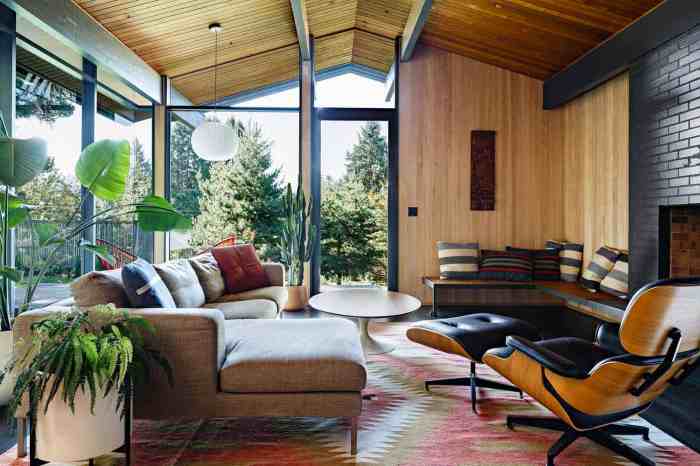
Source: decoist.com
Mid-century modern outdoor furniture enjoys enduring popularity due to its clean lines, functional designs, and timeless aesthetic. Pieces from this era often blend seamlessly with various architectural styles, making them a versatile choice for patios, decks, and gardens. This section will explore some of the most popular types of mid-century modern outdoor furniture, detailing their characteristic features and functionalities.
The enduring appeal of mid-century modern outdoor furniture lies in its ability to effortlessly combine style and practicality. These pieces, often crafted from durable materials designed to withstand the elements, provide both comfort and visual interest. Their simple yet elegant forms remain relevant decades after their initial design, making them a valuable investment for any outdoor space.
Popular Mid-Century Modern Outdoor Furniture Types
Mid-century modern outdoor furniture encompasses a range of pieces, each designed with specific functions in mind. Popular types include chairs, sofas, tables, and lounge chairs, all characterized by their streamlined silhouettes and emphasis on functionality. Let’s delve into the typical features of each.
Chairs: Often featuring tapered legs, simple silhouettes, and comfortable seating, mid-century modern outdoor chairs are designed for both relaxation and casual dining. Materials range from teak and aluminum to wicker and woven materials. Many feature clean lines and a sense of understated elegance.
Sofas: Mid-century modern outdoor sofas typically maintain the same sleek aesthetic as their indoor counterparts, often with low-slung frames and comfortable cushions. Materials are chosen for durability and weather resistance, such as weather-treated teak or powder-coated aluminum.
Tables: Coffee tables, dining tables, and side tables all feature clean lines and simple forms. Materials commonly used include teak, aluminum, and glass, often in combination to create a visually appealing and functional piece. Many designs incorporate simple geometric shapes.
Lounge Chairs: These chairs often prioritize comfort and relaxation, frequently incorporating curved forms and plush cushions. While maintaining the clean lines characteristic of the style, lounge chairs offer a more relaxed and inviting seating experience. Materials can include wicker, aluminum, or teak, often combined with durable fabrics.
Comparison of Three Popular Mid-Century Modern Outdoor Chairs
The following table compares the dimensions, materials, and styles of three popular mid-century modern outdoor chairs. Note that dimensions can vary slightly depending on the manufacturer and specific model.
| Chair Model | Dimensions (approx.) | Materials | Style |
|---|---|---|---|
| Example Chair A | W 24″ x D 26″ x H 32″ | Teak wood, canvas | Sleek, minimalist |
| Example Chair B | W 22″ x D 24″ x H 30″ | Aluminum, woven vinyl | Modern, geometric |
| Example Chair C | W 26″ x D 28″ x H 34″ | Wicker, polyester cushions | Relaxed, organic |
Iconic Mid-Century Modern Outdoor Furniture Sets
Several iconic furniture sets embody the mid-century modern aesthetic for outdoor spaces. These sets often showcase the era’s characteristic design elements, combining functionality with timeless style.
Here are five examples, each with unique design elements:
- Set A: This set might feature a teak wood dining table with clean lines and tapered legs, accompanied by matching chairs with woven seats and backs. The simplicity of the design emphasizes the natural beauty of the wood.
- Set B: This set could include an aluminum frame sofa and armchairs with brightly colored cushions, reflecting the playful use of color prevalent in mid-century design. The lightweight aluminum makes the set easy to move and maintain.
- Set C: A wicker conversation set might include a low-slung sofa and armchairs, emphasizing comfort and relaxation. The natural texture of the wicker adds warmth and visual interest.
- Set D: This set could consist of a steel frame lounge chair and ottoman, showcasing the use of industrial materials in a refined and stylish manner. The clean lines and geometric shapes are characteristic of the era.
- Set E: A teak wood chaise lounge with a simple, elegant design could be paired with a small side table. The natural beauty of the teak and the comfortable recline of the chaise lounge create a relaxing outdoor oasis.
Materials and Durability in Mid-Century Modern Outdoor Furniture
Mid-century modern outdoor furniture is renowned for its clean lines and timeless appeal, but its longevity depends heavily on the materials used. Understanding the properties of these materials is key to making informed purchasing decisions and ensuring your furniture remains a stylish and functional part of your outdoor space for years to come. This section will explore the advantages and disadvantages of common materials, as well as provide guidance on maintenance and protection.
Teak Wood in Outdoor Furniture
Teak wood, a tropical hardwood, has long been a favorite for outdoor furniture due to its natural resistance to rot, decay, and insect infestation. Its high oil and silica content make it exceptionally durable and weather-resistant. However, teak is a relatively expensive material, and while naturally durable, it still requires some level of maintenance to preserve its beauty and extend its lifespan. Untreated teak will weather to a silvery-grey patina over time, a characteristic many find aesthetically pleasing. However, if you prefer to maintain the original golden brown hue, regular oiling is recommended. Leaving teak untreated can also make it more susceptible to weathering and cracking in harsh climates.
Aluminum and Wrought Iron Durability Comparison
Aluminum and wrought iron represent contrasting approaches to outdoor furniture construction. Aluminum is lightweight, rust-proof, and relatively inexpensive. Its lightness makes it easy to move and rearrange, a significant advantage for smaller patios or decks. However, aluminum can be susceptible to dents and scratches, and less substantial pieces might not hold up to extreme weather conditions as well as other materials. Wrought iron, on the other hand, is incredibly strong and durable, offering excellent resistance to damage. Its weight, while a disadvantage in terms of maneuverability, contributes to its stability and longevity. However, wrought iron requires regular maintenance to prevent rust, usually involving painting or powder coating. If left unmaintained, wrought iron can rust and deteriorate significantly, requiring costly repairs or replacement.
Maintenance and Care for Different Materials
Regular cleaning is crucial for all outdoor furniture materials. For teak, a gentle cleaning with soap and water, followed by oiling every few months (depending on climate and exposure), will help preserve its rich color and prevent cracking. Aluminum furniture can be cleaned with mild soap and water, and a protective sealant can be applied to further enhance its resistance to scratches. Wrought iron requires more diligent care. Regularly inspect for signs of rust and touch up any damaged areas with paint or sealant. Depending on the finish, you might need to repaint or recoat every few years.
Protecting Mid-Century Modern Outdoor Furniture from Weather Damage
Protecting your investment involves a multi-pronged approach. Firstly, proper placement is crucial. Avoid direct, prolonged exposure to sunlight, which can fade colors and dry out wood. Consider using umbrellas or awnings for shaded areas. Secondly, use protective covers during periods of inclement weather, such as heavy rain, snow, or extreme temperature fluctuations. Choose covers specifically designed for outdoor furniture, ensuring they are breathable to prevent mildew and moisture buildup. Finally, regular cleaning and maintenance, as detailed above, are vital in preventing deterioration and extending the lifespan of your mid-century modern outdoor furniture. By following these guidelines, you can ensure your furniture remains a stylish and functional addition to your outdoor space for many years to come.
The Influence of Mid-Century Modern Design on Contemporary Outdoor Furniture
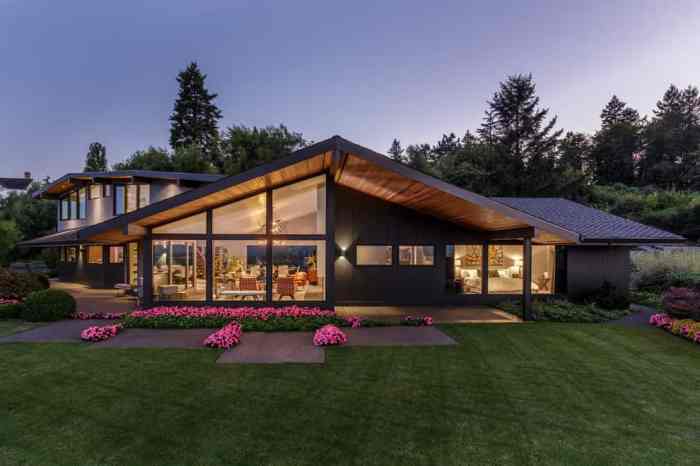
Source: architectureartdesigns.com
Mid-century modern design, with its clean lines, organic forms, and emphasis on functionality, continues to exert a powerful influence on contemporary outdoor furniture. Its enduring appeal stems from a timeless aesthetic that effortlessly blends indoor sophistication with outdoor practicality, creating spaces that are both stylish and comfortable. This influence is evident in numerous ways, from the materials used to the overall design philosophy.
The enduring popularity of mid-century modern aesthetics in contemporary outdoor furniture is a testament to its timeless design principles. The clean lines, simple silhouettes, and emphasis on functionality resonate even today, proving that good design transcends fleeting trends. Modern designers frequently draw inspiration from iconic pieces of the era, adapting and reinterpreting them for modern materials and lifestyles.
Mid-Century Modern Elements in Contemporary Outdoor Furniture
Several key elements of mid-century modern design are frequently incorporated into contemporary outdoor furniture collections. These elements contribute to the overall aesthetic and functionality of the pieces. The integration is often subtle, seamlessly blending the vintage inspiration with modern manufacturing techniques and materials.
- Organic Forms: Curved lines and flowing silhouettes, reminiscent of the organic forms favored by mid-century designers, are often seen in contemporary outdoor seating, such as armchairs and sofas. Think of gently sloping backrests and rounded edges, echoing the natural world.
- Tapered Legs: The signature tapered legs, often seen in mid-century modern furniture, continue to appear in contemporary designs, lending a sense of lightness and elegance to outdoor tables and chairs. This detail contributes significantly to the overall aesthetic appeal.
- Simple Silhouettes: Clean lines and uncluttered designs remain a hallmark of both mid-century and contemporary outdoor furniture. The focus is on functional forms, free from excessive ornamentation.
- Material Choices: While materials have evolved, the preference for natural and durable materials, such as teak, aluminum, and wicker, continues to reflect the mid-century modern emphasis on sustainability and quality. Modern iterations may incorporate weather-resistant synthetic materials that mimic the look and feel of their predecessors.
Aesthetic Differences and Similarities Between Mid-Century Modern and Contemporary Outdoor Furniture
While contemporary outdoor furniture draws heavily from mid-century modern design, there are subtle yet significant differences. The similarities lie in the core design principles, while the differences reflect advancements in materials and manufacturing techniques.
| Feature | Mid-Century Modern | Contemporary |
|---|---|---|
| Materials | Teak, aluminum, wicker, wrought iron | Aluminum, steel, recycled plastic, high-performance fabrics, sustainably sourced wood |
| Manufacturing | Often handcrafted or with limited production runs | Mass production with advanced techniques, often incorporating technology |
| Color Palette | Natural wood tones, muted pastels, bold primary colors | Wider range of colors, including natural tones, metallics, and bolder, more saturated hues |
| Style | Clean lines, organic forms, functionality | Clean lines, often incorporating organic forms, functionality with an emphasis on comfort and technology |
Incorporating Mid-Century Modern Elements into Modern Outdoor Spaces, Mid century modern outdoor furniture
Designers today skillfully blend mid-century modern elements into contemporary outdoor spaces, creating harmonious and stylish environments. This involves careful selection of furniture, accessories, and landscaping to achieve a cohesive look.
“The key is to create a balance between vintage inspiration and modern functionality, using carefully selected pieces that speak to both eras.”
For example, a contemporary patio might feature a set of teak armchairs with tapered legs, reminiscent of mid-century designs, paired with a modern concrete coffee table and colorful cushions. The addition of potted plants and strategically placed outdoor lighting enhances the overall aesthetic, creating a space that is both inviting and sophisticated. The use of natural materials like stone or wood in the patio’s construction further complements the mid-century modern aesthetic.
Illustrative Examples of Mid-Century Modern Outdoor Furniture in Different Settings
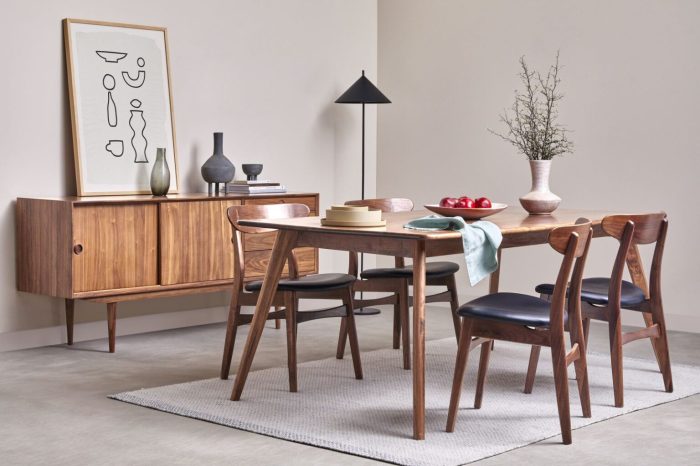
Source: com.mx
Mid-century modern outdoor furniture, with its clean lines and organic forms, effortlessly enhances various outdoor spaces. The versatility of its design allows it to complement both minimalist and more natural settings, creating a unique ambiance in each. Let’s explore some examples.
Mid-Century Modern Dining Set in a Minimalist Garden
Imagine a sleek, teak wood dining set – a rectangular table with subtly tapered legs and six matching chairs – positioned in a minimalist garden. The garden itself features simple, geometrically shaped flowerbeds filled with vibrant, low-growing plants. The clean lines of the furniture echo the garden’s design, creating a cohesive and sophisticated aesthetic. The natural wood tones of the set contrast beautifully against the muted colors of the planting, creating a visual focal point without overwhelming the space. The overall effect is one of understated elegance and calm. The absence of clutter allows the furniture’s inherent beauty to shine.
Mid-Century Modern Lounge Chair on a Natural Patio
A low-slung, woven wicker lounge chair with a curved back and comfortable cushions rests on a patio nestled amongst mature trees and flowering shrubs. The natural textures of the wicker complement the surrounding landscape, while the chair’s organic form feels at home amongst the plants. The chair’s simple elegance doesn’t compete with the natural beauty of its surroundings; instead, it enhances it. Perhaps a small side table made of the same wicker sits nearby, holding a glass of iced tea and a book. The overall feeling is one of peaceful relaxation, a comfortable retreat within nature.
A Mid-Century Modern Outdoor Space: Ambiance and Design
Picture a sun-drenched patio. A low, concrete-block wall, painted a warm, earthy tone, provides a backdrop for a grouping of mid-century modern furniture. A pair of aluminum lounge chairs with brightly colored cushions face a low coffee table made of teak. A larger, similarly styled sofa sits nearby, inviting conversation and relaxation. Potted plants in simple ceramic containers are strategically placed, adding pops of color and texture without overwhelming the space. The overall ambiance is one of casual sophistication and relaxed comfort. The furniture’s clean lines and functional design create a sense of order and tranquility, while the vibrant colors of the cushions add a touch of playful energy. The natural materials used in the furniture, such as teak and aluminum, blend seamlessly with the surrounding environment.
A Family’s Use of Mid-Century Modern Outdoor Furniture
The Miller family’s patio was their summer sanctuary. Their mid-century modern outdoor furniture played a central role. On warm evenings, the family would gather around their teak dining set for dinner, the gentle glow of string lights overhead casting a warm ambiance. After dinner, the children would sprawl on the woven wicker sofa, giggling as they played board games on the low coffee table. Mr. Miller would often relax in his aluminum lounge chair, reading a book and enjoying the quiet of the evening. On weekends, friends and family would join them, filling the patio with laughter and conversation. The furniture, with its durability and comfortable design, effortlessly accommodated their various needs, from intimate family gatherings to larger social events. The furniture wasn’t just furniture; it was the foundation of their summer memories.
Ending Remarks: Mid Century Modern Outdoor Furniture
Mid-century modern outdoor furniture represents more than just a design aesthetic; it’s a statement of enduring style and functional beauty. Its clean lines, durable materials, and emphasis on comfort create inviting outdoor spaces that seamlessly blend style and practicality. By understanding the key characteristics, popular pieces, and maintenance considerations, you can create an outdoor oasis that reflects your personal style and stands the test of time. Whether you’re seeking a single statement piece or a complete furniture set, the enduring appeal of mid-century modern design ensures a lasting investment in your outdoor living experience.
FAQ
How do I clean mid-century modern outdoor furniture?
Cleaning methods vary depending on the material. Teak often benefits from a mild soap and water solution, while aluminum may require a specialized cleaner. Always refer to the manufacturer’s recommendations for specific cleaning instructions.
Where can I find authentic mid-century modern outdoor furniture?
You can find authentic pieces at antique shops, vintage furniture stores, online marketplaces (like eBay or Etsy), and specialized design showrooms. Be prepared to pay a premium for genuine vintage items.
How can I protect my furniture from fading?
Regularly applying a UV-resistant sealant or cover will help protect your furniture from sun damage and fading. Storing furniture indoors during extended periods of harsh weather is also highly recommended.
Are reproductions of mid-century modern furniture a good option?
Reproductions offer a more affordable way to achieve the look. However, be sure to research the manufacturer to ensure quality materials and construction. Look for pieces that closely adhere to the original designs.
What are the current trends in mid-century modern outdoor furniture?
Current trends incorporate more sustainable materials, updated color palettes (including bolder hues), and a continued emphasis on clean lines and organic shapes, while maintaining the core principles of the original style.
Comments are closed.