Patio Cover Ideas Designs, Materials & More

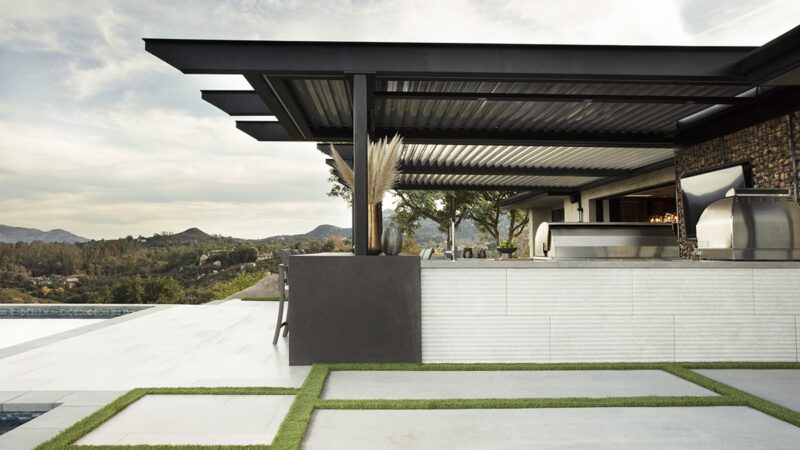
Patio cover ideas transform outdoor spaces, offering shade, protection, and style. This guide explores various patio cover materials like wood, metal, fabric, and polycarbonate, comparing their durability, maintenance, and aesthetics. We’ll delve into design considerations, including climate impact, sunlight management, and enhancing features like lighting and ventilation. Whether you’re a DIY enthusiast or prefer professional installation, we’ll cover the process, costs, and potential challenges. Finally, we’ll explore ways to enhance your patio cover’s design with lighting, landscaping, and color schemes, and provide a maintenance schedule to ensure its longevity.
From simple structures to elaborate designs, the possibilities are vast. Understanding the different materials, their pros and cons, and the design elements that best suit your needs and climate will help you create the perfect outdoor oasis. We’ll guide you through the decision-making process, offering practical advice and visual inspiration to bring your patio cover vision to life.
Types of Patio Covers
Choosing the right patio cover can significantly enhance your outdoor living space, providing shade, protection from the elements, and added aesthetic appeal. The ideal material and style will depend on your budget, climate, and personal preferences. This section explores various patio cover types, highlighting their strengths and weaknesses.
Patio Cover Materials
Selecting the appropriate material is crucial for both the longevity and the look of your patio cover. Different materials offer unique advantages and disadvantages in terms of durability, maintenance, and aesthetic appeal.
| Material | Style | Pros | Cons |
|---|---|---|---|
| Wood | Various styles possible, from rustic to elegant; can be customized extensively. | Natural beauty, excellent insulation, can be stained or painted to match any style. | Requires regular maintenance (staining, sealing, potential rot or insect damage), higher initial cost, susceptible to weather damage if not properly maintained. |
| Metal (Aluminum, Steel) | Clean lines, modern or contemporary styles; often used for sleek, minimalist designs. | Durable, low maintenance, resistant to rot and insect damage, and relatively lightweight (aluminum). | Can be susceptible to rust (steel), can get hot in direct sunlight (aluminum and steel), and may require repainting over time. |
| Fabric (Canvas, Vinyl) | Retractable or fixed options; offer flexibility in shade control. | Affordable, lightweight, provides good shade and sun protection, and can be easily replaced. | Limited lifespan, requires periodic cleaning and potential replacement, less durable than wood or metal, susceptible to damage from strong winds or heavy rain. |
| Polycarbonate | Modern and sleek designs; often used for solid or semi-solid covers. | Durable, virtually unbreakable, has excellent UV protection, transmits some light, low maintenance. | Can be more expensive than other options, may scratch or become cloudy over time, and can become brittle in extreme cold. |
Patio Cover Design Examples
Let’s explore three distinct patio cover designs, showcasing the versatility of different materials.
Design 1: Rustic Wooden Gazebo
This design features a classic gazebo structure built from pressure-treated lumber. The roof is a multi-tiered design with shingles for weather protection. Thick, sturdy wooden posts support the structure, providing a strong and visually appealing frame. The natural wood grain is left exposed for a rustic aesthetic. Detailed carvings or decorative elements could be added for further customization.
Design 2: Modern Aluminum Pergola
This design utilizes sleek, powder-coated aluminum for a modern, minimalist aesthetic. The pergola features clean lines and a simple, geometric structure. The aluminum is chosen for its durability and low maintenance. A retractable fabric awning can be incorporated for added shade control and protection from rain. The overall design prioritizes functionality and contemporary appeal.
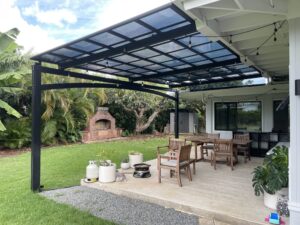
Design 3: Contemporary Polycarbonate Patio Cover
This design incorporates a polycarbonate roof panel system supported by a slender steel frame. The polycarbonate panels provide excellent UV protection and diffuse sunlight while maintaining a bright and airy feel. The steel frame is powder-coated for rust resistance and a clean, modern look. This design offers a balance between modern aesthetics and superior weather protection.
Design Considerations for Patio Covers
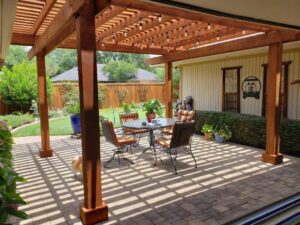
Choosing the right patio cover involves careful consideration of several factors to ensure both functionality and aesthetic appeal. A well-designed patio cover will not only protect you from the elements but also enhance your outdoor living space, increasing its usability and enjoyment. This section explores key design considerations to help you make informed decisions.
Climate and Weather Pattern Impact
Local climate and weather patterns significantly influence the choice of patio cover materials and design. Areas with intense sunlight require covers that offer superior shade and UV protection. Regions prone to heavy rainfall necessitate covers with robust drainage systems to prevent water accumulation and potential damage. High-wind areas demand sturdy structures capable of withstanding strong gusts. For example, a lightweight fabric canopy might be suitable for a region with mild weather and infrequent rainfall, while a solid, robust pergola would be a better choice for an area experiencing frequent storms and strong winds. Understanding your local climate is crucial for selecting a durable and long-lasting patio cover.
Material Performance in Varying Conditions
Different patio cover materials react differently to sunlight, wind, and rain. Aluminum, for instance, is lightweight, durable, and resists rust, making it suitable for various climates. However, it can heat up significantly under direct sunlight. Wood offers a natural aesthetic but requires regular maintenance to prevent rot and insect damage, particularly in humid or rainy climates. Fabric canopies provide excellent shade but may be susceptible to tearing or fading in strong winds or prolonged sun exposure. Pergolas, often constructed from wood or metal, provide a framework for climbing plants, offering shade and a natural aesthetic, but require additional protection from the elements such as a retractable awning.
Enhancing Functionality and Aesthetics
Several design elements significantly impact the functionality and aesthetic appeal of a patio cover. Integrated lighting can extend the usability of the patio into the evening hours, creating a warm and inviting ambiance. Adequate ventilation prevents heat buildup and ensures comfortable air circulation, especially in warmer climates. A well-designed drainage system prevents water from pooling on the cover and damaging the structure or surrounding areas. Consider the overall style of your home and landscaping when choosing the design of your patio cover to ensure a cohesive and visually pleasing outdoor space. A carefully selected color scheme and materials can further enhance the aesthetic appeal, blending seamlessly with the existing architectural style.
Design Features for Shade and Heat Minimization
Careful consideration of design features can significantly maximize shade and minimize heat absorption. The following features are particularly effective:
- Strategic Placement: Positioning the patio cover to maximize shade during peak sun hours. This might involve considering the sun’s path throughout the day.
- Overhang Design: A deep overhang or eave extending beyond the patio structure can significantly reduce direct sunlight exposure.
- Reflective Materials: Using light-colored or reflective materials for the cover reduces heat absorption. White or light-grey materials are excellent choices.
- Ventilation Systems: Incorporating vents or louvers allows for better air circulation, preventing heat buildup.
- Plant Integration: Training climbing plants to grow over a pergola or lattice structure provides natural shade and enhances the aesthetic appeal.
Building a Patio Cover
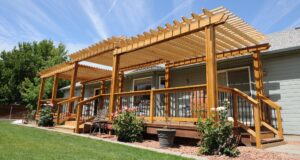
Building a patio cover can significantly enhance your outdoor living space, providing shade, protection from the elements, and increased curb appeal. Whether you choose a DIY approach or hire a professional, careful planning and execution are crucial for a successful project. This section will explore the process of building a simple wooden patio cover, compare DIY versus professional installation, and Artikel’s potential risks associated with DIY construction.
DIY Patio Cover Construction: A Step-by-Step Guide
Constructing a basic wooden patio cover involves several key steps. Remember to always prioritize safety and follow local building codes. This guide Artikels a simplified process; specific details will vary depending on your design and local regulations.
- Planning and Design: Determine the desired size and location of your patio cover. Sketch a detailed plan, including dimensions, materials list, and any necessary structural supports. Consider local building codes and permit requirements.
- Materials Acquisition: Purchase all necessary materials, including pressure-treated lumber for posts and beams, roofing material (e.g., polycarbonate panels, corrugated metal), fasteners (screws, nails, etc.), and concrete for post bases.
- Foundation Preparation: Dig holes for the support posts, ensuring they are deep enough and stable. Pour concrete into the holes, allowing it to set completely before proceeding.
- Post Installation: Erect the support posts, ensuring they are plumb and level. Securely attach them to the concrete bases.
- Beam and Rafter Installation: Attach the main beams to the posts, followed by the rafters, creating a sturdy framework. Ensure all connections are strong and secure.
- Roofing Installation: Install your chosen roofing material, following the manufacturer’s instructions. Ensure proper overlap and sealing to prevent leaks.
- Finishing Touches: Add any finishing touches, such as trim or fascia boards. Consider adding gutters to manage rainwater runoff.
Tools Required for DIY Patio Cover Construction
The tools needed for this project include a post-hole digger, level, measuring tape, saw (circular saw or hand saw), drill, screwdriver, hammer, safety glasses, and work gloves. Additional tools may be needed depending on the complexity of your design and chosen roofing material.
Cost-Effectiveness: DIY vs. Professional Installation
The cost-effectiveness of DIY versus professional installation depends on several factors, including the complexity of the project, your skill level, and the availability of tools and materials.
| Factor | DIY Installation | Professional Installation |
|---|---|---|
| Cost | Lower initial cost, potential for unexpected expenses due to mistakes. Example: A simple 10x10ft wooden cover might cost $500-$1500 in materials, but mistakes could add significantly more. | Higher initial cost, but often includes warranties and guarantees. Example: A similar professional installation could range from $2000-$5000 or more, depending on location and complexity. |
| Time Commitment | Significantly longer, depending on experience and project complexity. Example: A simple project might take a skilled DIYer a weekend, while a complex one could take several weeks. | Shorter overall time commitment. Example: Professionals can typically complete a simple patio cover within a few days. |
| Skill Level Required | Intermediate to advanced carpentry skills are necessary. Experience with power tools and structural building is essential. | Requires no prior experience. Professionals possess the necessary skills and expertise. |
Risks and Challenges of DIY Patio Cover Construction
Undertaking a DIY patio cover project presents several potential risks and challenges. These include:
- Structural Instability: Incorrect calculations or improper construction techniques can lead to a structurally unsound patio cover, posing safety risks.
- Injury: Working with power tools and heavy materials can result in serious injuries if safety precautions are not followed.
- Code Violations: Failure to comply with local building codes can result in fines or the need for costly modifications.
- Material Waste: Improper planning or inaccurate measurements can lead to significant material waste.
- Time Overruns: Unexpected problems or lack of experience can cause significant delays in project completion.
Enhancing Your Patio Cover Design
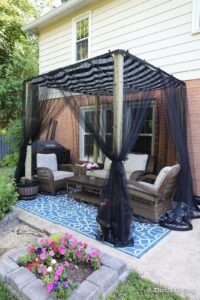
Transforming your patio cover from a simple structure into a stunning outdoor oasis involves thoughtful consideration of lighting, landscaping, and color palettes. By carefully integrating these elements, you can create a space that’s both functional and aesthetically pleasing, extending your enjoyment of the outdoors well into the evening hours.
Lighting Options for Patio Covers
Effective lighting dramatically impacts the ambiance and usability of your patio cover. The choice of lighting depends on your desired mood and the overall design style. Consider these options: String lights offer a charming, whimsical feel, perfect for casual gatherings. Recessed lighting provides a more subtle, integrated illumination, ideal for creating a sophisticated atmosphere. Spotlights can highlight specific features, such as plants or artwork, adding visual interest. For example, imagine warm-toned string lights draped across the beams of a wooden pergola, creating a cozy glow for evening meals. Alternatively, recessed LED lights embedded in the cover’s structure offer a sleek, modern aesthetic with even, bright illumination.
Integrating Plants and Landscaping
Landscaping around your patio cover extends its living space and enhances its visual appeal. Consider using climbing plants like ivy or jasmine to create a natural, verdant screen along the sides or across the roof. Potted plants of varying heights and textures add visual interest and can be easily rearranged. For a more cohesive design, choose plants that complement the color scheme and materials of your patio cover. For instance, a Mediterranean-style patio cover with terracotta tiles might feature bougainvillea and rosemary, while a modern cover with metal framing might showcase sleek, minimalist planters with succulents and grasses.
Color and Texture in Patio Cover Design, Patio cover ideas
The color and texture of your patio cover significantly impact its overall aesthetic. Consider using a neutral base color for the structure (like beige, gray, or white) to create a versatile backdrop that allows other elements to shine. Introduce pops of color through cushions, rugs, and plants. Mixing textures, such as wood beams with metal supports or stone paving with a woven rug, adds visual interest and depth. Remember that lighter colors tend to reflect light and create a feeling of spaciousness, while darker colors can provide a more intimate and cozy ambiance.
Visual Description of a Patio Cover Design
Imagine a patio cover crafted from rich, dark brown cedar beams, creating a warm and inviting atmosphere. Recessed LED lights embedded within the beams cast a soft, warm white glow across the space. Climbing jasmine, with its fragrant white blossoms, gracefully drapes over the sides of the cover, creating a natural, fragrant screen. Below, a large, intricately patterned Persian rug in muted blues and greens sits atop a cool grey stone patio. Terracotta pots filled with lush ferns and vibrant geraniums are strategically placed around the perimeter, adding pops of color and texture. The overall effect is a serene and inviting space, perfect for relaxing evenings or entertaining guests. The natural wood complements the cool stone and the warm lighting, creating a harmonious blend of textures and colors.
Maintaining Your Patio Cover: Patio Cover Ideas
Regular maintenance is crucial for extending the lifespan of your patio cover and ensuring its continued beauty and functionality. Neglecting maintenance can lead to costly repairs or premature replacement. This section Artikels a schedule and procedures for maintaining various patio cover materials.
Different materials require different maintenance approaches. Understanding your patio cover’s material is the first step to proper care. This includes understanding its vulnerabilities – for example, wood is susceptible to rot and insects, while metal can rust. Regular cleaning, inspections, and timely repairs are essential for preventing major problems and keeping your patio cover looking its best.
Regular Maintenance Tasks by Material
The following table details recommended maintenance tasks based on your patio cover’s material. Remember to always check manufacturer instructions for specific recommendations for your particular product.
| Material | Task | Frequency |
|---|---|---|
| Wood | Clean with mild soap and water; inspect for rot, cracks, or insect damage; apply wood sealant or stain | Monthly (cleaning); Annually (inspection and treatment) |
| Aluminum | Clean with mild soap and water; inspect for corrosion or loose fasteners; tighten loose screws or bolts | Quarterly (cleaning); Annually (inspection and tightening) |
| Vinyl | Clean with mild soap and water; inspect for cracks or damage; repair or replace damaged sections | Twice yearly (cleaning); Annually (inspection) |
| Fabric (Canopy) | Clean with appropriate fabric cleaner; inspect for tears or damage; replace damaged sections; treat for mildew or mold | Quarterly (cleaning); Annually (inspection and treatment) |
Preventing Common Problems
Proactive maintenance is key to preventing common issues. Addressing minor problems early can prevent them from escalating into major, costly repairs.
Rust Prevention
For metal patio covers, regular cleaning and the application of rust-preventative coatings are essential. If rust does appear, use a wire brush to remove loose rust, then apply a rust converter and a protective paint or sealant. This is particularly important in areas with high humidity or coastal locations.
Water Damage Prevention
Ensure proper drainage around your patio cover to prevent water accumulation. Regularly inspect the structure for leaks or signs of water damage, such as warping wood or discoloration. Promptly address any leaks to prevent further damage.
Pest Infestation Prevention
For wooden patio covers, regular inspection for signs of insect infestation is crucial. Look for wood borers, termites, or carpenter ants. If an infestation is found, contact a pest control professional for treatment. Regularly applying a wood preservative can help deter insects.
Extending Patio Cover Lifespan
Following a consistent maintenance schedule is the best way to prolong the life of your patio cover. Addressing minor issues promptly prevents them from becoming major problems. Additionally, consider protecting your patio cover from extreme weather conditions when possible, such as covering it during harsh storms or heavy snowfalls.
Closing Summary
Creating the ideal patio cover involves careful consideration of materials, design, and installation. This guide has provided a comprehensive overview of the key aspects, from choosing the right material and style to enhancing its design with lighting and landscaping. Whether you choose a DIY approach or hire a professional, remember that proper planning and maintenance are crucial for ensuring your patio cover provides years of enjoyment. By following the tips and advice provided, you can transform your outdoor space into a beautiful and functional extension of your home.
Essential FAQs
What is the average lifespan of a patio cover?
The lifespan varies greatly depending on the material and maintenance. Wood covers can last 15-20 years with proper care, while metal can last longer, potentially 25 years or more. Fabric covers generally have a shorter lifespan, requiring more frequent replacement.
How much does a patio cover typically cost?
Costs vary widely based on size, materials, and complexity. A simple DIY project might cost a few hundred dollars, while a custom-built professional installation can cost several thousand.
Do I need permits to build a patio cover?
Building codes and permit requirements vary by location. Check with your local authorities before starting construction to avoid potential fines or legal issues.
What are some common problems with patio covers?
Common problems include rust (metal covers), rot (wood covers), fabric fading, and water damage. Regular maintenance can help prevent these issues.
Can I install a patio cover myself?
Simple designs are feasible for DIYers with basic construction skills. However, more complex structures may require professional help to ensure safety and structural integrity.
Comments are closed.