Contemporary Outdoor Kitchens Design & Style

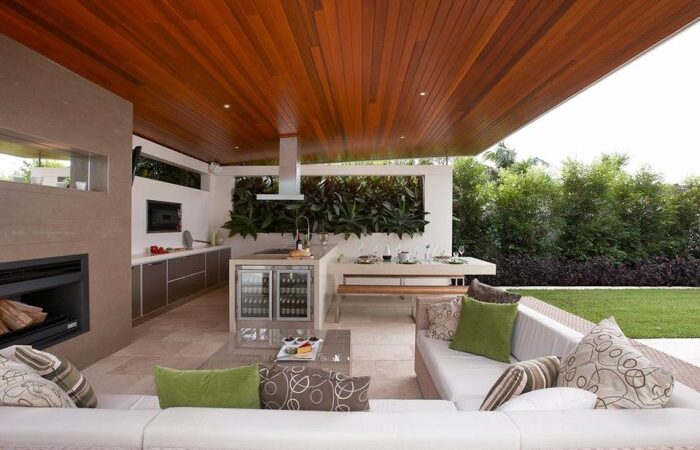
Contemporary outdoor kitchens are transforming backyard spaces into stylish and functional extensions of the home. These aren’t your grandpa’s rusty grills; we’re talking sleek designs, integrated smart technology, and high-end appliances that elevate outdoor cooking to an art form. Imagine effortlessly preparing gourmet meals while enjoying the fresh air and company of loved ones, all within a stunning, personalized outdoor oasis.
This guide will walk you through everything you need to know to design and build your dream contemporary outdoor kitchen, from choosing the right materials and appliances to optimizing the layout and incorporating sustainable features. We’ll cover design aesthetics, smart technology integration, budget considerations, and more, providing practical advice and inspiration to help you create the perfect outdoor cooking haven.
Defining the Contemporary Outdoor Kitchen
Contemporary outdoor kitchens are more than just grills and countertops; they’re extensions of indoor living spaces, designed for both functionality and aesthetic appeal. They prioritize clean lines, minimalist designs, and high-quality materials, creating a sophisticated and inviting outdoor entertaining area.
Key Characteristics of Contemporary Outdoor Kitchens
Unlike traditional outdoor kitchens which often feature rustic or heavily ornamented designs, contemporary styles emphasize simplicity and sleekness. Clean lines, geometric shapes, and a focus on functionality are key. Materials are chosen for their durability and modern aesthetic, often contrasting textures and colors to create visual interest.
Materials Used in Contemporary Outdoor Kitchen Construction
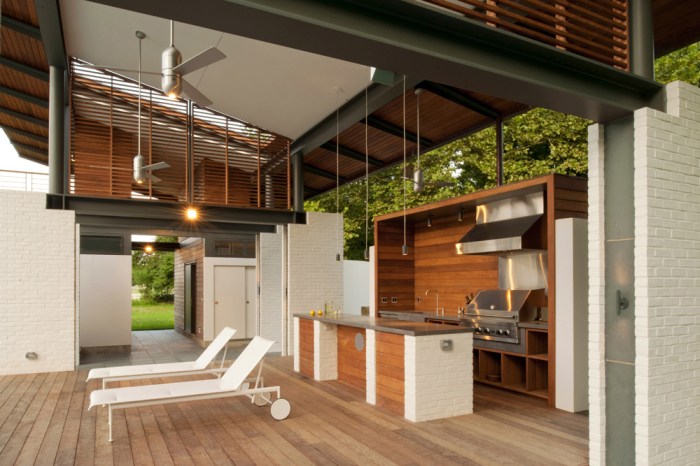
Source: maricamckeel.com
Contemporary outdoor kitchens utilize a range of durable and weather-resistant materials. Stainless steel is a popular choice for appliances and countertops due to its clean look and easy maintenance. Other common materials include concrete, which offers a modern and industrial feel, natural stone like granite or quartz for a luxurious touch, and composite decking for flooring, providing a low-maintenance and stylish surface.
Design Aesthetics: Contemporary vs. Other Styles
Contemporary outdoor kitchens differ significantly from other styles. Rustic designs often incorporate natural wood, stone, and wrought iron, creating a warm and inviting atmosphere. Mediterranean styles utilize terracotta tiles, stucco walls, and arched doorways, evoking a sense of place. In contrast, contemporary kitchens prioritize minimalist design, clean lines, and a focus on functionality, often featuring neutral color palettes and sleek materials.
Comparison of Contemporary Outdoor Kitchen Styles
| Style | Materials | Features | Price Range |
|---|---|---|---|
| Minimalist | Stainless steel, concrete, glass | Clean lines, simple design, integrated appliances | $15,000 – $30,000 |
| Modern Farmhouse | Wood, stone, metal accents | A mix of rustic and modern elements, open shelving, farmhouse sink | $20,000 – $40,000 |
| Industrial | Metal, reclaimed wood, exposed brick | Raw, unfinished look, metal accents, open shelving | $18,000 – $35,000 |
Appliances and Technology in Contemporary Outdoor Kitchens
The integration of smart technology significantly enhances the functionality and convenience of contemporary outdoor kitchens. This allows for remote control and monitoring of appliances, improving efficiency and user experience.
Smart Technology Integration
Smart grills allow for precise temperature control and monitoring via smartphone apps. Automated lighting systems create ambiance and safety, adjusting brightness and color based on time of day or user preference. Smart refrigerators can track inventory and even suggest recipes based on available ingredients. These features contribute to a seamless and user-friendly outdoor cooking experience.
Popular Appliances and Functionality
Beyond smart appliances, high-performance grills (gas, charcoal, or pellet) remain central to most contemporary outdoor kitchens. Outdoor refrigerators provide convenient storage for food and beverages. Pizza ovens and smokers add versatility, allowing for a wider range of culinary options. Built-in ice makers and beverage centers enhance the entertaining experience.
Performance and Energy Efficiency of Outdoor Cooking Appliances
Gas grills generally offer faster heating and more precise temperature control than charcoal grills. Pellet grills provide consistent smoking temperatures, ideal for low-and-slow cooking. Energy efficiency varies depending on the appliance type and features; choosing Energy Star-certified appliances can contribute to sustainability. For example, a well-insulated pizza oven will require less energy to reach and maintain cooking temperature.
Sample Contemporary Outdoor Kitchen Layout with Smart Appliances
Imagine a sleek, linear design. A built-in gas grill sits at one end, adjacent to a smart refrigerator with an integrated ice maker. A pizza oven is positioned to the side, with ample counter space for food prep. Recessed lighting illuminates the cooking area, while ambient lighting provides a warm glow in the evening. A weatherproof outdoor television mounted discreetly completes the space.
Design and Layout Considerations
Careful planning is crucial for creating a functional and aesthetically pleasing outdoor kitchen. The design should complement the existing landscape and home architecture while optimizing workflow and minimizing wasted space.
Incorporating Outdoor Kitchen Designs into the Overall Landscape
The outdoor kitchen should seamlessly integrate with the surrounding landscape. Consider the placement relative to the house, patio, and other outdoor features. Matching materials and design elements can create a cohesive look. For example, a stone patio could extend to the outdoor kitchen, creating a unified outdoor living space. Consider using native plants and landscaping to blend the kitchen naturally into the environment.
Layouts for Different Space Constraints
Small outdoor kitchens can utilize L-shaped or linear designs to maximize space. Medium-sized kitchens offer more flexibility, allowing for island configurations. Large outdoor kitchens can accommodate multiple cooking zones and extensive seating areas. Careful consideration of traffic flow is important regardless of size.
Optimizing Workflow and Functionality
Efficient workflow involves placing appliances and prep areas strategically. For example, the grill should be near the food prep area, and storage should be readily accessible. Consider the placement of sinks and trash receptacles for easy cleanup. A well-planned layout minimizes steps and ensures a smooth cooking process.
Essential Design Elements and Selection Criteria
- Countertops: Durable, weather-resistant materials like stainless steel, granite, or quartz are ideal. Consider stain resistance and ease of cleaning.
- Seating: Choose comfortable and weather-resistant seating options that complement the overall design. Built-in seating or freestanding furniture can be used.
- Storage: Ample storage is essential for keeping the kitchen organized. Built-in cabinets and drawers provide convenient storage for cookware, utensils, and other items.
Sustainability and Eco-Friendly Features
Building a sustainable outdoor kitchen involves making conscious choices about materials, appliances, and water usage. This not only reduces environmental impact but also contributes to long-term cost savings.
Sustainable and Eco-Friendly Materials
Using recycled or reclaimed materials, such as reclaimed wood for cabinetry or countertops made from recycled glass, reduces the environmental impact of construction. Locally sourced materials minimize transportation costs and emissions. Choosing sustainably harvested wood ensures responsible forestry practices.
Energy-Efficient Appliances
Energy Star-certified appliances consume less energy, reducing your carbon footprint and lowering utility bills. Consider appliances with features like automatic shutoff and energy-saving modes. For example, choosing a high-efficiency grill can significantly reduce gas consumption.
Water-Saving Features
Installing low-flow faucets and showerheads reduces water consumption. Consider using drought-tolerant landscaping around the outdoor kitchen to minimize water usage for irrigation. Rainwater harvesting systems can provide a sustainable source of water for irrigation.
Eco-Friendly Practices for Maintaining a Contemporary Outdoor Kitchen

Source: koala.sh
- Regularly clean and maintain appliances to ensure optimal energy efficiency.
- Use eco-friendly cleaning products to minimize chemical runoff.
- Compost food scraps to reduce waste.
- Use energy-efficient lighting.
Lighting and Ambiance
Proper lighting is crucial for creating a welcoming and functional outdoor kitchen. A well-designed lighting plan enhances both the aesthetics and safety of the space.
Lighting Options for Creating a Welcoming Atmosphere
Ambient lighting provides overall illumination, creating a warm and inviting atmosphere. Task lighting focuses on specific areas, such as the cooking surface, ensuring adequate visibility. Accent lighting highlights architectural features or landscaping, adding visual interest. Consider using a combination of these lighting types to create a balanced and functional space.
Integrating Lighting with the Overall Landscape Design
Lighting should complement the overall landscape design. Path lighting guides guests to the outdoor kitchen safely. Uplighting can highlight trees or other landscape features, creating a visually appealing backdrop. The lighting should be integrated seamlessly with the surrounding environment, avoiding harsh or intrusive light.
Lighting Plan for a Contemporary Outdoor Kitchen
Imagine recessed lighting under cabinets for task lighting. String lights draped across the patio create a relaxed ambiance. Path lights lead from the house to the kitchen. Spotlights highlight a nearby water feature or a prominent plant. This combination of lighting types ensures both functionality and visual appeal.
Cost and Budget Considerations

Source: decoist.com
Building a contemporary outdoor kitchen involves a significant investment. Careful planning and budgeting are crucial for managing costs effectively and avoiding overspending.
Breakdown of Typical Costs
Costs vary depending on size, materials, appliances, and labor. Expect to pay for materials (cabinets, countertops, appliances), labor (installation, construction), permits, and landscaping. High-end materials and appliances will significantly increase the overall cost. For example, a high-end grill can cost several thousand dollars alone.
Tips for Managing the Budget Effectively
Create a detailed budget that includes all anticipated expenses. Prioritize essential features and consider cost-effective alternatives for non-essential items. Shop around for the best prices on materials and appliances. Consider DIY projects where possible to save on labor costs. Seek multiple quotes from contractors to compare prices.
Comparing Costs of Different Materials and Appliances
Stainless steel appliances are generally more expensive than other options. High-end countertop materials like granite or quartz are more costly than concrete or laminate. Custom cabinetry is more expensive than pre-fabricated options. Carefully compare prices and features before making purchasing decisions.
Creating a Realistic Budget for a Contemporary Outdoor Kitchen Project
Start by determining your overall budget. Allocate funds for each aspect of the project, including materials, labor, permits, and contingencies. Regularly track expenses and make adjustments as needed. Consider financing options if necessary. Remember to factor in unexpected costs that might arise during the construction process.
Closure
Designing a contemporary outdoor kitchen is an exciting journey that blends functionality with aesthetics. By carefully considering design elements, incorporating smart technology, and prioritizing sustainability, you can create a space that’s both beautiful and practical. Remember to plan your budget effectively, choose durable and stylish materials, and most importantly, have fun with the process! Your dream outdoor kitchen awaits, ready to become the heart of your outdoor entertaining.
General Inquiries
What’s the average lifespan of outdoor kitchen appliances?
The lifespan varies depending on the quality and materials, but with proper maintenance, high-end appliances can last 10-15 years or more.
How much does it cost to install outdoor kitchen lighting?
Lighting costs depend heavily on the type and number of fixtures but expect to spend anywhere from a few hundred to several thousand dollars.
What permits are needed to build an outdoor kitchen?
Permits vary by location. Check with your local building department for specific requirements regarding gas lines, electrical work, and structural elements.
How do I protect my outdoor kitchen from the elements?
Use weather-resistant materials, consider a cover or enclosure during harsh weather, and maintain appliances regularly to prevent damage.
Can I build an outdoor kitchen myself?
While possible for simpler designs, complex builds often require professional help for plumbing, electrical, and gas connections.
Comments are closed.