Contemporary Side Gates Style, Security, and Design

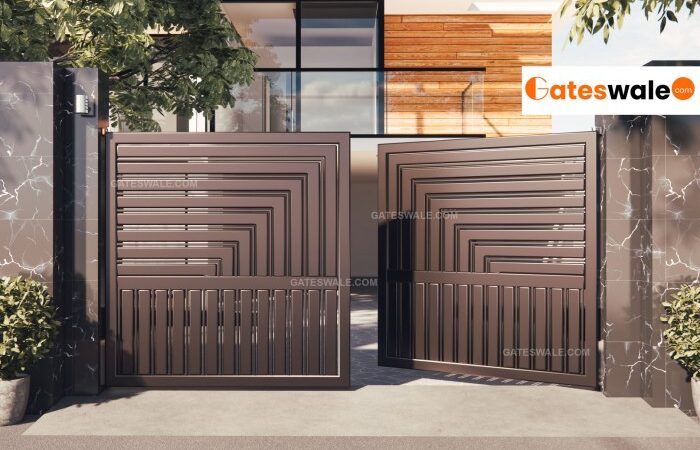
Contemporary side gates are more than just entrances; they’re architectural statements that enhance curb appeal and bolster home security. This guide explores the latest design trends, focusing on materials, functionality, and integration with landscape design. We’ll delve into the diverse world of contemporary side gates, from sleek minimalist designs to rustic charm, covering everything from smart home integration to cost-effective material choices.
We’ll examine the various materials used in their construction – from durable steel and elegant wrought iron to sustainable alternatives – and compare their pros and cons in terms of cost, durability, and aesthetic appeal. We’ll also discuss the importance of security features, exploring different locking mechanisms and access control systems. Finally, we’ll look at how contemporary side gates can seamlessly blend with different architectural styles and landscaping themes, adding a touch of elegance and functionality to your outdoor space.
Design Trends in Contemporary Side Gates
Contemporary side gate design reflects a growing focus on both aesthetics and functionality, blending seamlessly with modern architectural styles while enhancing security and privacy. This section explores key trends shaping the current landscape of side gate design.
Contemporary Side Gate Design Trends
Five prominent trends are currently influencing contemporary side gate design. These trends showcase a move towards minimalist aesthetics, sustainable materials, and enhanced security features.
- Minimalist Designs: Clean lines, simple geometric shapes, and a lack of excessive ornamentation are hallmarks of this trend. Gates often feature a single panel or a few strategically placed panels, maximizing visual impact while minimizing visual clutter.
- Natural Material Integration: The use of natural materials like reclaimed wood, bamboo, and sustainably sourced timber is increasing. These materials add warmth and texture, complementing modern homes with a touch of rustic charm.
- Metal Accents and Combinations: Metal is frequently incorporated, often in combination with other materials. Thin metal frames around wooden panels or metal latticework integrated with glass are popular choices.
- Automated Gate Systems: Convenience and security are driving the adoption of automated gate systems. These systems can be integrated with existing home security systems for enhanced control and peace of mind.
- Privacy-Focused Designs: Solid panels or intricate latticework are increasingly used to provide enhanced privacy, especially in densely populated areas or properties with limited setbacks.
Sustainable Materials in Contemporary Side Gates
The use of sustainable materials in side gate construction is gaining traction as consumers become more environmentally conscious. Reclaimed wood, for example, offers a unique aesthetic while reducing the demand for newly harvested timber. Bamboo, known for its rapid growth and strength, provides a durable and eco-friendly alternative to traditional materials. Recycled aluminum and steel are also gaining popularity, contributing to a circular economy and reducing environmental impact. A striking example would be a side gate crafted from reclaimed railway sleepers, retaining their character while providing a robust and sustainable design. Another example could be a gate using bamboo slats interwoven with a powder-coated aluminum frame, combining the natural aesthetic with the durability of metal.
Metal Types in Contemporary Side Gate Construction
Several metal types are commonly used in contemporary side gate construction, each offering unique advantages and disadvantages.
- Wrought Iron: Known for its strength and intricate detailing capabilities, wrought iron is a classic choice. However, it is relatively expensive and requires regular maintenance to prevent rust.
- Aluminum: Lightweight, corrosion-resistant, and relatively inexpensive, aluminum is a popular choice for contemporary designs. It’s easy to maintain and can be powder-coated in a wide range of colors.
- Steel: Steel offers high strength and durability, making it a suitable choice for larger or more heavily used gates. However, it is susceptible to rust unless properly treated with protective coatings.
Cost-Effectiveness of Materials in Contemporary Side Gates
| Material | Cost | Durability | Aesthetics |
|---|---|---|---|
| Wrought Iron | High | High | Classic, Ornate |
| Aluminum | Medium | Medium-High | Modern, Versatile |
| Steel | Medium-High | High | Modern, Industrial |
| Reclaimed Wood | Medium-High | Medium-High | Rustic, Unique |
| Bamboo | Low-Medium | Medium | Natural, Sustainable |
Functionality and Security Features

Source: gardenpassages.com
Contemporary side gates are more than just aesthetically pleasing additions to a home; they’re crucial components of both security and convenient access. This section delves into the functionality and security features that define modern side gate design, emphasizing the integration of technology and user-friendliness.
Smart home technology is rapidly transforming how we interact with our homes, and side gates are no exception. Integration with existing smart home systems offers unparalleled convenience and security enhancements.
Smart Home Integration
Smart locks allow for remote control, keyless entry via smartphone apps, and integration with other smart home devices. Imagine unlocking your gate remotely while you’re still on your way home, or setting scheduled access times for deliveries. Many systems also provide notifications for gate openings and closings, adding an extra layer of awareness and security. For example, a system like August Smart Lock can be adapted to work with many contemporary side gates, providing keyless entry and remote monitoring capabilities. This integration allows for seamless control of access and enhances overall home security.
Locking Mechanisms and Security Levels
The choice of locking mechanism significantly impacts a side gate’s security. Several options exist, each with varying levels of protection.
- Standard Padlocks: These offer basic security, suitable for low-security applications, but are easily defeated by determined individuals. They are inexpensive but provide minimal protection.
- Deadbolt Locks: More secure than padlocks, deadbolt locks offer improved resistance to forced entry. Their strength and the length of the bolt are crucial factors influencing their security. A longer bolt, coupled with a strong deadbolt mechanism, offers better protection.
- Electronic Keypad Locks: These offer keyless entry using a numerical code, eliminating the need for physical keys and increasing security against theft or loss. More advanced models may incorporate features such as timed access and user codes.
- Smart Locks: These combine the convenience of keyless entry with advanced features such as remote access, auto-locking, and integration with other smart home devices. Their security relies on robust encryption and secure communication protocols.
Choosing the right locking mechanism depends on individual security needs and budget. Higher-security locks offer greater protection but come at a higher cost.
Design Considerations for Ease of Access
Contemporary side gate design should prioritize ease of use for all ages and abilities. This includes careful consideration of gate height, handle design, and opening mechanisms.
- Gate Height: The gate’s height should be appropriate for the intended users, ensuring easy access for both adults and children without being too low to compromise security.
- Handle Design: Handles should be ergonomically designed, easy to grasp, and operate smoothly. Lever-style handles are often preferred for their ease of use, particularly for those with limited mobility or dexterity.
- Opening Mechanisms: The gate’s opening mechanism should be intuitive and easy to operate. Swing gates are commonly used and offer straightforward operation, while sliding gates may require more space.
Careful consideration of these factors ensures that the gate is both secure and accessible to everyone.
Examples of Contemporary Side Gates with Advanced Security Features
Several manufacturers incorporate advanced security features into their contemporary side gate designs. For example, some high-end automated gates integrate biometric scanners for fingerprint or facial recognition access control, providing an extremely secure and convenient entry system. Other examples include gates equipped with infrared sensors to detect intruders and alert homeowners, or those with integrated CCTV cameras for visual monitoring. These advanced systems offer significant security enhancements compared to traditional side gates.
Manufacturing Processes and Materials

Source: thaiupdates.info
Contemporary side gates are crafted using a variety of materials and manufacturing techniques, each offering a unique blend of aesthetics, durability, and security. The choice of material and manufacturing process significantly impacts the final product’s cost, lifespan, and overall appeal. Understanding these factors is crucial for both homeowners choosing a gate and manufacturers designing them.
The manufacturing process for contemporary side gates varies considerably depending on the chosen material. Traditional methods often involve skilled artisans working with hand tools, while modern techniques utilize automated machinery for increased efficiency and precision. This shift reflects broader trends in manufacturing, impacting everything from production time to the final gate’s appearance and cost.
Material Selection and its Impact on Manufacturing
The material selected dictates the manufacturing process. For example, wrought iron gates often involve intricate forging and welding processes, requiring skilled labor and specialized equipment. Aluminum gates, conversely, may be manufactured using extrusion and powder coating techniques, allowing for high-volume production with automated machinery. Wood gates might employ traditional joinery techniques or more modern CNC machining for precise cuts and shaping. Each material presents unique challenges and opportunities in the manufacturing process. Steel gates often involve processes similar to wrought iron but may utilize different alloys and finishing techniques for varying levels of corrosion resistance and aesthetics. Composite materials, offering a blend of properties, often involve molding and lamination techniques.
Traditional Craftsmanship versus Modern Manufacturing
Traditional craftsmanship emphasizes hand-forged details, unique designs, and often a higher degree of customization. This approach often results in visually striking gates but can be more time-consuming and expensive. Modern manufacturing, on the other hand, relies on automated processes, leading to faster production times, consistent quality, and often lower costs. While offering less scope for unique, bespoke designs, modern manufacturing allows for mass production and the incorporation of advanced features like automated locking mechanisms. Many contemporary gates blend these approaches, using modern techniques for efficiency while retaining some hand-crafted elements for aesthetic appeal.
Production Flowchart: Aluminum Side Gate
The following flowchart Illustrates the steps involved in manufacturing a typical aluminum side gate:
- Design and Engineering: Creating CAD drawings and specifying gate dimensions, features (e.g., decorative elements, latch type), and material specifications.
- Aluminum Extrusion: Creating the aluminum profiles (rails, stiles, decorative elements) using extrusion presses. This process shapes molten aluminum into desired shapes.
- Cutting and Machining: Cutting extruded aluminum profiles to precise lengths and machining any required holes or slots for hinges, latches, and other components.
- Assembly: Joining the aluminum profiles using welding or mechanical fasteners (bolts, rivets). This stage may involve the addition of decorative elements.
- Powder Coating: Applying a protective powder coating to enhance durability, corrosion resistance, and aesthetics. This involves electrostatic application and curing in a high-temperature oven.
- Quality Control: Inspecting the finished gate for defects, ensuring adherence to design specifications and quality standards.
- Packaging and Shipping: Preparing the gate for shipping, protecting it from damage during transit.
Material Durability and Maintenance
- Wrought Iron: Highly durable, resistant to damage, but requires regular painting or powder coating to prevent rust. Maintenance involves occasional repainting and cleaning.
- Aluminum: Lightweight, corrosion-resistant, and low maintenance. Typically requires only occasional cleaning.
- Steel: Strong and durable but susceptible to rust if not properly treated (galvanized or powder-coated). Regular inspection and maintenance (painting or repainting) are needed.
- Wood: Aesthetically pleasing but requires regular maintenance, including staining, sealing, and occasional repairs to address weathering and damage. Wood gates are prone to warping and rotting if not properly treated.
- Composite Materials: Often designed for low maintenance, offering a balance of durability and aesthetic appeal. However, specific maintenance instructions vary depending on the composition of the material.
Integration with Landscape Design
Contemporary side gates are more than just functional access points; they’re design elements that can significantly enhance the aesthetic appeal and overall cohesiveness of your landscape. Choosing a gate that complements your home’s architectural style and the surrounding garden theme is crucial for creating a harmonious and visually pleasing exterior. The right gate can subtly elevate your curb appeal, adding a touch of sophistication or a burst of personality, depending on your design preferences.
The successful integration of a contemporary side gate hinges on considering the existing architectural style, the landscaping theme, and the overall color palette. A minimalist modern gate, for example, would look out of place in a traditional Victorian garden, while an ornate wrought-iron gate might clash with a sleek, contemporary home. Careful consideration of these factors ensures a seamless blend of functionality and aesthetics.
Contemporary Gate Styles and Their Landscape Applications
Choosing the right gate style is paramount. Different styles complement different architectural styles and landscaping themes. The following examples illustrate how various gate designs can enhance a property’s curb appeal.
- Minimalist Modern Gate in a Zen Garden: Imagine a sleek, powder-coated aluminum gate with clean lines and a simple latch, set against a backdrop of carefully raked gravel, manicured bamboo, and strategically placed rocks. The gate’s understated elegance complements the garden’s tranquil atmosphere, creating a sense of calm and serenity.
- Rustic Wooden Gate in a Cottage Garden: A weathered, reclaimed wood gate with a slightly distressed finish would be perfect for a cottage garden overflowing with wildflowers and climbing roses. The natural texture and warm tones of the wood blend seamlessly with the rustic charm of the garden, creating a welcoming and inviting entrance.
- Industrial-Style Metal Gate in a Modern Courtyard: A steel gate with a dark, matte finish and geometric patterns would be a striking addition to a contemporary courtyard garden featuring clean lines, concrete planters, and minimalist landscaping. The gate’s industrial aesthetic adds a touch of edgy sophistication to the overall design.
- Wrought Iron Gate in a Formal Garden: An intricately designed wrought iron gate, perhaps with a classic scrollwork pattern, would be appropriate for a formal garden with symmetrical planting and meticulously maintained hedges. The gate’s ornate details add a touch of elegance and sophistication, reflecting the garden’s structured design.
Enhancing Curb Appeal Through Gate Design
The choice of gate material, color, and design significantly impacts a property’s curb appeal. A well-chosen gate can transform a simple entrance into a statement piece, enhancing the overall aesthetic appeal of the home and landscape. Consider these points:
- Material Choice: The material of the gate – wood, metal, composite – significantly influences its aesthetic. Wood offers warmth and natural beauty, while metal provides a modern, sleek look. Composite materials offer durability and low maintenance.
- Color Selection: The gate’s color should complement the house’s exterior and the landscaping. Neutral tones often work best, providing a timeless and versatile look. However, bolder colors can be used strategically to create a focal point.
- Design Details: Intricate detailing, such as decorative latches, hinges, or patterns, can add personality and visual interest to the gate. Simple, clean lines create a minimalist aesthetic, while ornate designs evoke a more traditional style.
Seamless Integration Examples
Consider a home with a contemporary stucco exterior and a minimalist garden design. A sleek, aluminum side gate in a charcoal grey finish would blend seamlessly with the home’s architectural style and the understated landscaping. The gate’s clean lines and muted color would create a sense of harmony and sophistication, complementing the overall aesthetic.
Alternatively, picture a Victorian-style home with a lush, overgrown garden. A wrought iron gate with a dark green patina would enhance the romantic charm of the setting. The gate’s intricate details and aged appearance would complement the garden’s established character, creating a cohesive and visually stunning entrance. The slightly rusted appearance of the gate would blend perfectly with the rich colors of the mature plantings.
Contemporary Side Gate Styles and Aesthetics

Source: gardenpassages.com
Contemporary side gates offer a fantastic opportunity to enhance curb appeal and seamlessly integrate security with modern design. The style you choose significantly impacts the overall look and feel of your property, reflecting your personal taste and architectural style. Careful consideration of materials, finishes, and design elements is crucial for achieving a cohesive and aesthetically pleasing result.
Contemporary Side Gate Styles
Different contemporary styles cater to diverse tastes and architectural preferences. Minimalist designs prioritize clean lines and simple forms, while rustic styles embrace natural materials and textures. Modern gates often incorporate innovative materials and bold geometric shapes.
Visual Representations of Contemporary Side Gate Styles
Let’s imagine three distinct gates:
First, a minimalist gate. This gate is characterized by its stark simplicity. Imagine a sleek, slender frame made of powder-coated aluminum, a dark charcoal grey. The frame is almost invisible, holding a single, solid panel of frosted glass. The overall effect is one of understated elegance and modern sophistication. There are no embellishments, just clean, straight lines, and a subtle, almost transparent presence.
Second, a rustic gate. Picture a gate crafted from reclaimed wood, possibly weathered oak or cedar. The wood planks are wide and slightly uneven, showcasing the natural grain and texture. Iron hinges and a simple latch add to the rustic charm. The wood is a warm, honey-brown color, showing subtle variations in tone, and emphasizing the natural beauty of the material. A slightly distressed finish enhances the aged appearance.
Third, a modern gate. This gate features a bold geometric design. Imagine a combination of sleek, black metal bars arranged in an asymmetrical pattern, creating a visually striking and contemporary feel. The bars are slightly offset, forming a dynamic, almost three-dimensional effect. The overall style is sharp, angular, and undeniably modern. The dark metal contrasts beautifully with any surrounding greenery.
Color, Texture, and Pattern in Contemporary Side Gate Designs, Contemporary side gates
Color choices significantly impact the overall aesthetic. Neutral tones like greys, blacks, and browns are popular for their versatility and timeless appeal. Brighter colors can be used as accents or to create a more striking focal point. Texture adds depth and visual interest. The smooth surface of powder-coated aluminum contrasts sharply with the rough texture of reclaimed wood, offering a wide range of aesthetic possibilities. Patterns, while less common in contemporary designs, can be subtly incorporated through the arrangement of metal bars or the grain of the wood. For example, the arrangement of the metal bars in the modern gate design creates a subtle yet visually engaging pattern.
Impact of Different Gate Finishes
The choice of finish greatly influences the gate’s appearance and durability. Powder coating provides a durable, weather-resistant finish available in a wide array of colors. It creates a smooth, even surface that’s easy to clean and maintain. Painting, while offering similar color options, might require more frequent maintenance to prevent chipping or fading. A natural wood finish, while beautiful, necessitates regular treatments to protect the wood from the elements. The choice ultimately depends on the desired aesthetic and level of maintenance one is willing to undertake.
Final Thoughts

Source: gateswale.com
Choosing the right contemporary side gate involves balancing aesthetics, functionality, and security. By considering the latest design trends, material options, and smart home integration possibilities, you can select a gate that not only enhances your property’s curb appeal but also provides peace of mind. Remember to factor in your budget, desired level of security, and the overall style of your home and landscape when making your decision. The perfect contemporary side gate awaits – a blend of form and function that perfectly complements your outdoor haven.
Top FAQs
What’s the average lifespan of a contemporary side gate?
The lifespan varies greatly depending on the material. Steel and aluminum gates, with proper maintenance, can last for decades. Wrought iron, while beautiful, may require more frequent maintenance.
How much does professional installation typically cost?
Installation costs depend on factors like gate size, complexity, and location. Expect to pay anywhere from a few hundred to several thousand dollars.
Are there any specific building codes or permits required for installing a side gate?
Yes, local building codes and regulations vary. Check with your local authorities before purchasing and installing a gate to ensure compliance.
Can I install a contemporary side gate myself?
While possible for some simpler designs, professional installation is often recommended, especially for complex gates or those requiring specialized security features.
What maintenance is required for different gate materials?
Regular cleaning is essential for all materials. Steel and aluminum may need occasional repainting or powder coating touch-ups. Wrought iron may require rust prevention treatment.
Comments are closed.